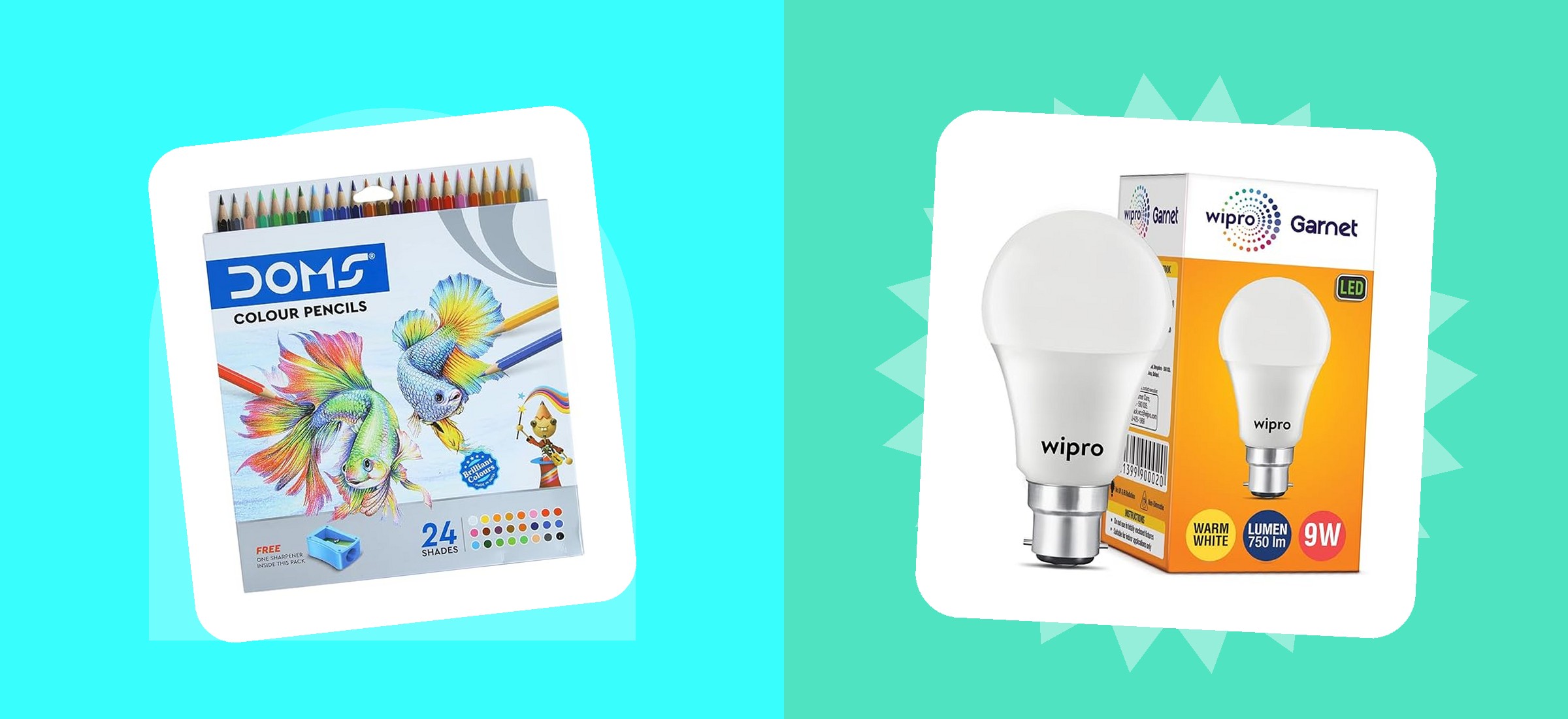
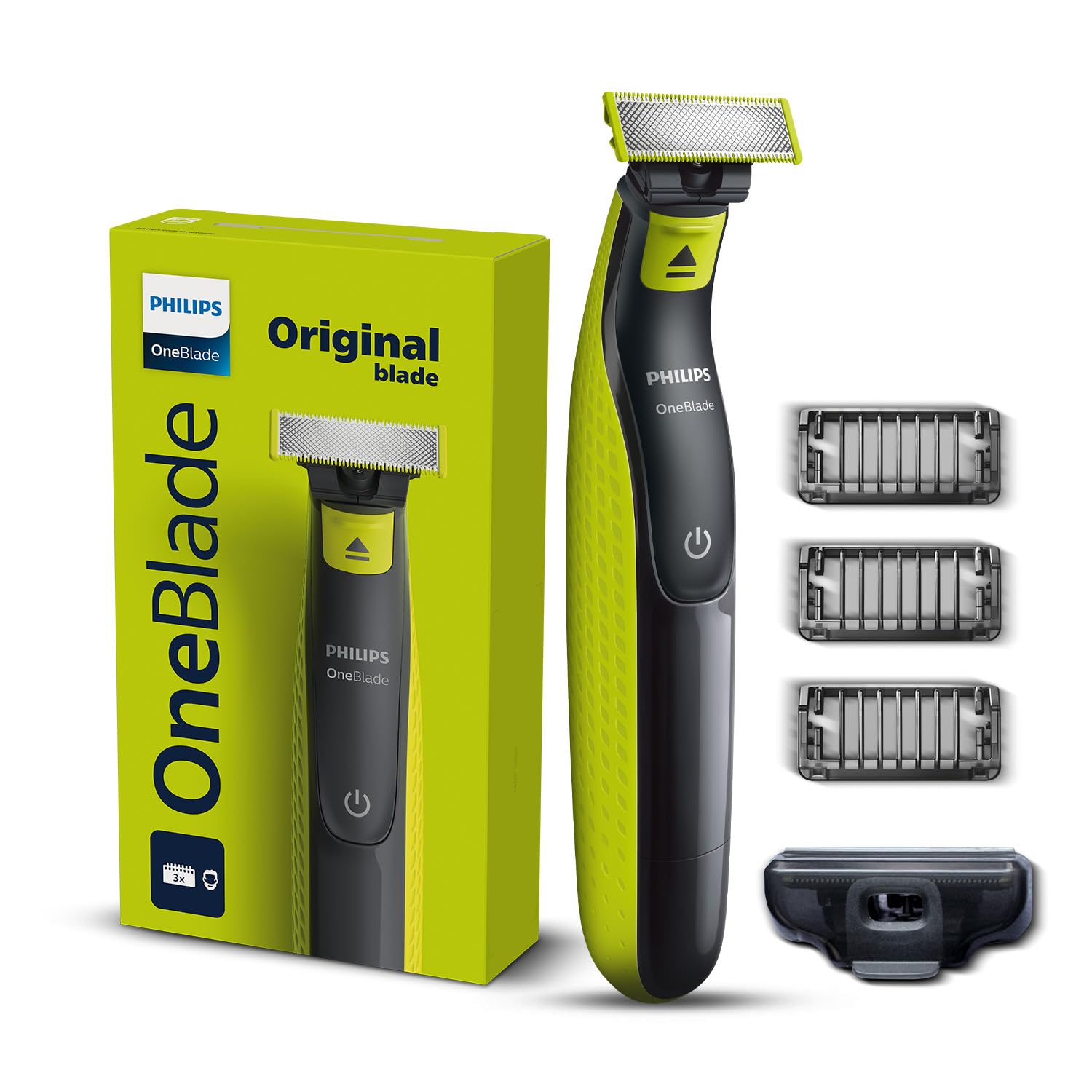
![A colour pencil pack and an LED bulb from two of the three Amazon shelves read for this page, in their own listing photographs, used to illustrate a guide to Amazon discount badges]()
We read three unrelated Amazon aisles on 17 October 2026 — 70 LED bulb and batten listings, 87 school stationery listings and 33 hand cream and body lotion listings, logged out, from India, with nothing bought — and asked one question of all 190: what is the discount badge actually measuring?
It measures the seller's claim, and the direction is the opposite of what most people assume. The 69 tiles badged 70% or deeper had a median price of Rs. 190 and a stated MRP 4.23 times their selling price. The 42 badged 30% or shallower had a median price of Rs. 299 at 1.17 times. Deeper badges sit on cheaper goods with bigger claims.
Two more things below: 20 of the 33 beauty tiles priced at an exact fraction of their stated MRP while the other two shelves managed one each, and the neat idea that deep badges come with thin review counts did not survive the full 190. We report the version that failed.
What an Amazon discount badge measures
190 listings across three shelves, all read 17 October 2026
Badged 70%+: median Rs. 190, stated MRP 4.23x price · badged 30% or less: median Rs. 299, 1.17x
📅 Update log:
17 October 2026 — First publication. Three amazon.in shelves read the same morning via search results, logged out, from India, with nothing purchased and Amazon not contacted: 70 LED bulb and batten listings ('led bulb 9w', 'led tubelight 20w', 'led bulb pack of 4'), 87 school stationery listings ('geometry box', 'sketch pens set', 'colour pencils 24') and 33 hand cream and body lotion listings ('body lotion 400ml', 'hand cream') - 190 in total. Recorded this read: badge ranges of 5-91% (median 64%), 1-99% (median 52%) and 10-85% (median 50%) on the three shelves respectively; stated-MRP multiples of 1.06-11.59x (median 2.76x), 1.01-100x (median 2.07x) and 1.11-6.67x (median 2.00x); 20 of 33 beauty tiles priced at an exact fraction of their stated MRP against one tile each on the other two shelves; 187 of the 190 listings publishing a star average and a rating count; and across all 190, the 69 tiles badged 70% or deeper carrying a median price of Rs. 190, a median multiple of 4.23x and a median rating count of 627 against Rs. 299, 1.17x and 378 for the 42 tiles badged 30% or shallower. One tile - a Rs. 170 geometry box stating exactly Rs. 17,000 - is excluded from every figure as a probable decimal error and is named. Nothing was bought, opened or tested.
Three Amazon shelves, one morning, 190 listings
We read three unrelated Amazon aisles on 17 October 2026 — 70 LED bulb and batten listings, 87 school stationery listings and 33 hand cream and body lotion listings, logged out, from India, with nothing bought — and asked one question of all 190: what does the discount badge actually tell a shopper?
The short answer: it tells you how big the seller's claim is, not how much you are saving. The 69 tiles badged 70% or deeper had a median price of Rs. 190; the 42 badged 30% or shallower had a median of Rs. 299. Deep-badge tiles are the cheaper things on the shelf, and their stated list prices sit 4.23 times above what they charge against 1.17 times for the shallow ones.
Three shelves also behave differently enough that a habit built on one of them will mislead you on the next. Here is what each looked like.
Across 190 Amazon listings, 17 October 2026: tiles badged 70%+ had a median price of Rs. 190 and a median stated MRP 4.23x their price. Tiles badged 30% or less: Rs. 299 and 1.17x. The deeper badge is on the cheaper item with the bigger claim.
The three shelves, side by side
| Shelf | Listings | Badge range (median) | Stated MRP as a multiple of price | Tiles priced at an exact fraction of MRP | Listings publishing a rating |
|---|
| LED bulbs and battens | 70 | 5% to 91% (median 64%) | 1.06x to 11.59x (median 2.76x) | 1 of 70 | 70 of 70 |
| School stationery | 87 | 1% to 99% (median 52%) | 1.01x to 100x (median 2.07x) | 1 of 87 | 84 of 87 |
| Hand cream and body lotion | 33 | 10% to 85% (median 50%) | 1.11x to 6.67x (median 2.00x) | 20 of 33 | 33 of 33 |
The exact-fraction column is the one that surprised us. On the beauty shelf, 20 of 33 tiles priced at an exact fraction of their stated MRP — eleven at MRP times 0.3 (badged 70%) and nine at exactly half (badged 50%). On the bulb shelf and the stationery shelf, one tile each did that. Formula pricing is real, common, and completely shelf-dependent.
The stationery shelf carries the widest claim range, from 1.01x to 100x. That 100x is a single Rs. 170 geometry box stating Rs. 17,000, which reads as a misplaced decimal rather than a price history; it is excluded from every figure on this page and named here rather than dropped silently. An exact 100x multiple on a cheap item is the clearest data-error signal on any shelf.
Evidence coverage is near-total on all three. 187 of the 190 listings published a star average and a rating count, which is not true of every retailer — on two fashion shelves we read the same morning, one published none at all across 190 listings.
Deep badges against shallow badges, across all 190
| Group | Listings | Median price | Median stated MRP multiple | Median rating count |
|---|
| Badged 70% or deeper | 69 | Rs. 190 | 4.23x | 627 |
| Badged 30% or shallower | 42 | Rs. 299 | 1.17x | 378 |
Read the third and fourth columns together. The deeply badged group is Rs. 109 cheaper at the median and its claimed list price is 3.6 times further from its selling price. Both facts have the same cause: these are low-priced goods from sellers who print large list prices. The badge is measuring the gap between two numbers the seller chose, and one of those numbers is unverifiable.
And here is the claim that did not survive. Within individual shelves it looked as though deep badges sat on thin evidence — the stationery shelf had an 81% badge with seven ratings behind it. Across all 190 listings that reverses: median rating count 627 for the deep group against 378 for the shallow one. We are reporting the version that failed rather than the neater one, because a rule that only works on the shelf it was invented on is not a rule. Use the rating count to judge a product, not to catch a badge.
Four checks that worked on all three shelves
One: hold the spec still before comparing anything. On the bulb shelf, seven plain single 9-watt bulbs sold from Rs. 42 to Rs. 142 — same wattage, same cap, 3.4 times apart. A price is only information once the wattage, the shade count or the millilitres are fixed. Most apparent bargains are category differences in disguise.
Two: divide the pack before you believe either number. A six-bulb pack in this read sold at Rs. 505, which is Rs. 84.17 a bulb against a stated Rs. 500 a bulb, and its 83% badge was computed on the pack. Multipacks are the one place where both printed figures need dividing before they mean anything.
Three: divide the stated MRP by the price. About 1.2x means the two printed numbers nearly agree. Above 4x the badge is being produced by the claim. An exact multiple — precisely 2x, precisely 10x, precisely 100x — is either a pricing formula or an error, and on this read it was both, on different shelves.
Four: read the rating count, and read what it is attached to. It is the only figure on a tile that does not come from the seller, and 187 of these 190 listings carried one. On other retailers' shelves that number is sometimes absent entirely, and on some it is shared across several near-identical listings — so check whether the same count appears on more than one tile before treating it as independent evidence. This page read prices on one morning; nobody here bought, opened or tested anything.
Frequently Asked Questions
Does a bigger discount on Amazon mean a bigger saving?
Not in this read, and the direction is the opposite of what you would expect. Across 190 listings on three unrelated Amazon shelves on 17 October 2026, the 69 tiles badged 70% or deeper had a median price of Rs. 190 while the 42 badged 30% or shallower had a median of Rs. 299. The deep-badge group is cheaper, but it is cheaper because it is cheaper stuff — its median stated MRP sits 4.23 times above its selling price, against 1.17 times for the shallow group. A deeper badge marks a bigger claim, not a bigger saving.
How do I check if an Amazon discount is real?
Divide, do not read. Take the stated MRP and divide it by the selling price. In this read the shallow-badge tiles came back at about 1.17x and the deep-badge tiles at about 4.23x, with one tile at exactly 100x. A multiple close to 1 means the two printed numbers nearly agree; a multiple of 4 or more means the badge is being produced by the size of the claim. A round multiple - exactly 2x, exactly 10x, exactly 100x - is worth extra suspicion: on the beauty shelf here, 20 of 33 tiles priced at an exact fraction of their stated MRP, which is a pricing rule rather than a markdown.
Why are so many Amazon listings exactly 70% or 50% off?
Because on some shelves the price is set as a fixed fraction of the stated MRP. In this read the hand cream and body lotion shelf had eleven tiles at exactly 70% whose price was the stated MRP times 0.3 to the rupee, and nine at exactly 50% whose stated MRP was exactly twice the price — 20 of 33 listings on two round numbers. The bulb and stationery shelves had one such tile each. So formula pricing is real but shelf-specific: you cannot tell from a badge alone whether you are looking at a markdown or at arithmetic, which is why dividing is worth the five seconds.
Do deeply discounted Amazon listings have fewer reviews?
Not reliably, and we are reporting this because it cuts against the tidier story. Looking at single shelves it appeared that the deepest badges sat on the thinnest evidence — on the stationery shelf, an 81% badge carried seven ratings. But across all 190 listings the pattern does not hold: the median rating count is 627 for the 70%-plus group and 378 for the 30%-or-less group, which is the wrong way round for that claim. Use the rating count as evidence about a product, not as a lie detector for a badge.
What should I actually check before buying on Amazon?
Four things, in order. One: hold the spec still. On the bulb shelf a plain 9-watt bulb sold anywhere from Rs. 42 to Rs. 142, so a price only means something once the wattage, size or shade count is fixed. Two: divide the pack. A six-bulb pack at Rs. 505 is Rs. 84 a bulb, and its badge is computed on the pack. Three: divide the MRP by the price and treat anything above about 4x, or any round multiple, as a claim rather than a saving. Four: read the rating count, which is the one figure on the tile that does not come from the seller — 187 of the 190 listings here published one.
Prices & codes last verified: October 17, 2026
Zoutons may earn a commission when you buy through links on this page. Every price, stated MRP, discount badge, star average and rating count here was read on 17 October 2026 from amazon.in's own search results across three shelves - LED bulbs and battens (70 listings), school stationery (87) and hand cream and body lotion (33) - logged out, from India, with nothing purchased and Amazon not contacted. Amazon's search is personalised and reordered continuously; these 190 listings are one morning's output and are not Amazon's catalogue, and every median, range, count and comparison here describes only the listings read. The three samples are of different sizes and that is stated beside every shelf-level figure. The multiples, medians and group comparisons are our own arithmetic over the figures Amazon printed, and the method is shown on the page so it can be checked. One listing - a Rs. 170 geometry box stating exactly Rs. 17,000 - is excluded from every figure as a probable decimal error on the tile, and is named rather than dropped silently. Otherwise, stated MRPs are the sellers' own figures, reproduced as printed, and this page does NOT assert that any of them is false, inflated or fabricated, or that any product has or has not sold at its stated MRP - we have no evidence either way. THIS PAGE IS A PRICE READ: it makes no claim about the quality, performance, durability, ingredients or safety of any product on any of the three shelves, and no claim that any seller has acted improperly. We did not buy, open, fit, apply or test anything. Prices change without notice and can differ at checkout after coupons, bank offers or delivery charges; the price shown at your checkout prevails over anything here.









 Booking com
  Hostinger
  Dell
Dell  Udemy
Udemy  Agoda
Agoda  Nykaa
Nykaa  Myntra
  Ajio
Ajio