Amazon Crayon Price October 2026: Rs. 3.04 to Rs. 43.42 a Shade
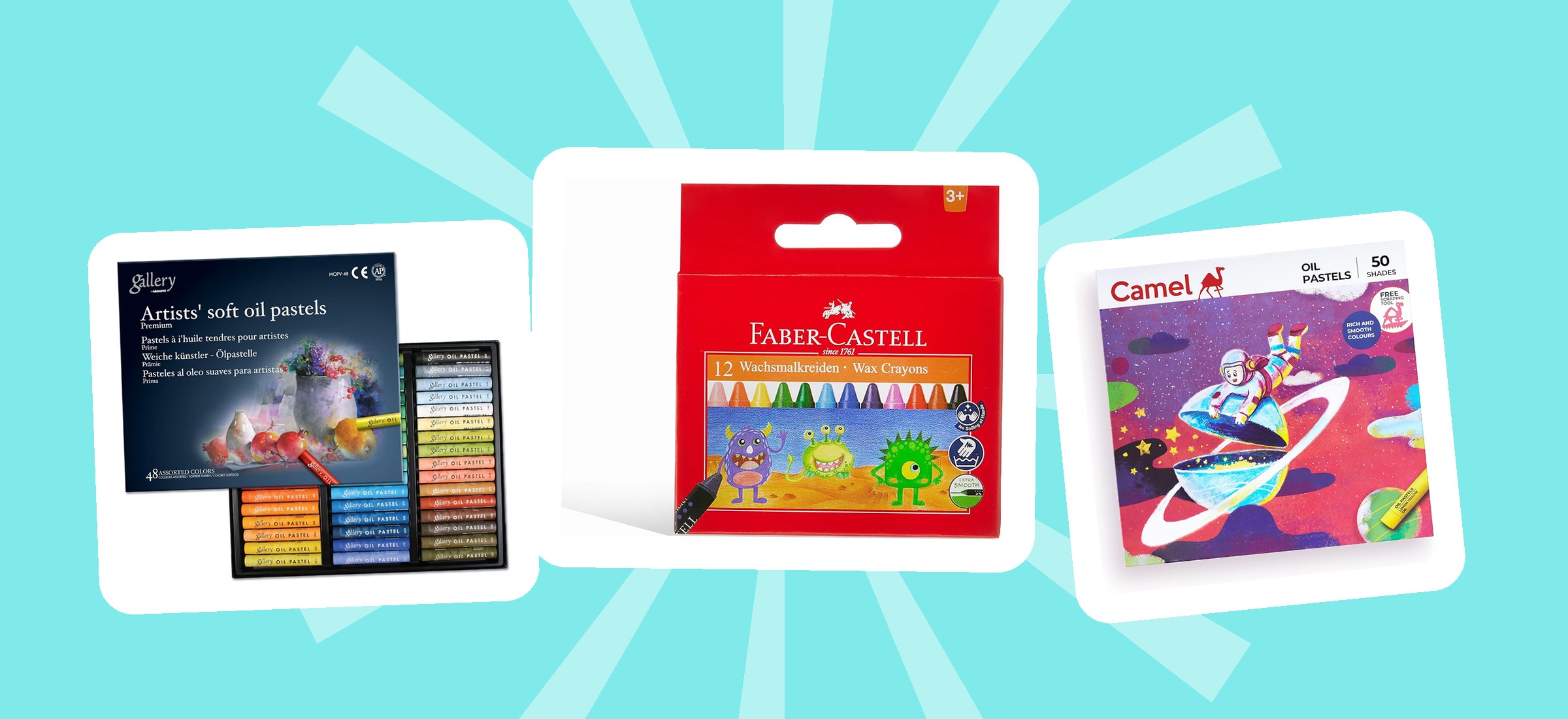
Sixty-one crayon listings read on 15 October. Divide each by the shades in its own title and the shelf splits in two, with a 6.3x step and nothing inside it.
A crayon is a crayon, which makes this a clean test of whether a search grid helps you buy. Across the 61 listings Amazon returned on 15 October, the price per shade runs from Rs. 3.04 to Rs. 43.42 — and the shelf is really two shelves sharing one search box. Seventeen school-stationery listings sit between Rs. 3.04 and Rs. 6.12 a shade; four artist-grade sets sit between Rs. 38.71 and Rs. 43.42. Nothing falls in the gap. And bulk does not pay: Doms, Camlin and Faber-Castell each sell a bigger box that costs more per colour than their own smaller one.
Every price below was pulled from Amazon on October 15, 2026 and checked against the MRP on the listing. Stack them with the live codes on our Amazon coupons page, which the deals desk re-verifies daily.
Jump to a pick
- Cheapest per shade — Doms 28, cheapest a shade
- Best-evidenced big box — Camlin Kokuyo 50
- Cheapest box outright — Faber-Castell 12
- Two free glitters — Camel 24 + 2 glitter
- 28 shades, Rs. 95 — Apsara 28
- Lowest star average — YOUVA Navneet 50
- Shared rating pool — Faber-Castell 25
- 25 shades, Rs. 88 — Camlin Camel 25
- Thinnest sample in the band — Camel Kokuyo 12
- 26 shades, Rs. 98 — Apsara oil pastel 26
- The bigger box, dearer — Camlin Kokuyo 50 (2nd)
- Odd shade count — Luxor Crayola 13
- Doms' bigger box — Doms 50 oil pastel
- Small tin, mid price — Doms 14
- Jumbo barrels — Apsara Jumbo 14
- Dearest school-band shade bar one — Faber-Castell 50
- Top of the school band — FLAIR 24 triangular
- Where the artist shelf starts — Mungyo 24
- 36 colours, Rs. 1,489 — Mungyo 36
- Dearest box in the read — Mungyo 48, Rs. 2,049
- Dearest per shade — Mungyo 12, dearest a shade
21 Boxes, Rs. 40 to Rs. 2,049, Worked Out at Rs. 3.04 to Rs. 43.42 a Shade
Rs. 3.04 To Rs. 4.40 A Shade: The School Aisle, Priced Like A Commodity
Sixteen listings from eight stationery houses inside Rs. 1.36 a shade of each other - and three brands whose bigger box costs more per colour than their own smaller one.
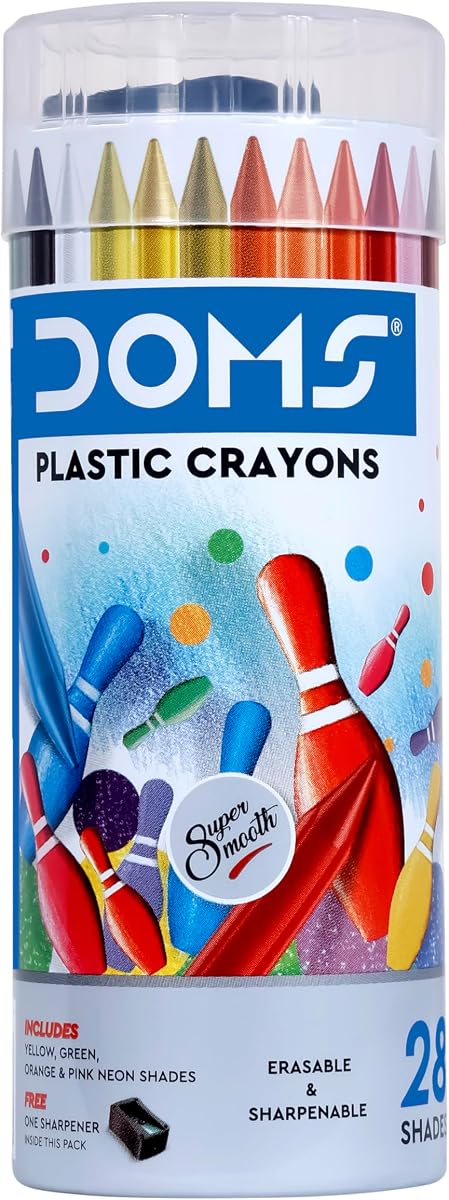
Doms 28 Shades Erasable Plastic Crayons Round Tin Box | Smooth & Even Shading | Bright & P
Rs. 3.04 a shade, 28 shades for Rs. 85
Why it earned its spot the lowest price per shade in the read, from a 28-shade tin that is not the biggest box on the shelf
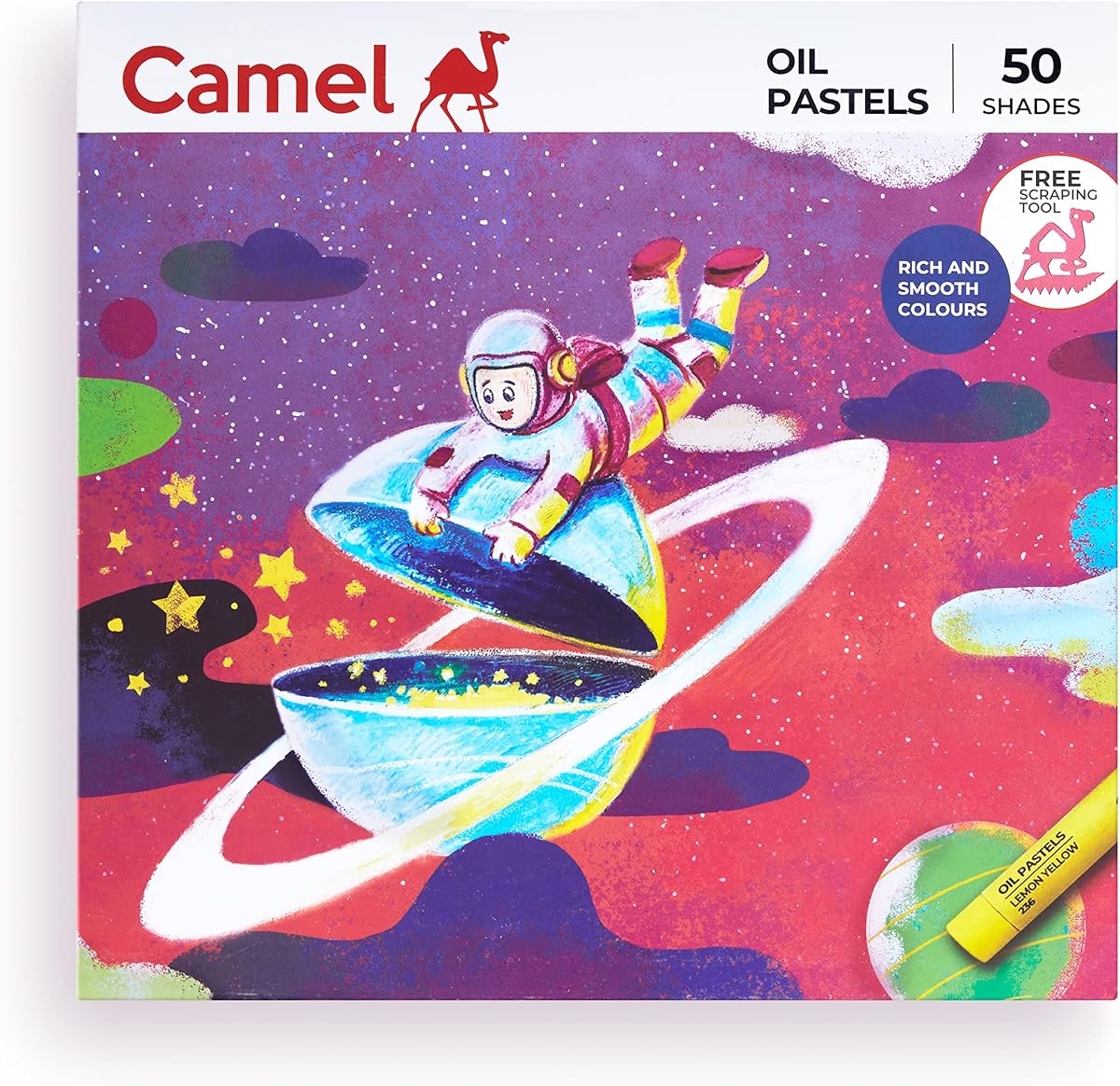
Camlin Kokuyo Oil Pastel (50 Shades)
50 shades for Rs. 156
Why it earned its spot fifty shades at Rs. 3.12 each with a 5,276-rating sample, the cheapest large box in the read
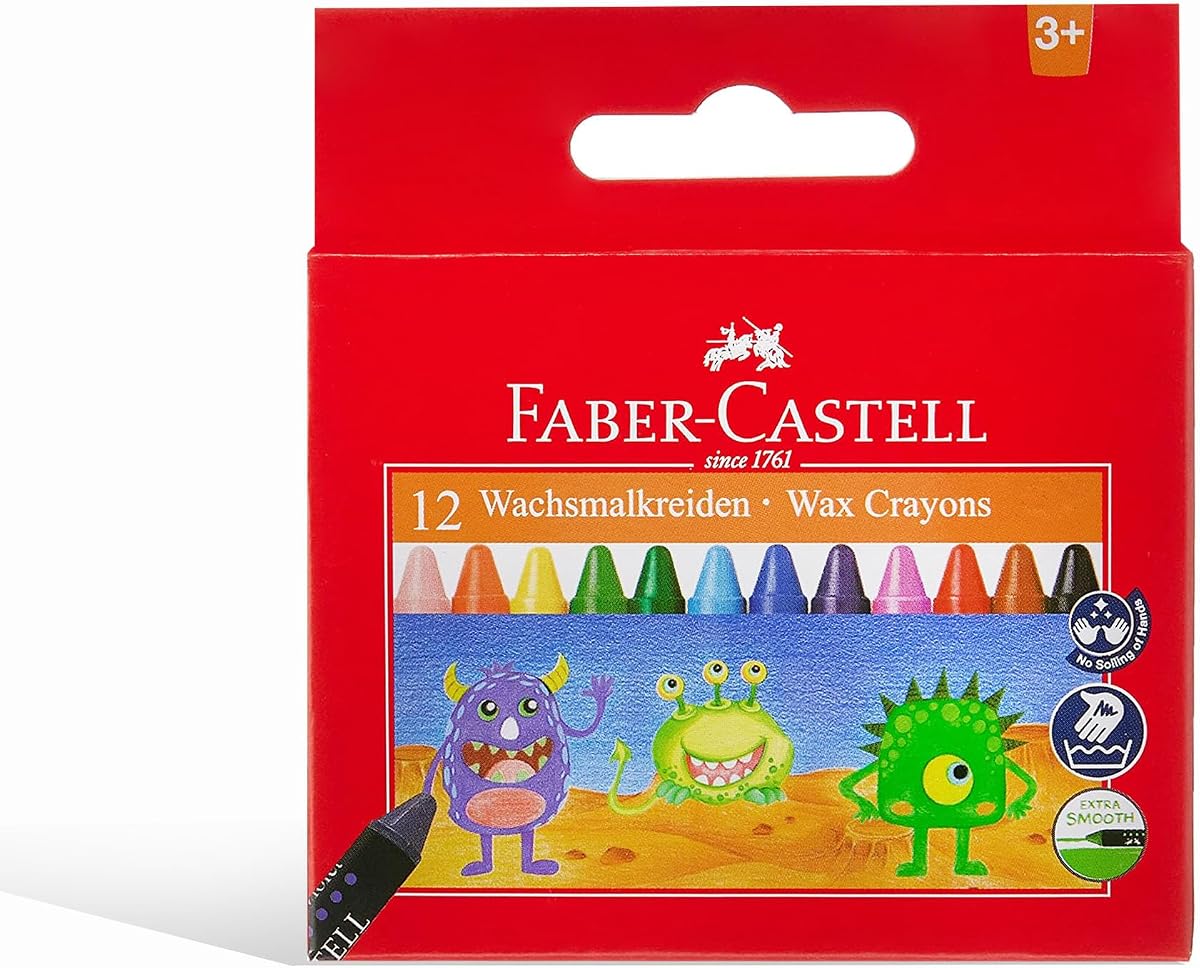
Faber Castell Wax Crayon Set - 75mm, Pack of 12 (Assorted)
Rs. 40 for 12 wax crayons
Why it earned its spot the lowest sticker price in the read at Rs. 40, and still a competitive Rs. 3.33 a shade
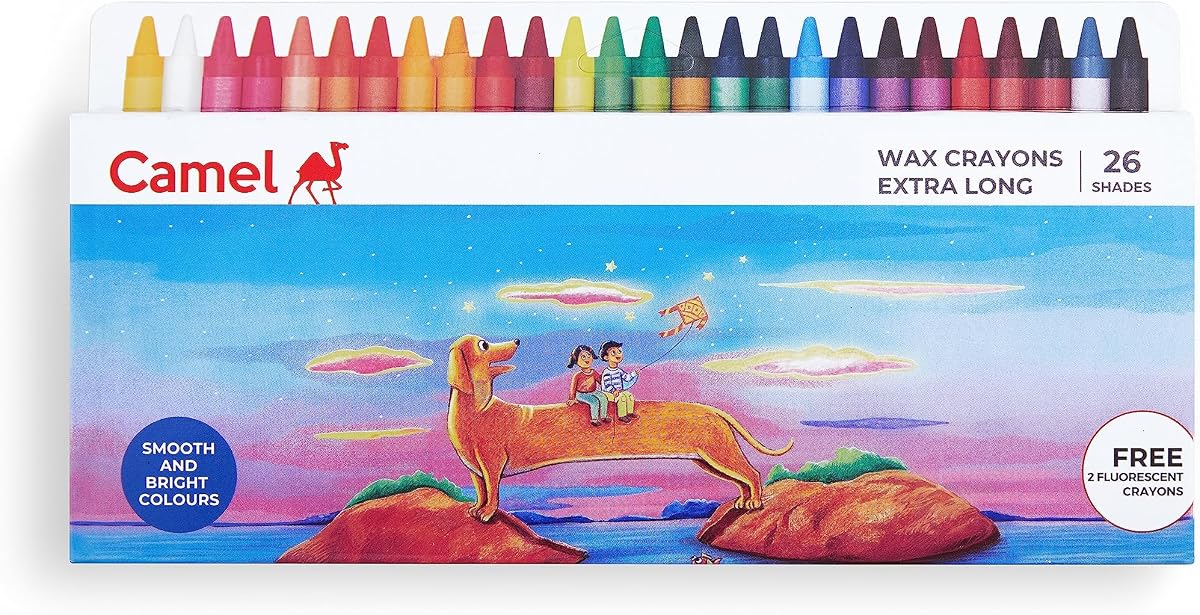
Camel Wax Crayons – 24 Shades + 2 Glitter | Pack of 1 | Smooth & Break-Resistant | Extra-T
24 shades plus 2 glitter, Rs. 80
Why it earned its spot 24 shades at Rs. 3.33 each with two glitter shades the title says are included on top
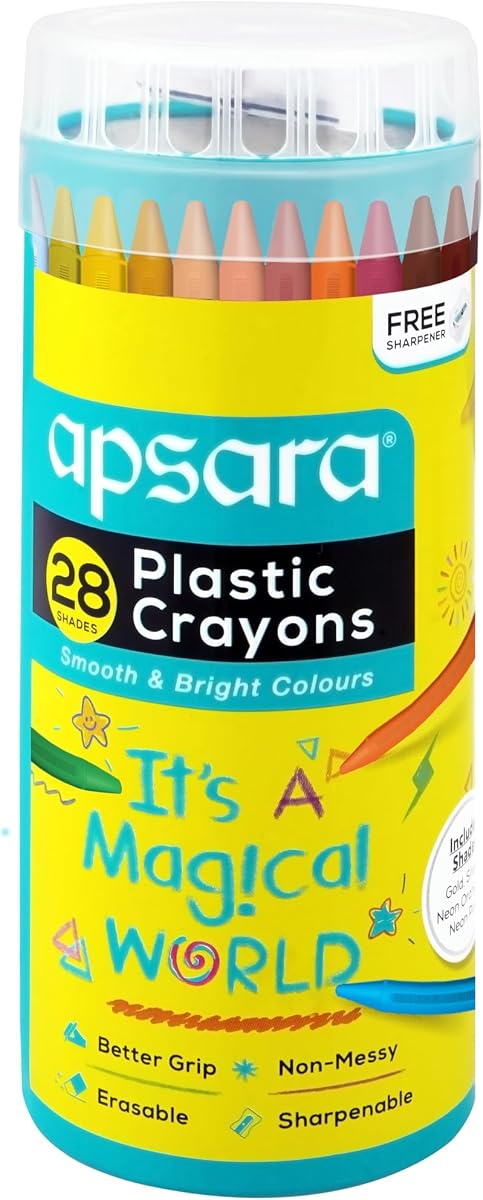
Apsara Plastic Crayons-28 Shades,Smooth & Bright Colours,Better Grip,Non-Messy,Erasable,Sh
Rs. 3.39 a shade
Why it earned its spot a third 28-shade tin, priced within 35 paise a shade of the cheapest
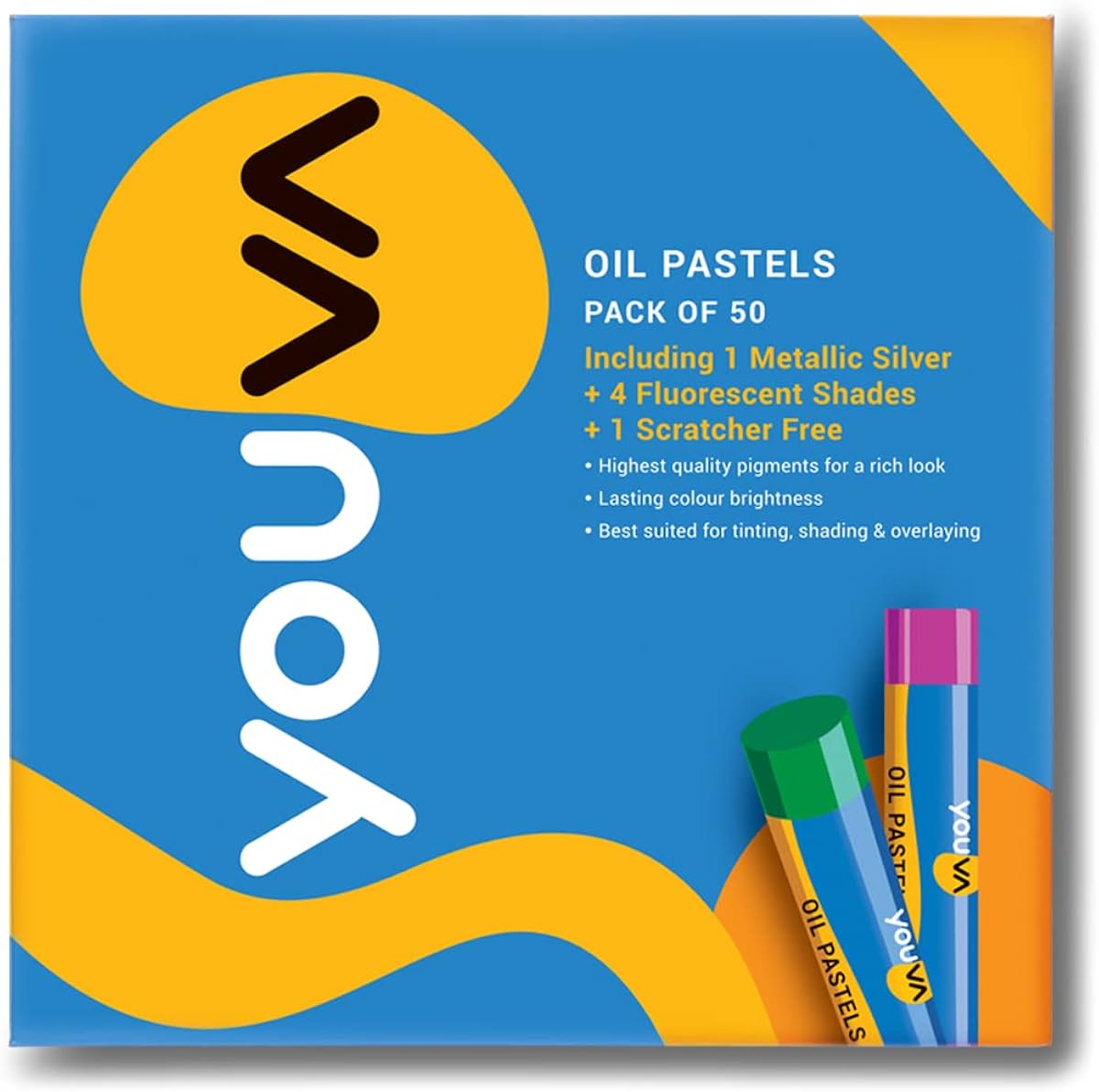
YOUVA Navneet Oil Pastels Set | 50 Vibrant Shades | Smooth & Blendable Colors | Pack of 50
50 shades, Rs. 170, 3.7 stars
Why it earned its spot a 50-shade set at Rs. 3.40 a shade carrying the lowest published average in the read
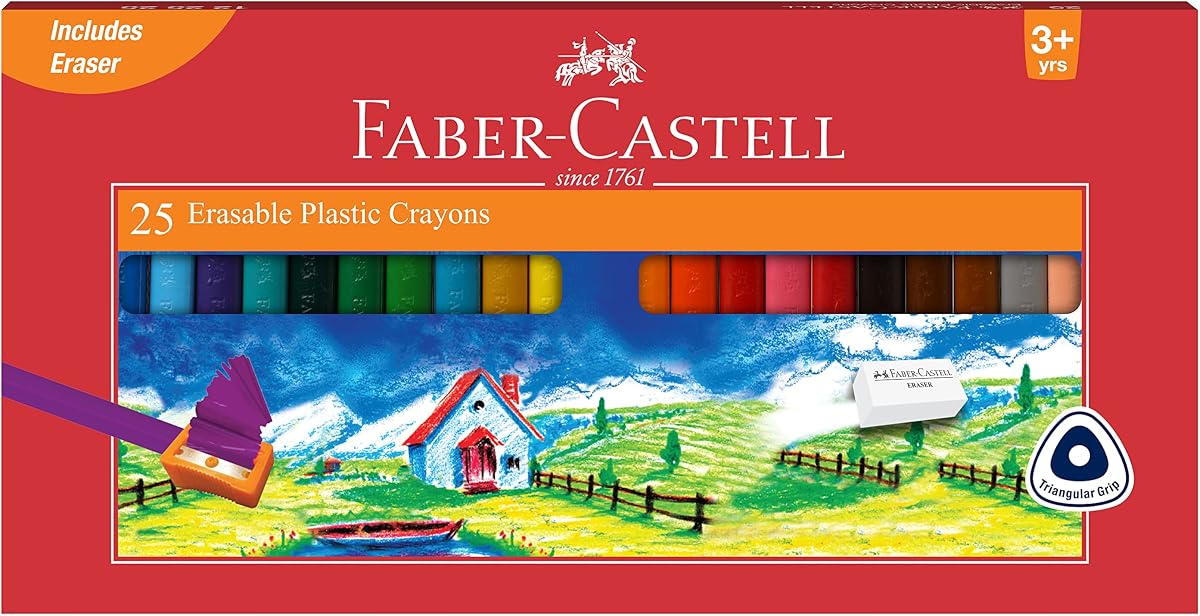
Faber-Castell Erasable Plastic Crayon Set - 70mm, Pack of 25 (Assorted)
25 shades, Rs. 86, 1,991 ratings
Why it earned its spot 4.4 stars from 1,991 ratings — a pool this brand displays on more than one crayon listing
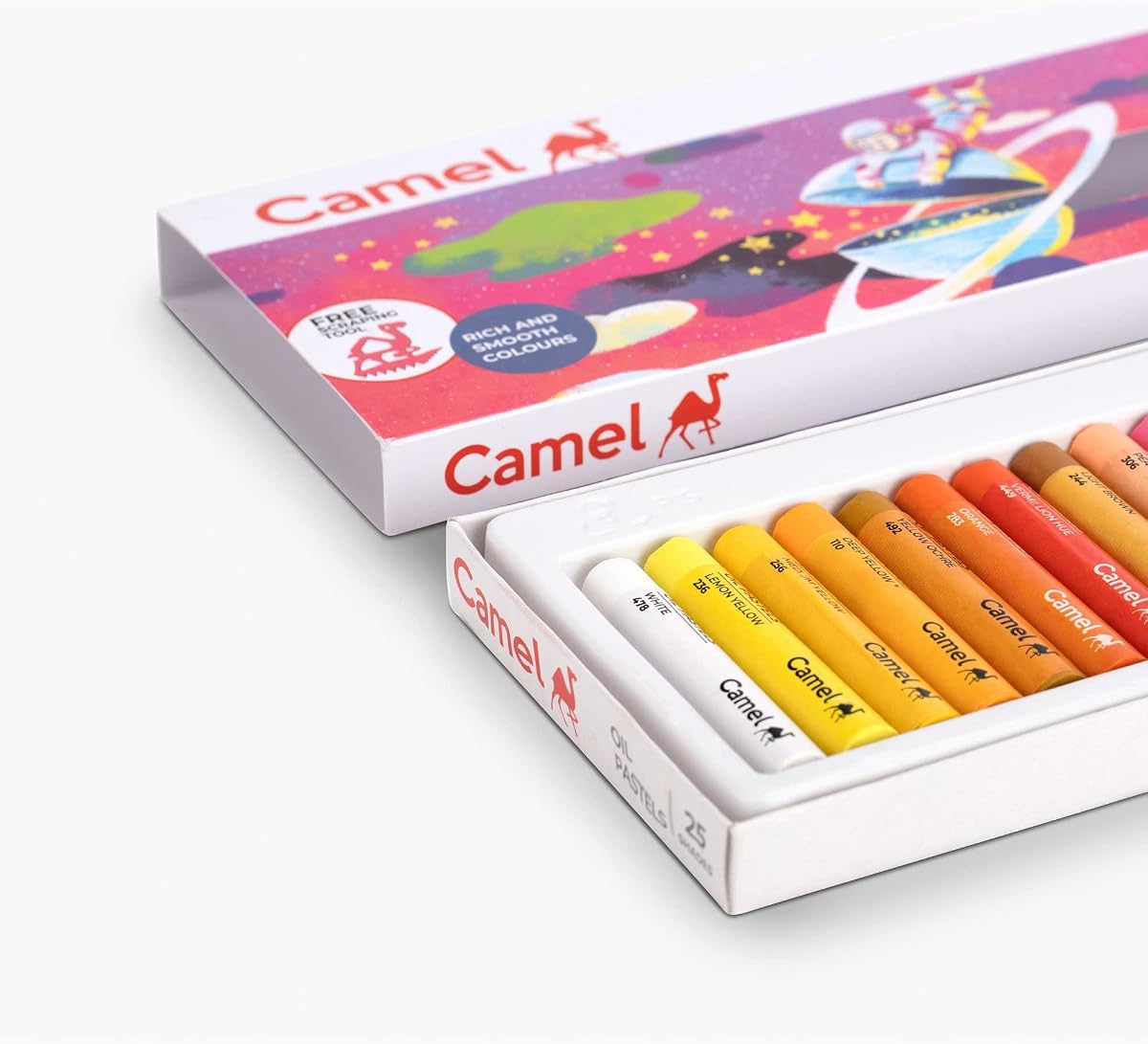
Camlin Camel Oil Pastels 25 Shades.
Rs. 3.52 a shade
Why it earned its spot the smaller Camlin set, which costs less per shade than its own 50-shade sibling
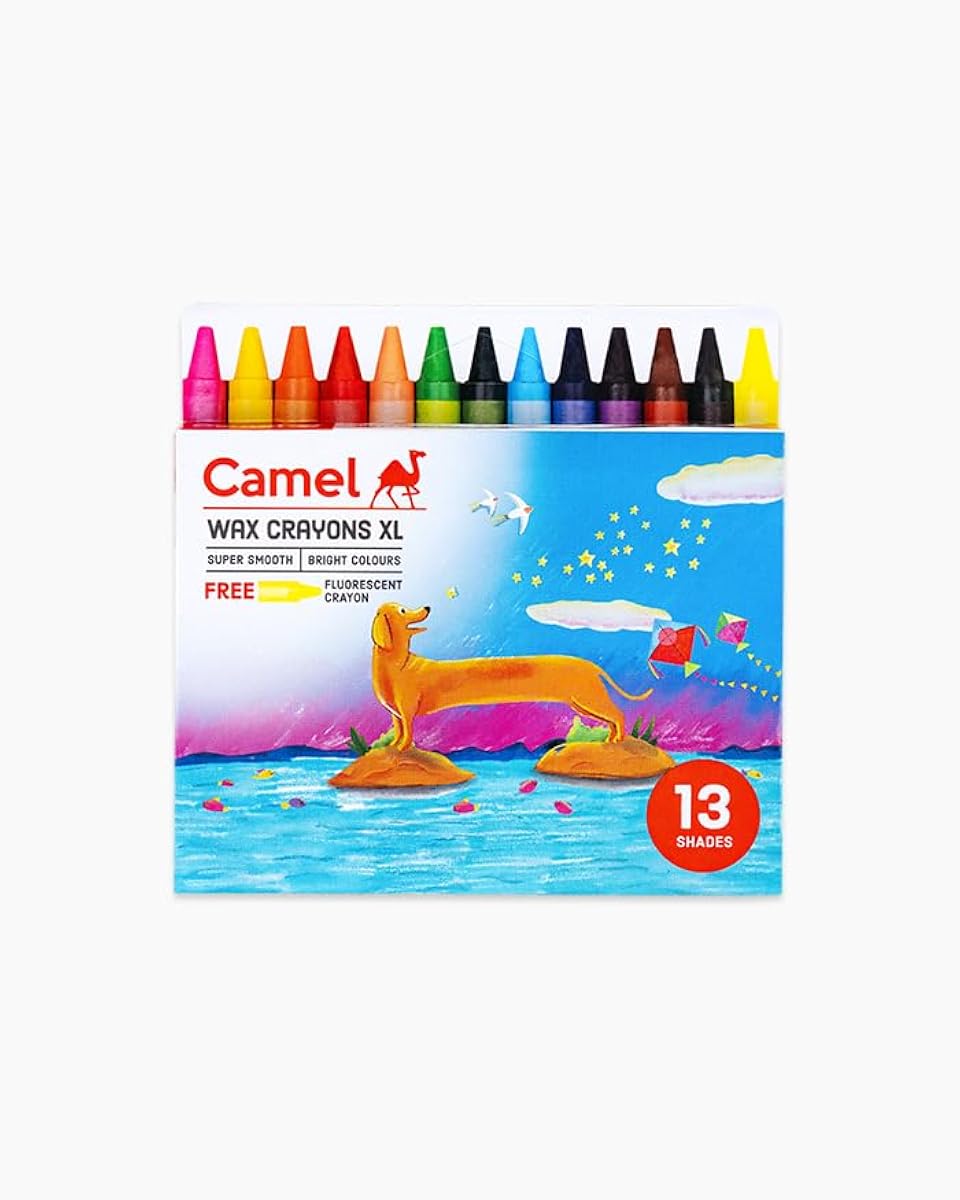
Camel Kokuyo Extra Long Wax Crayons – 12 Shades with Gold & Silver | Pack of 1 | Smooth, V
12 shades, Rs. 43, 35 ratings
Why it earned its spot a 12-shade box at Rs. 3.58 a shade whose 4.3-star average rests on only 35 ratings
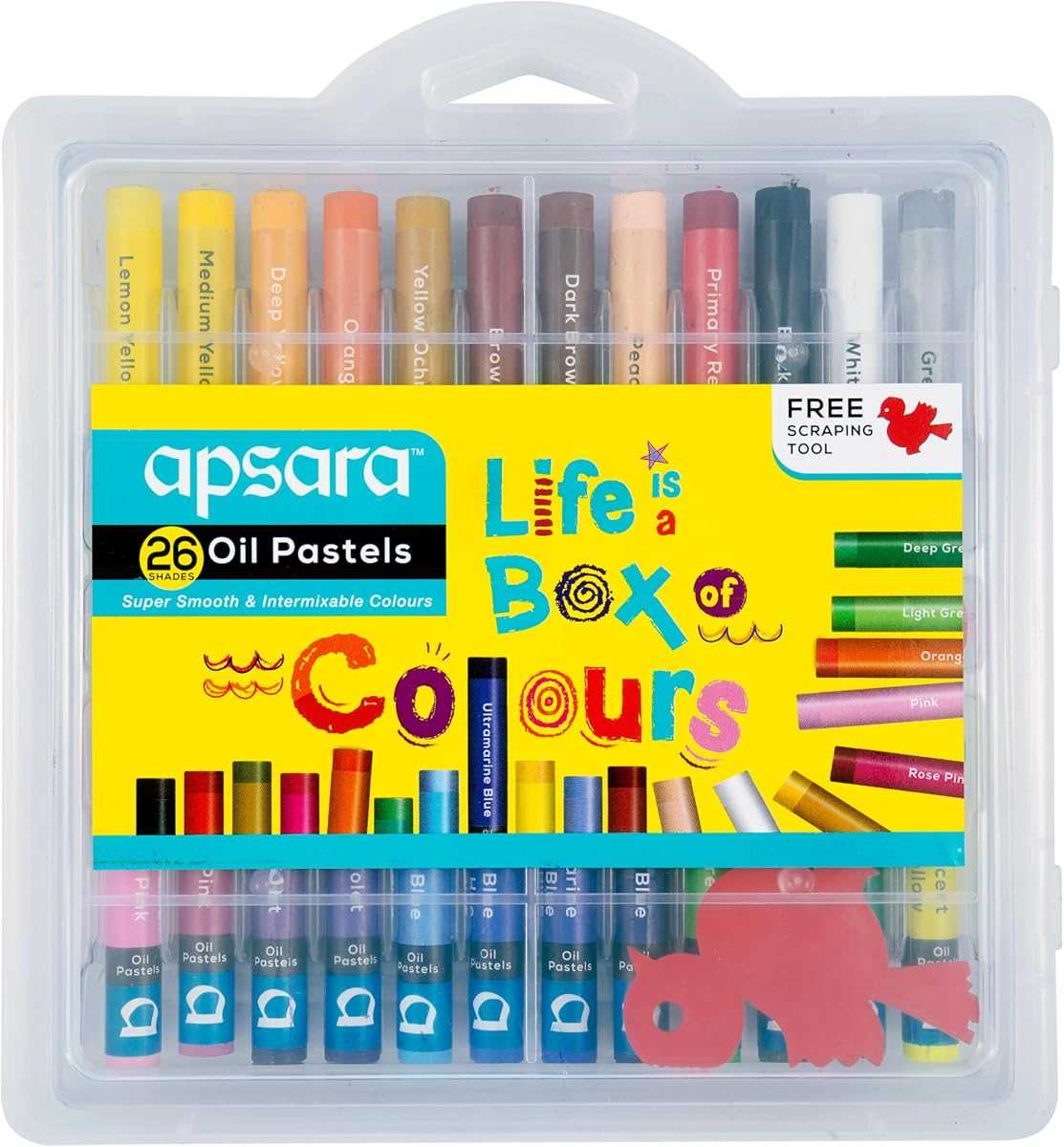
Apsara Oil Pastels 26 Shades |Smooth Color Intermixing for Better Effect |Brilliant Colour
Rs. 3.77 a shade
Why it earned its spot an oil pastel set in the middle of the school band, at a quarter the per-shade price of the cheapest artist set
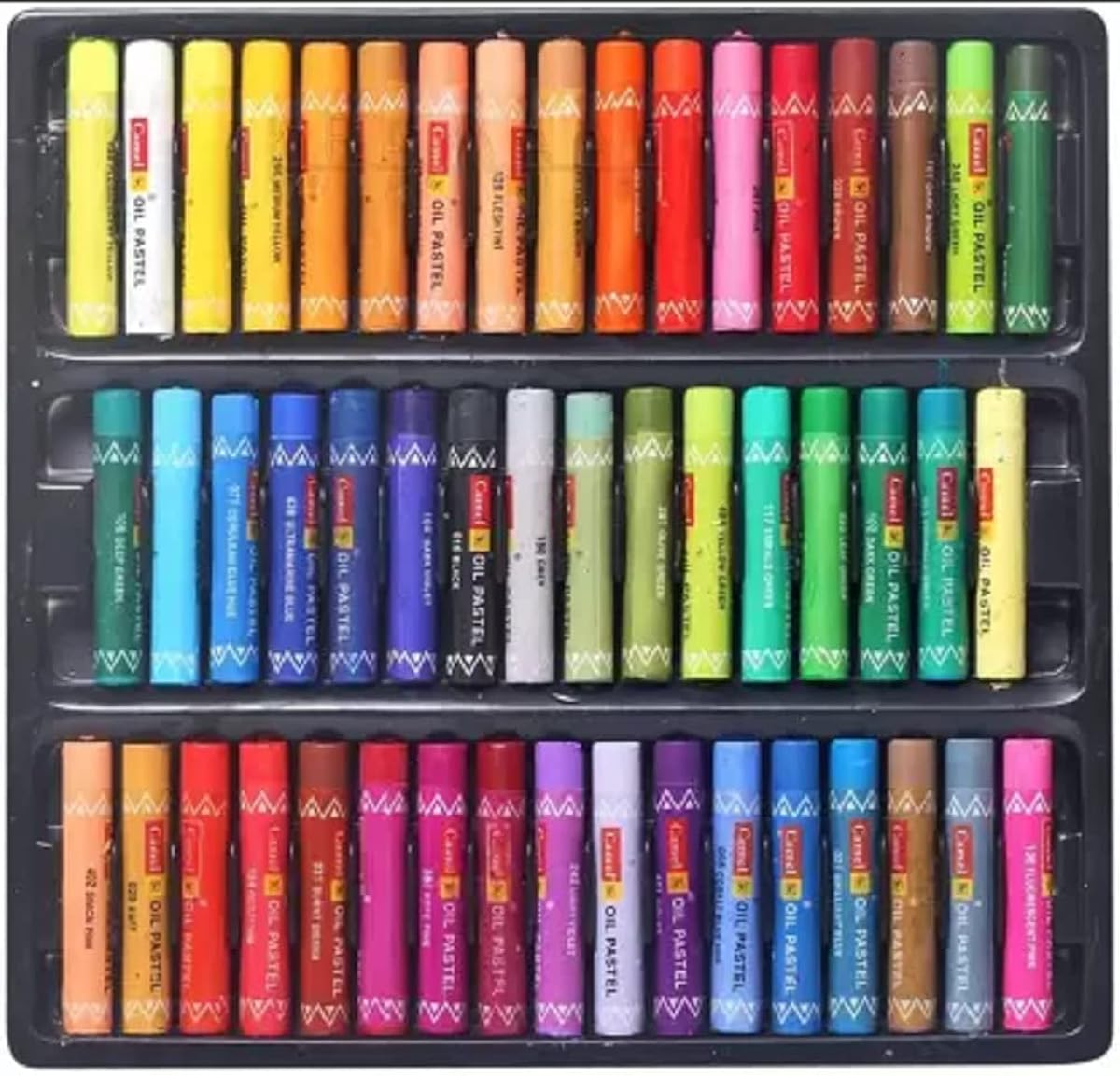
Camlin Kokuyo 50 Shades Oil Pastel,Multicolor
50 shades, Rs. 190, Rs. 3.80 a shade
Why it earned its spot Camlin's 50-shade set, 8% dearer per shade than its own 25-shade set
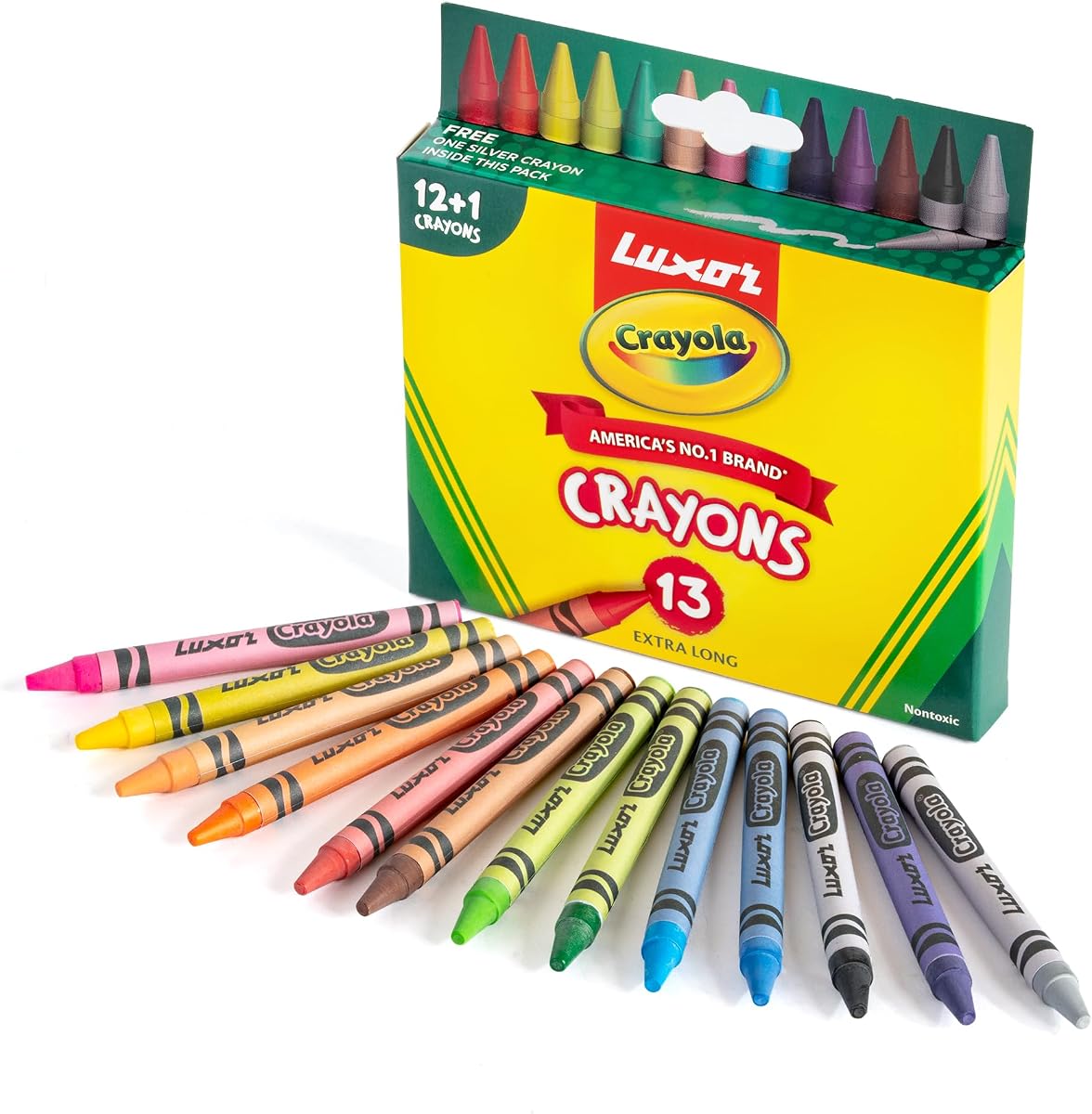
Luxor Crayola Wax Crayons Extra Long 13 Shades
13 shades for Rs. 50
Why it earned its spot thirteen shades — an unusual count that makes the box price hard to compare at a glance
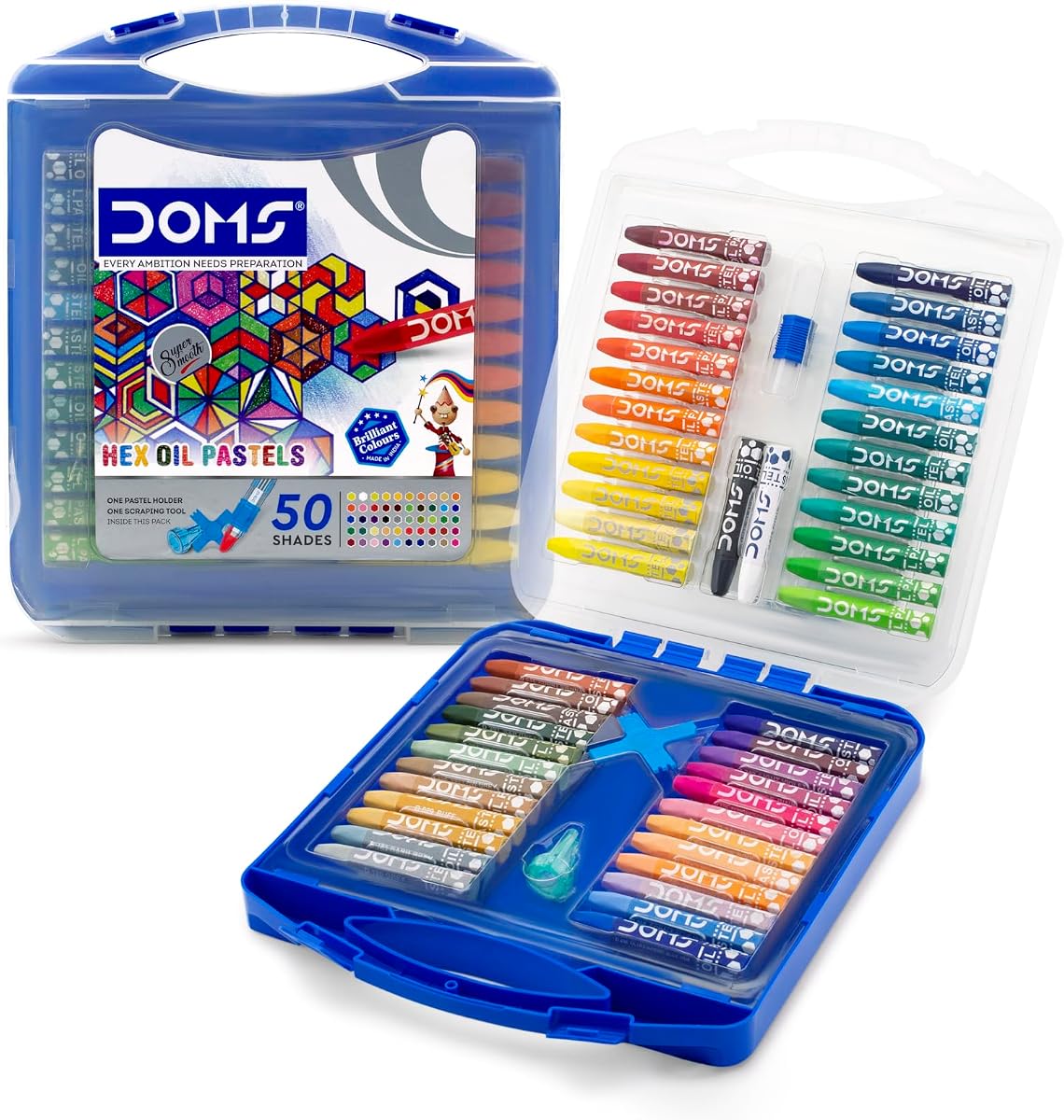
Doms 50 Shades Oil Pastel With Case|Smooth Color Intermixing For Better Effect|Bright&Inte
50 shades, Rs. 193, 27% dearer a shade
Why it earned its spot the 50-shade Doms set that costs 27% more per shade than the brand's own 28-shade tin at pick 1
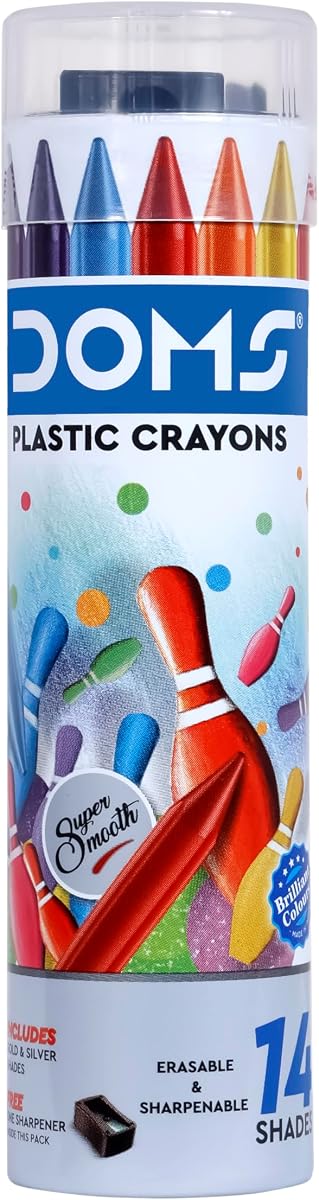
Doms 14 Shades Erasable Plastic Crayons Round Tin Box|Smooth&Even Shading|Bright&Playful C
14 shades for Rs. 58
Why it earned its spot a 14-shade tin at Rs. 4.14 a shade, dearer per shade than the 28-shade tin from the same house
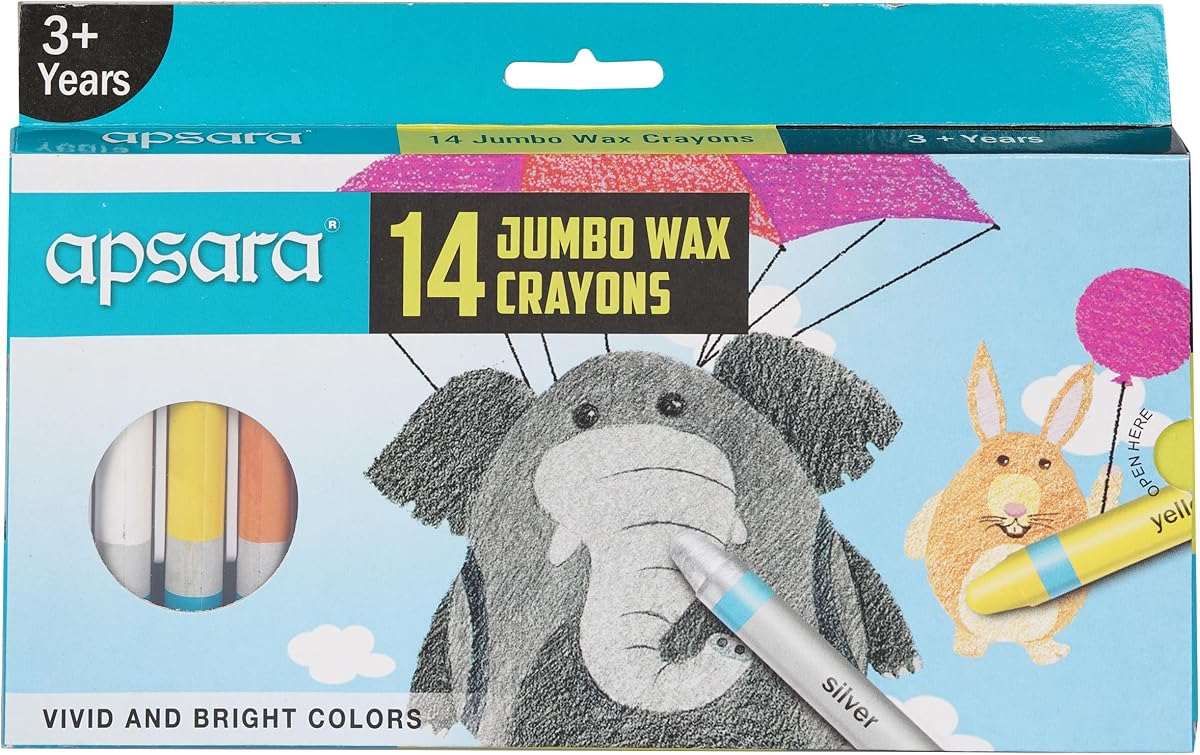
Apsara Jumbo Wax Crayons - 14 Shades | Bright Colours | Jumbo Size for Better Grip | Bigge
14 jumbo shades, Rs. 60
Why it earned its spot jumbo-barrel crayons priced per shade like standard ones, at Rs. 4.29
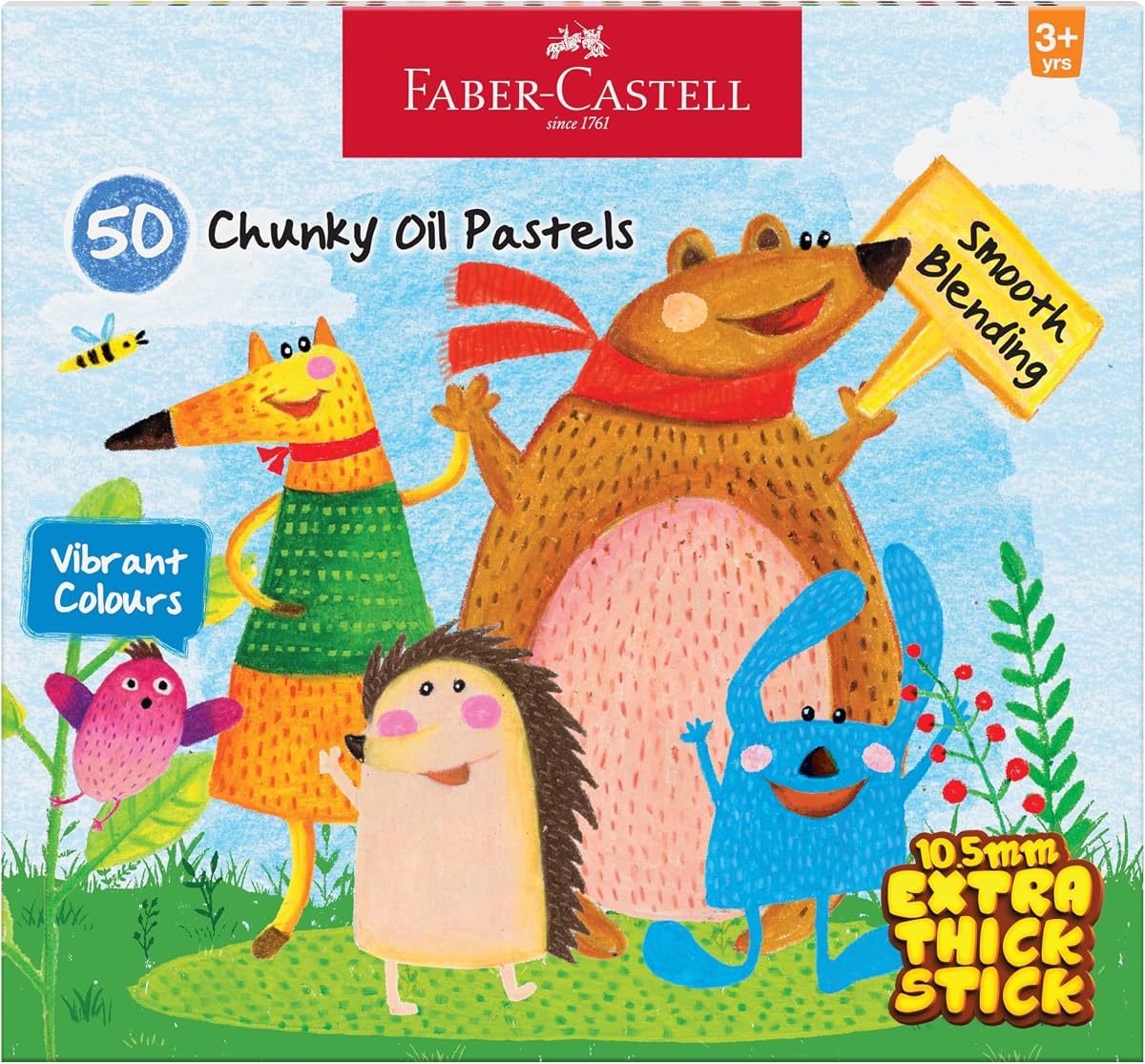
Faber-Castell Oil Pastels 10.5mm Extra Thick – Pack of 50 Vibrant Colours | Smooth, Blenda
50 shades, Rs. 220, Rs. 4.40 a shade
Why it earned its spot Faber-Castell's 50-shade set, 32% dearer per shade than the brand's own 12-shade box at pick 3
Rs. 6.12, Then Rs. 38.71: The Gap With Nothing In It
One listing at the top of the school band, then a 6.3x step to the artist shelf - four Mungyo Gallery sets where the price per shade barely moves and the dearest box is not the dearest colour.
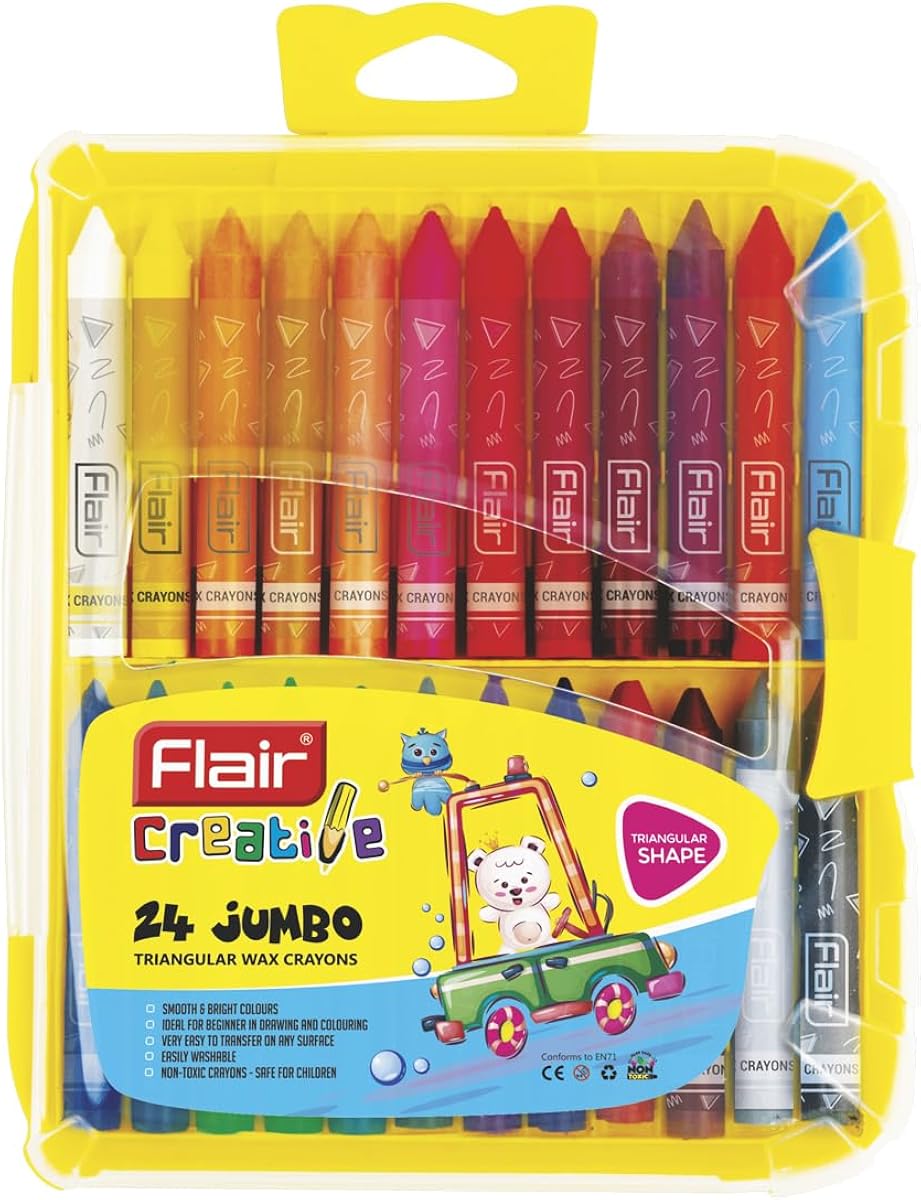
FLAIR Creative Series 24 Shades Triangular Wax Crayons Box Pack | Easily Washable Smooth &
24 shades, Rs. 147, Rs. 6.12 a shade
Why it earned its spot the dearest shade in the school band at Rs. 6.12, and the last listing before a 6.3x jump
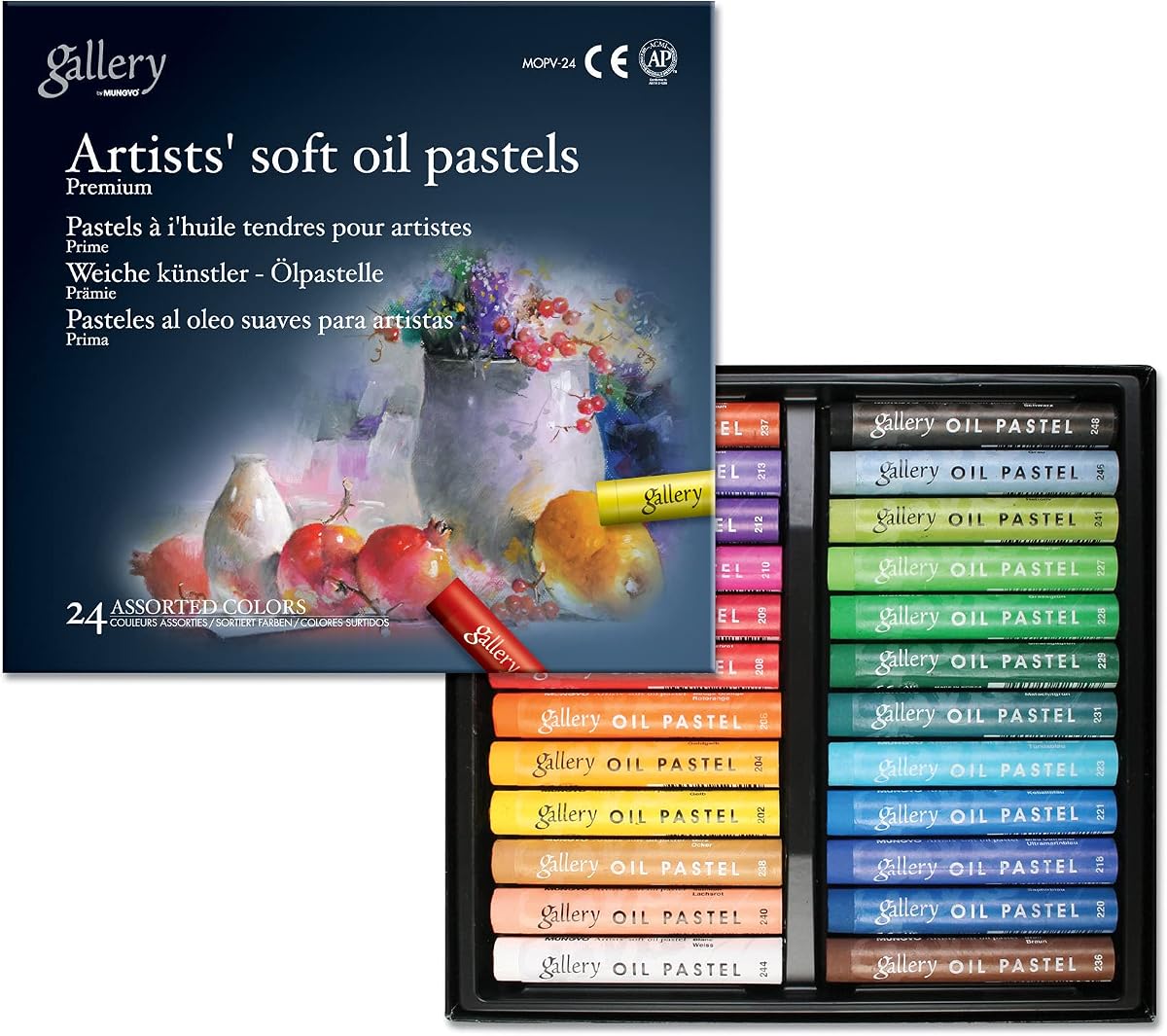
MUNGYO Gallery Artists' Soft Oil Pastels Set Of 24 Colours,Mopv-24,Multicolor
Rs. 38.71 a shade, 24 colours
Why it earned its spot the cheapest artist-grade shade in the read, and 6.3 times the price of the dearest school-band one
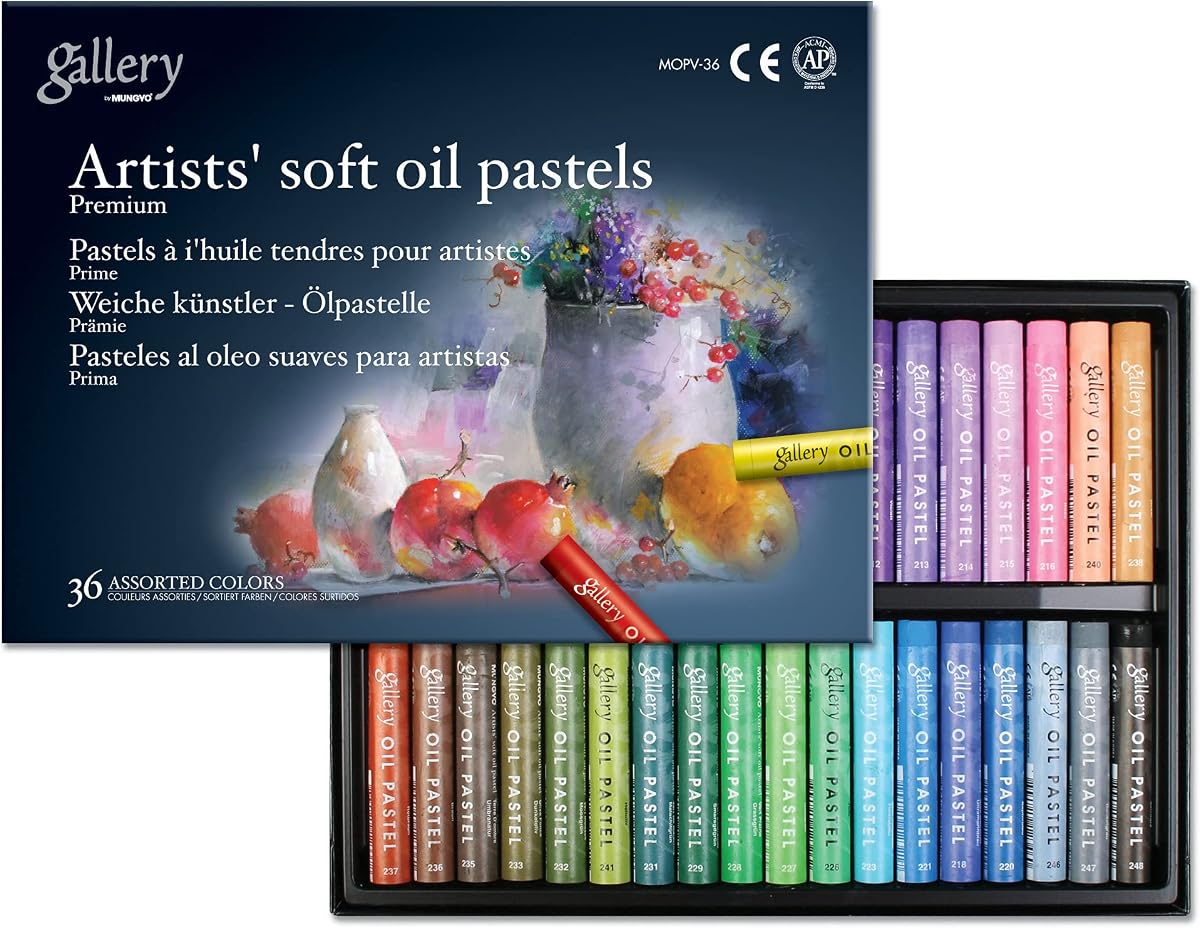
Mungyo Gallery Artists' Soft Oil Pastels-36 Colors,Multicolor
Rs. 41.36 a shade
Why it earned its spot the middle of the artist range, showing how little the per-shade price moves across pack sizes here
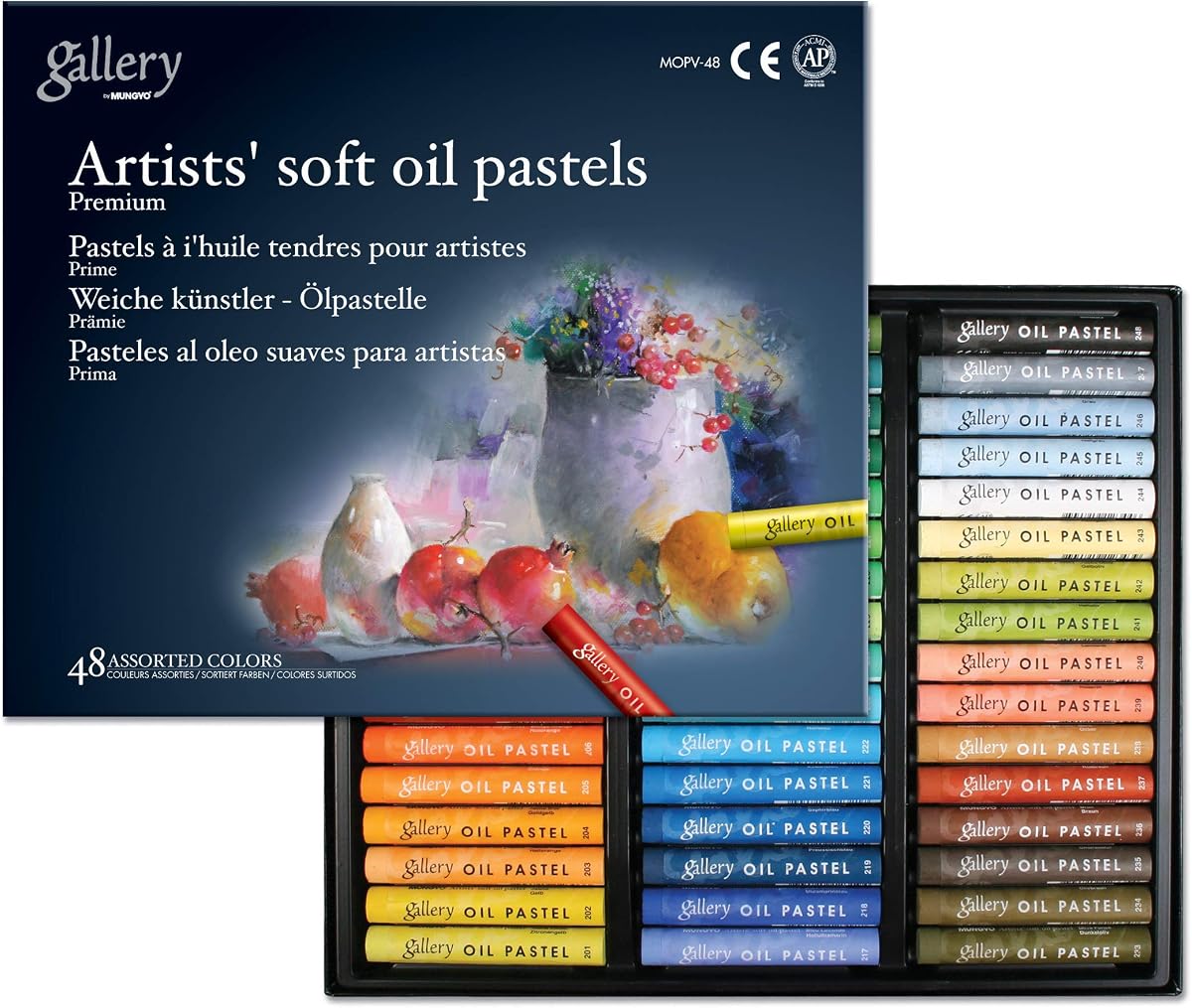
Mungyo Gallery Soft Oil Pastels (48 Pieces)|Multicolor
48 pieces, Rs. 2,049
Why it earned its spot the highest sticker price on the shelf, and yet not the highest price per shade
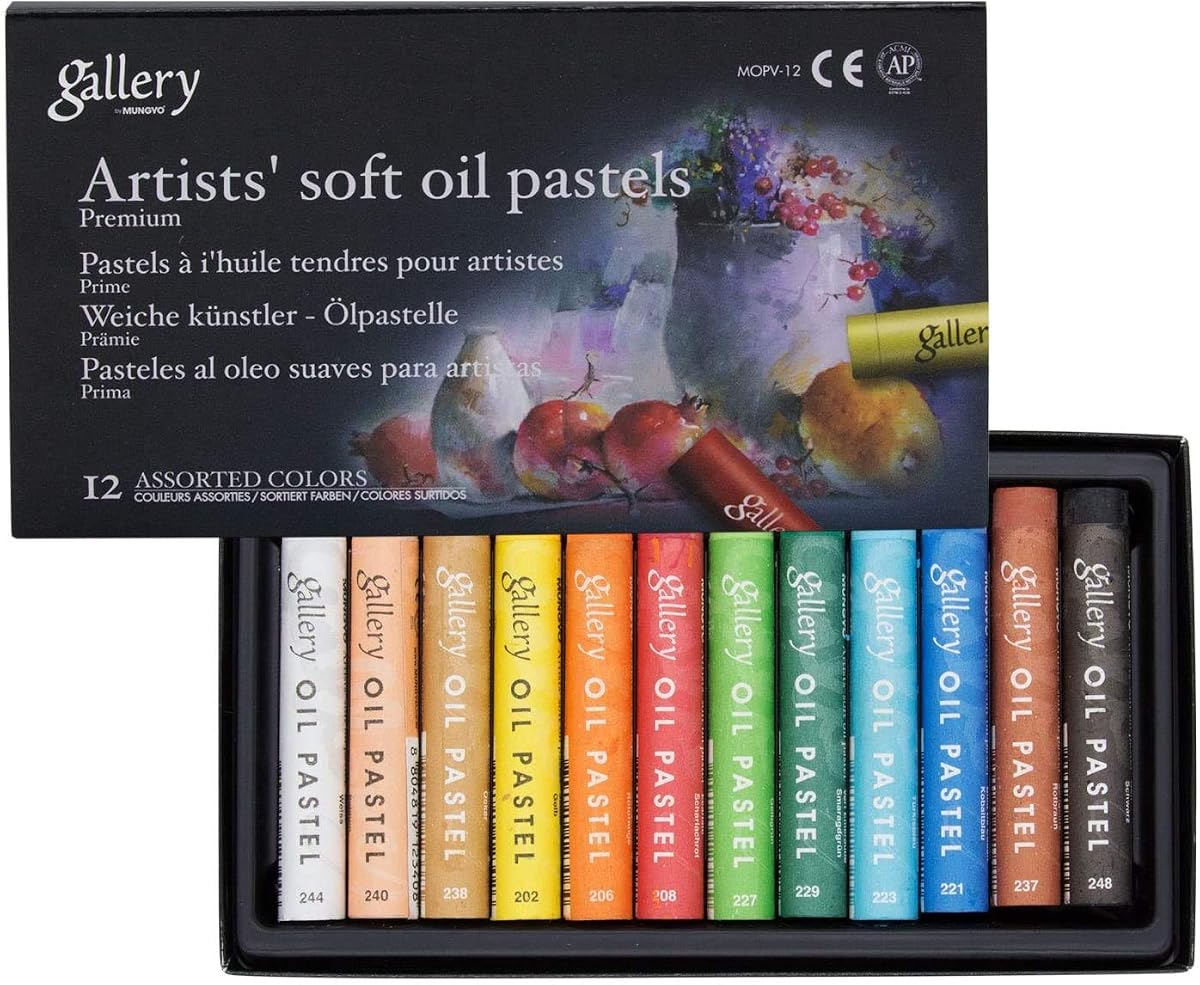
MUNGYO Gallery Artists' Soft Oil Pastels - 12 Colors, Ink Multicolor
Rs. 43.42 a shade, from a Rs. 521 box
Why it earned its spot the highest price per shade in the read, from one of the smaller boxes on the shelf
How to read a crayon shelf
Three habits survive this read. First, divide by the shade count in the title — it is the only comparison the grid supports, and it reorders the shelf completely: the Rs. 2,049 box here is better value per colour than the Rs. 521 one. Second, do not assume the bigger box is the cheaper one. Three of the brands on this page price their largest set above their own smaller set on a per-shade basis, by 8% to 32%, so the bulk instinct is actively wrong about half the time here. Third, check which shelf you are on before comparing anything. 'Oil pastel' describes both a Rs. 98 school box and a Rs. 2,049 artists' set in this read, and the two are not substitutes — pigment load and binder are the difference, and neither appears anywhere on the tile. On the evidence side this shelf is better than most: all 21 seated listings publish a rating count, and four of them carry more than 4,000.
How our picks compare
| Product | Sale price | MRP | Discount |
|---|---|---|---|
| Doms 28, cheapest a shade | Rs. 85 | Rs. 28 shades | Rs. 3.04% |
| Camlin Kokuyo 50 | Rs. 156 | Rs. 50 shades | Rs. 3.12% |
| Faber-Castell 12 | Rs. 40 | Rs. 12 shades | Rs. 3.33% |
| Camel 24 + 2 glitter | Rs. 80 | Rs. 24 shades | Rs. 3.33% |
| Apsara 28 | Rs. 95 | Rs. 28 shades | Rs. 3.39% |
| YOUVA Navneet 50 | Rs. 170 | Rs. 50 shades | Rs. 3.40% |
| Faber-Castell 25 | Rs. 86 | Rs. 25 shades | Rs. 3.44% |
| Camlin Camel 25 | Rs. 88 | Rs. 25 shades | Rs. 3.52% |
| Camel Kokuyo 12 | Rs. 43 | Rs. 12 shades | Rs. 3.58% |
| Apsara oil pastel 26 | Rs. 98 | Rs. 26 shades | Rs. 3.77% |
| Camlin Kokuyo 50 (2nd) | Rs. 190 | Rs. 50 shades | Rs. 3.80% |
| Luxor Crayola 13 | Rs. 50 | Rs. 13 shades | Rs. 3.85% |
| Doms 50 oil pastel | Rs. 193 | Rs. 50 shades | Rs. 3.86% |
| Doms 14 | Rs. 58 | Rs. 14 shades | Rs. 4.14% |
| Apsara Jumbo 14 | Rs. 60 | Rs. 14 shades | Rs. 4.29% |
| Faber-Castell 50 | Rs. 220 | Rs. 50 shades | Rs. 4.40% |
| FLAIR 24 triangular | Rs. 147 | Rs. 24 shades | Rs. 6.12% |
| Mungyo 24 | Rs. 929 | Rs. 24 shades | Rs. 38.71% |
| Mungyo 36 | Rs. 1,489 | Rs. 36 shades | Rs. 41.36% |
| Mungyo 48, Rs. 2,049 | Rs. 2,049 | Rs. 48 shades | Rs. 42.69% |
| Mungyo 12, dearest a shade | Rs. 521 | Rs. 12 shades | Rs. 43.42% |
What we skipped — and why
What we look for
Every price read from Amazon's own search pages
Each selling price, star average and rating count on this page was parsed on 15 October 2026 from amazon.in's own search-results pages for 'crayons', 'wax crayons kids', 'oil pastels' and 'crayons set', logged out, in India, with nothing purchased. After filtering out non-crayon results, 61 clean crayon and oil-pastel listings remained and 21 are seated.
The per-shade price is the box price divided by the count in the listing's own title
Amazon's grid prints the box price only. Every per-shade figure here is the listing's own selling price divided by the number of shades, colours or pieces stated in its own title - Rs. 85 for 28 shades is Rs. 3.04. No rounding is applied before the division and the count is never inferred from the price, the photograph or the pack image. Where a title advertises extras on top of its stated count, such as two free glitter shades, we divide by the stated count only, because counting promotional extras into a unit price flatters it.
No MRP, discount or saving is quoted anywhere on this page
Amazon's search tiles return an 'mrp' field for this shelf whose values include 3, 4, 5, 6, 11, 14, 15 and 16 rupees. Those are Amazon's own printed per-piece rates, not list prices, and treating them as strike-throughs would manufacture discount percentages of several thousand per cent. Every card here therefore carries a blank MRP deliberately, and this page makes no claim about any discount, saving or list price on any product.
Only crayons and oil pastels are seated, and the filtering is stated
The searches returned a large volume of adjacent stationery - modelling clay, brush pens, sketch pens, colour pencils, paints, glue, sharpeners and multi-item 'drawing kits' that bundle crayons with other things. None of those is seated and none is counted in the Rs. 3.04-to-Rs. 43.42 range, because a per-shade price computed over a bundle is not a per-shade price. A 150-piece 'colour set kit' returned by the crayon query was dropped for exactly this reason, as was a Rs. 10 listing we could not verify as a full retail pack.
Artist-grade and school-grade pastels are reported as two populations, not ranked against each other
The four Mungyo Gallery sets on this page cost 6 to 14 times more per shade than the school listings. Artists' soft pastels carry higher pigment loads and softer binders, and professional art materials are priced on pigment rather than on colour count - a real difference these tiles do not publish and that we have not measured. Nothing on this page says the expensive pastels are overpriced or that the cheap ones are equivalent. The finding is only that one search returns both and the grid shows neither.
Rating counts are printed in full beside every star
Unusually for a shelf this size, all 21 seated listings publish both a star average and a rating count, and four carry samples above 4,000. That is worth saying plainly in a category's favour. It also means the thin samples stand out: two listings here rest on 35 and 43 ratings, and a 4.3 built on 35 people is not the same evidence as a 4.3 built on 5,276. Every card prints the count. Where one brand displays an identical rating pool across several variant listings, only one of those listings is seated and the card says so.
FAQs
What is the cheapest crayon set on Amazon per shade?
In this read of 61 listings on 15 October 2026, the lowest price per shade was Rs. 3.04 — a 28-shade tin at Rs. 85. Next were a 50-shade oil pastel set at Rs. 156 (Rs. 3.12 a shade) and a 12-crayon box at Rs. 40 (Rs. 3.33). The cheapest box outright was that Rs. 40 one, and unusually for this kind of shelf it is also good value per shade. The highest was Rs. 43.42 a shade. Every figure is the listing's own price divided by the shade count in its own title; prices change continuously, so check the live page.
Is a bigger crayon box cheaper per colour?
Often not, and three brands on this page demonstrate it within their own ranges. Doms sells a 28-shade tin at Rs. 3.04 a shade and a 50-shade set at Rs. 3.86 — the bigger box is 27% dearer per colour. Camlin's 25-shade set is Rs. 3.52 against its 50-shade at Rs. 3.80, 8% dearer. Faber-Castell's 12-crayon box is Rs. 3.33 against its 50-shade set at Rs. 4.40, 32% dearer. One brand does go the other way, with a 50-shade set at Rs. 3.12 that is the second-cheapest shade in the read. There are ordinary reasons a larger set can carry a higher unit price — different media, cases, barrel thickness or pigment mix — and none of them is visible from the grid. The practical answer is simply to divide rather than assume.
Why are some oil pastels Rs. 100 and others Rs. 2,000?
Because the words cover two different products. In this read, school-grade oil pastels run Rs. 3.04 to Rs. 6.12 a shade and artist-grade Mungyo Gallery sets run Rs. 38.71 to Rs. 43.42 a shade — and not one of the 61 listings falls anywhere between Rs. 6.12 and Rs. 38.71. Artists' soft pastels carry much higher pigment loads and softer binders, and professional art materials are priced on pigment rather than on colour count, so the gap is explicable rather than suspicious; nothing here suggests the expensive sets are overpriced or that the cheap ones are equivalent. We have not used either. The useful point is that a single Amazon search returns both populations in one grid, and the grid prints only the box price.
Does Amazon show a discount on crayons?
Not usefully, and this page quotes none. The MRP field Amazon's search tiles return for this shelf carries values like 3, 4, 5, 6, 11, 14, 15 and 16 rupees — those are per-piece rates, not list prices. Treating them as strike-throughs would produce discount percentages in the thousands, so every card on this page carries a blank MRP deliberately and no saving, discount or percentage is asserted anywhere. If you see a genuine strike-through on a live product page, that is Amazon's figure on that page at that moment and not something we have verified.
Which crayon set has the most ratings on Amazon?
This is a well-evidenced shelf, which is worth saying in its favour: all 21 seated listings publish both a star average and a rating count, and four carry more than 4,000. The largest samples were a 50-shade oil pastel set with 4.3 stars from 5,276 ratings, a 48-piece artists' set with 4.6 from 5,241, and a 28-shade tin with 4.4 from 4,291. At the other end, two seated listings rest on 35 and 43 ratings, which is why every card prints the count beside the star — a 4.3 from 35 people and a 4.3 from 5,276 are not the same evidence. One brand displays an identical 1,991-rating pool across several variant listings of the same crayon line, so only one of those is seated here. A rating is the listing's own published figure, not our assessment.
More Amazon coverage on Zoutons

Trending
 Flipkart Big Billion Days 2026 Is Live: General Access Open October 9
  Amazon Upcoming Sale Calendar 2026: Next Sale Dates India, GIF & More
  Myntra Sale Calendar 2026: Big Fashion Festival Live Now, Winter EORS Dates
  Nykaa Sale Calendar 2026: Diwali Dhamaka & Pink Friday Dates, Next Sale
  Udemy Upcoming Sale 2026: Next Sale Dates, Black Friday & Coupons
  Amazon Great Indian Festival 2026: Dates Official, Live From Oct 8, SBI 10% Off
 More From Amazon

 Booking com
  Hostinger
  Dell
Dell  Udemy
Udemy  Agoda
Agoda  Nykaa
Nykaa  Myntra
  Ajio
Ajio