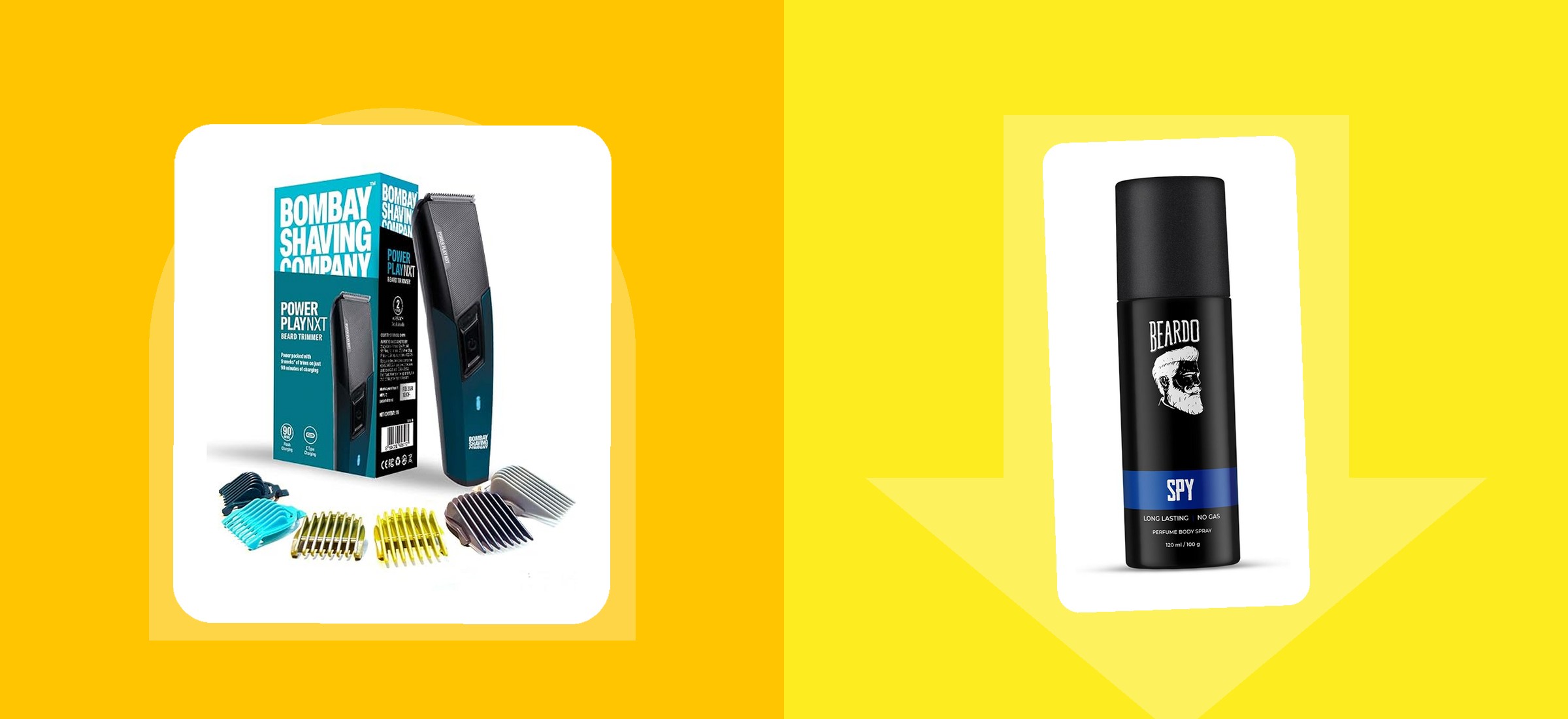
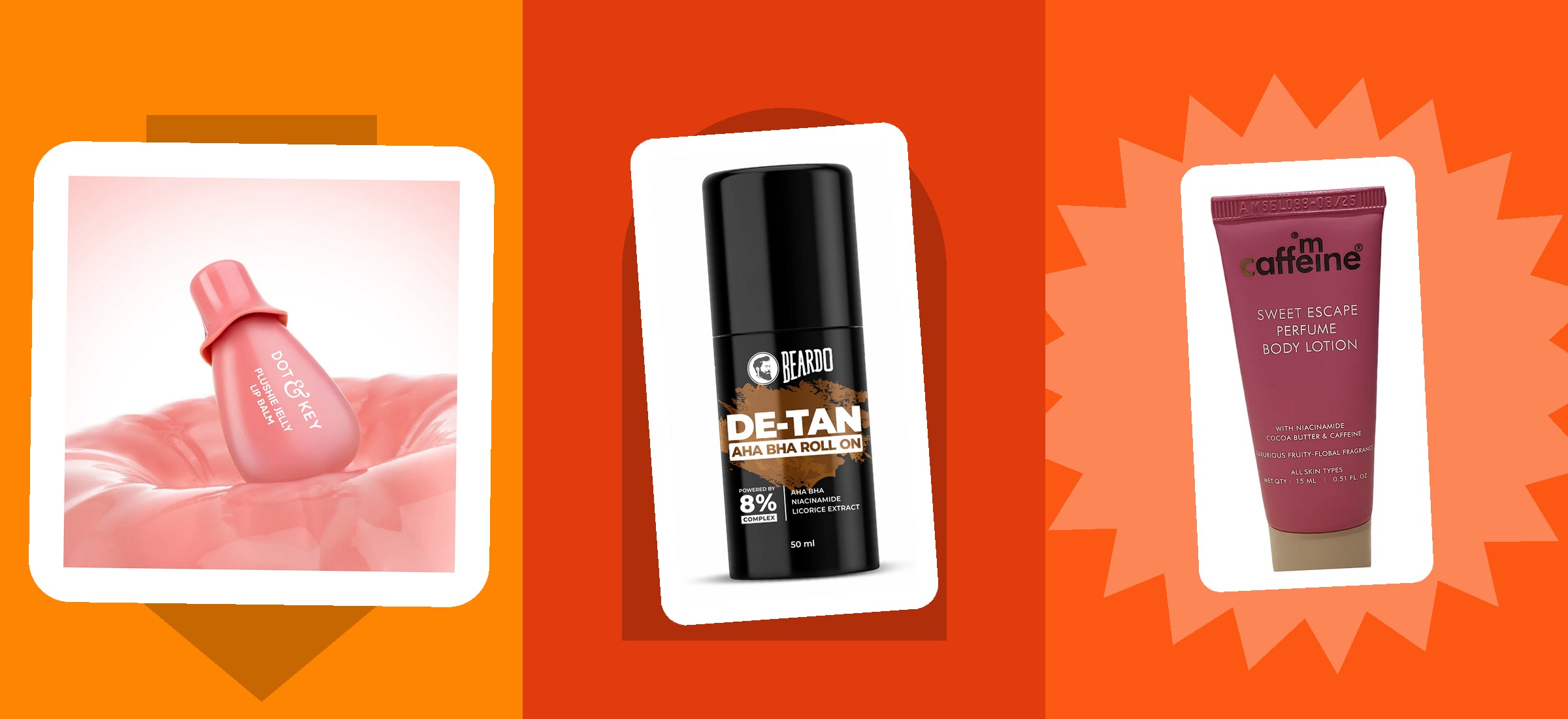
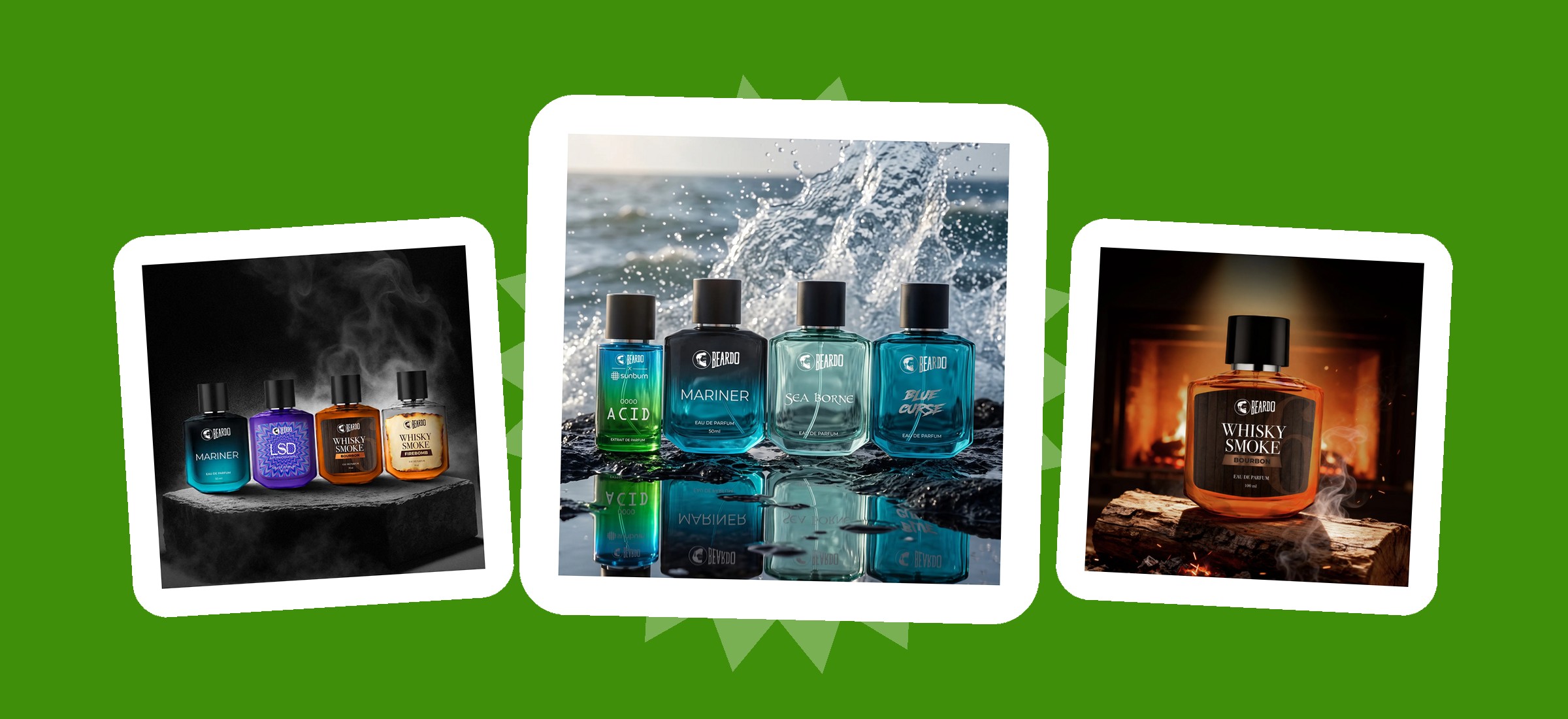
![Products from six of the eight D2C brands whose terms are read on this page, in their own listing photographs on a colour-block banner]()
Buried in the terms of almost every online shop is a sentence setting out how much the seller could owe you if something goes wrong. On 23 October 2026 we read it across eight well-known Indian D2C brands.
Four publish a limitation; four publish nothing. And the two that attach an actual number arrive at the same ceiling from different drafting: what you paid. On a Rs. 399 order, that is Rs. 399.
📅 Update log:
23 Oct 2026: first published. Liability and warranty clauses read from each brand's own /policies/terms-of-service on 23 October 2026, from India, logged out. Where we report that nothing was found, that is a statement about that page on that date, not a claim that no clause exists. Nothing was purchased, no claim was made and no brand was contacted.
The sentence most people never read
Somewhere in the terms of the shop you just bought a face wash from is a sentence about how much the brand could owe you if something goes wrong. We read it across eight well-known Indian D2C brands on 23 October 2026, from India, logged out.
Four publish a limitation. Four do not. And of the four that do, the two that attach a number both land in the same place: the amount you paid.
What eight brands say about their own liability
| Brand | What it does | The clause | Form |
|---|
| Dot & Key | Capped at what you paid | "In sum, in no event shall Company's total liability to the User for all damages and/or losses and/or causes of action exceed the amount paid by the User…" | A number, tied to your spend |
| Bombay Shaving Company | Capped at what you paid | "In any event the liability… for any loss or damage caused to you, whether direct or indirect, shall not exceed the amounts already paid by you…" | A number, tied to your spend |
| Mamaearth | Disclaims liability outright | "The Company takes no liability or exclusive remedy, in law, in equity, or otherwise… will not be liable for any direct, indirect, incidental, special or consequential damages or loss…" | No cap stated — a disclaimer instead |
| Plum | Disclaims warranties and liability | "We disclaim all warranties or conditions, whether expressed or implied… We shall not be liable to any person for any loss or damage which may arise from the use of any of the information…" | No cap stated — a disclaimer instead |
| Beardo | Nothing found | — | — |
| Minimalist | Nothing found | — | — |
| mCaffeine | Nothing found | — | — |
| Libas | Nothing found | — | — |
Two brands, two different companies, one ceiling. Dot & Key caps total liability at "the amount paid by the User"; Bombay Shaving Company caps it at "the amounts already paid by you". Neither is unusual — a cap at the purchase price is ordinary commercial drafting worldwide — but it is worth seeing the arithmetic plainly. On a Rs. 399 order, the contract's own ceiling is Rs. 399.
The limit of what a terms page can decide
We are not lawyers, and this page is not legal advice. But one thing is worth stating clearly, because it is the obvious question a reader will have.
A clause in a website's terms does not by itself extinguish statutory consumer rights in India. The Consumer Protection Act, 2019 created routes — the consumer commissions and the National Consumer Helpline — that exist independently of what a seller writes on its own site, and remedies for a defective or unsafe product are not defined by the seller's terms.
There is also a distinction running through these clauses between liability for the product and liability for use of the website and its information. Plum's clause, for instance, is drafted around "the use of any of the information contained in" its site. Which category a real dispute falls into is exactly the kind of question that needs proper advice, not a reading of the page.
What is actually useful here
- Know the published ceiling before a big order. On the two brands that cap it, the ceiling moves with your spend — which matters more on a Rs. 3,000 basket than a Rs. 300 one.
- A brand publishing nothing has not limited itself by contract. Four of these eight say nothing, which is not a bad sign for a customer.
- Keep evidence that outlives the listing. Screenshots, invoice, support thread with dates.
- Escalate in writing to a named officer where one exists, then to the routes outside the seller's own terms.
What this page does not tell you
This is a reading of published contract terms, and it is not legal advice. Every quotation was read from each brand's own /policies/terms-of-service on 23 October 2026, from India, as a logged-out visitor. Nothing was purchased, no claim was made against any brand and no brand was contacted. We are not lawyers. Nothing here tells you whether any particular clause would be enforceable against you, or what you would recover in a real dispute - that depends on facts and on law we are not qualified to apply.
"Nothing found" means nothing found on that page. It is not a claim that a brand has no liability clause anywhere, and it is not a criticism - a brand that has not capped its liability by contract has, if anything, left a customer in a stronger position.
And a cap at the purchase price is entirely ordinary. Limiting total contractual liability to the amount a customer paid is standard drafting in Indian and international commerce, used by companies of every size. Nothing on this page asserts that any brand named here is acting improperly or unlawfully, or that any of them has ever refused a legitimate claim. The purpose is to put four sentences most customers never read side by side, with the four silences next to them. Terms change without notice - read the live document before relying on anything here.
Frequently Asked Questions
How much can a D2C brand be liable for if something goes wrong?
Where these brands put a figure on it, the figure is what you paid. Two of the eight terms documents we read on 23 October 2026 cap it explicitly. Dot & Key: "in no event shall Company's total liability to the User for all damages and/or losses and/or causes of action exceed the amount paid by the User". Bombay Shaving Company: "the liability… whether direct or indirect, shall not exceed the amounts already paid by you". Two more - Mamaearth and Plum - disclaim liability broadly rather than capping it at a number. Four of the eight publish nothing matching on the page we read. In practical terms, on the two brands that cap it: if a Rs. 399 face wash causes a problem, the contract's own ceiling is Rs. 399.
Can a website's terms actually limit my consumer rights in India?
This is the part a terms page cannot settle, and we are not lawyers. A contract clause is a contract clause; statutory consumer rights in India do not disappear because a website prints a cap. The Consumer Protection Act, 2019 provides routes - the consumer commissions, the National Consumer Helpline, and in the case of a defective or unsafe product, remedies that are not defined by the seller's own terms. There is also a difference between liability for the product and liability for using the website, and some of these clauses are drafted around the latter. Nothing on this page tells you whether a particular cap would be enforced against you; if you have a real dispute involving injury, loss or a defective product, take proper advice rather than reading the seller's terms as the final word.
Which D2C brands publish no liability clause at all?
On the terms pages we read, Beardo, Minimalist, mCaffeine and Libas had nothing matching. That is a statement about those pages on 23 October 2026, not a finding that no such clause exists - it may sit in a separate document, in a section our fetch did not render, or simply not be drafted. And the absence is not necessarily bad for you. A brand that publishes no cap has not limited itself by contract, which if anything leaves a customer better placed than one that has. The useful observation is how uneven the set is: eight well-known brands selling similar things at similar prices, and half of them say nothing at all about where their liability stops.
What is the difference between a liability cap and a warranty disclaimer?
They do different jobs, and both appear in this set. A cap says: we may be liable, but not for more than X - Dot & Key and Bombay Shaving Company both set X as the amount you paid. A disclaimer says: we are not promising the thing you might assume we promised. Plum "disclaims all warranties or conditions, whether expressed or implied", and Mamaearth says it "takes no liability or exclusive remedy, in law, in equity, or otherwise" with respect to website content and products. A disclaimer with no cap is not automatically more protective of the brand than a cap, and neither formulation decides what a consumer forum would do - they are drafting choices, and we report them as such.
What should I keep in case a D2C order goes wrong?
Evidence that survives the order page disappearing. Screenshots of the listing as it appeared, including price and any claim you relied on; the order confirmation and invoice; the full support thread with dates; and photographs of the product and packaging if the issue is physical. Then escalate in writing to the published grievance officer where there is one - Mamaearth and Plum both name an individual. If that fails, the National Consumer Helpline and the consumer commissions are the routes that exist outside the seller's own terms. We have not tested any of this - nothing here was bought and no complaint was filed.
Prices & codes last verified: October 23, 2026
Every quotation on this page was read from each brand's own published terms of service on 23 October 2026, from India, as a logged-out visitor. Nothing was purchased, no claim was brought against any brand and no brand was contacted. This page is not legal advice and we are not lawyers: nothing here tells you whether any clause quoted would be enforceable against you, what you would recover in a real dispute, or how any of these brands handles claims in practice. Statutory consumer rights in India, including the routes created by the Consumer Protection Act, 2019, exist independently of what a seller publishes in its own terms, and nothing on this page should be read as suggesting otherwise. Where we report that nothing was found, that is a statement about the page we read on that date and not a claim that no such clause exists elsewhere; a brand that has not capped its liability by contract has not disadvantaged its customers by doing so. Limiting total contractual liability to the amount a customer has paid is standard commercial drafting in India and internationally, and nothing here asserts that any brand named is acting improperly, unlawfully, or has ever refused a legitimate claim. Terms are revised without notice - read the live document before relying on anything here. Zoutons may earn a commission on purchases made through links on this page, which never affects what we report.




 Booking com
 Hostinger
 Dell
 Udemy
 Agoda
 Nykaa
 Myntra
 Ajio