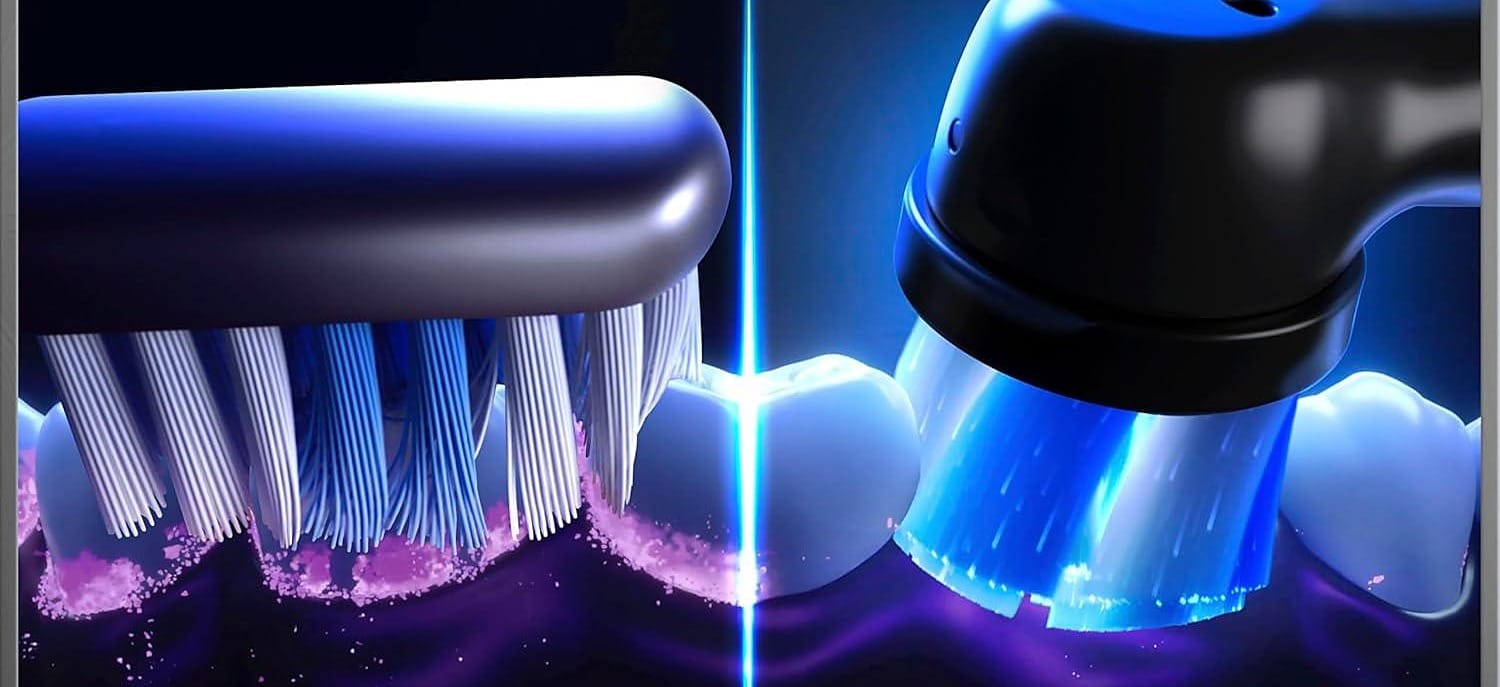
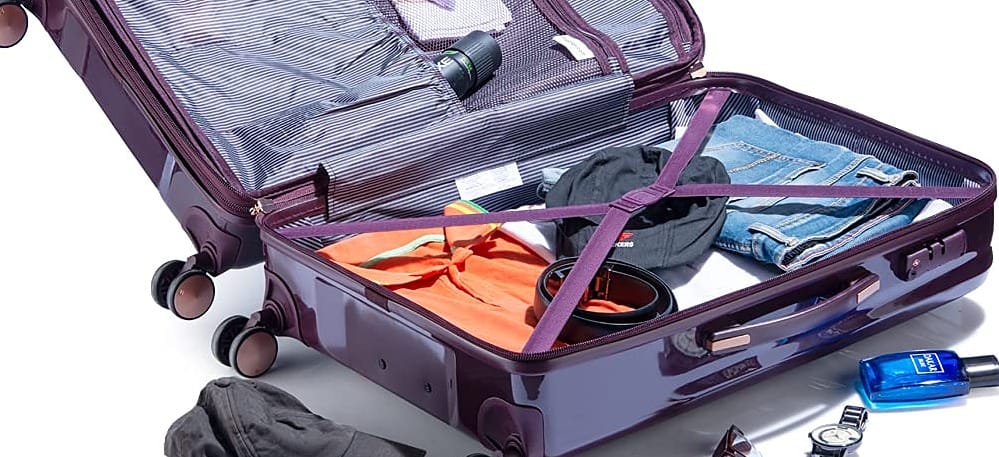
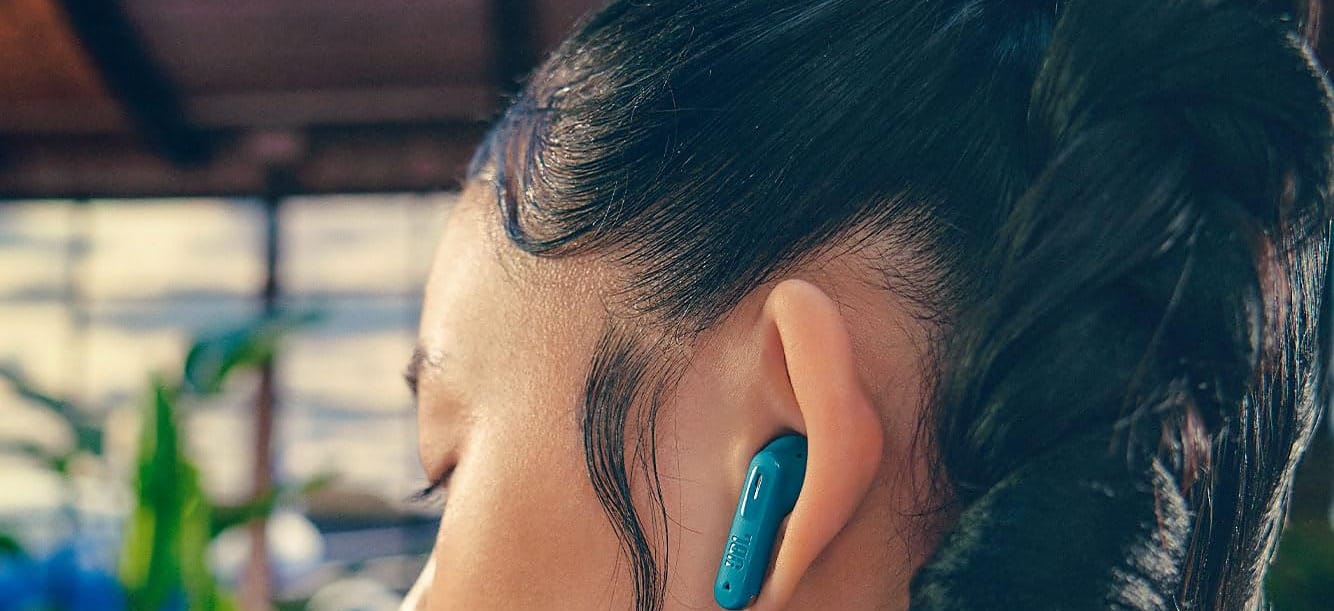
We searched Amazon India for three personal-care appliances on August 6, 2026 - hair dryers, beard trimmers and electric toothbrushes - dropped every sponsored placement and kept thirty organic listings from each, so the three aisles could be compared like for like. Two of them behave exactly as you would expect. Twenty-seven of the thirty hair dryers carry a discount badge, at a median of 31 per cent. All thirty beard trimmers carry one, at a median of 28. And then the third aisle simply stops: twenty-nine of the thirty electric toothbrushes display no struck-through price and no percentage at all, from a Rs. 399 sonic brush up to a Rs. 11,549 Oral-B iO9. The single exception is a Rs. 170 listing printing 83 per cent off - and the same seller's other brush, Rs. 29 dearer, prints nothing. Oral-B holds sixteen of the thirty listings in that aisle. We also found eight listings whose stated MRP sits below their own price, and excluded all of them. 22 picks.
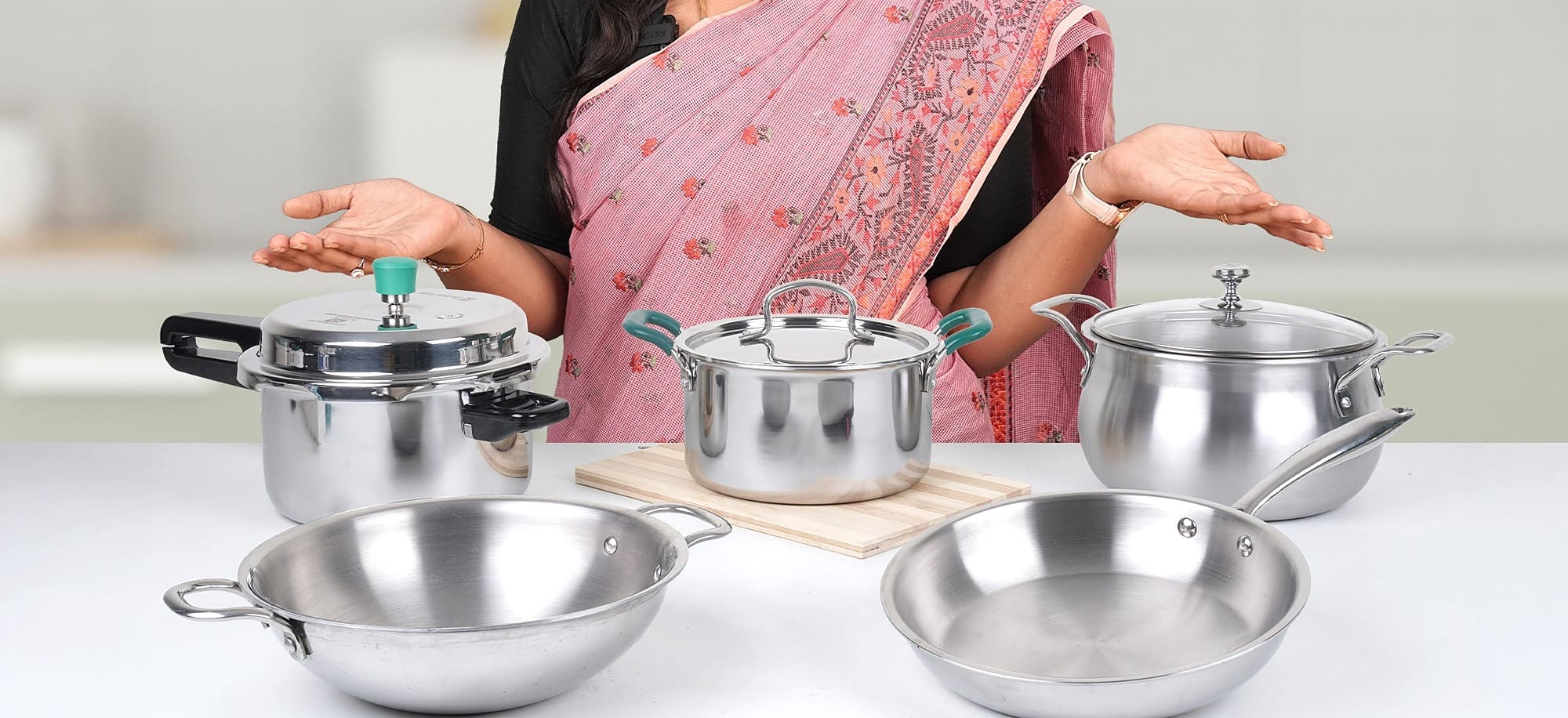
A cookware shelf is one of the few places in retail where the same object is sold in five genuinely different materials at five genuinely different prices, so we read 80 Tata CLiQ cookware listings on August 6, 2026 and grouped them by what the object is rather than by what it costs. A tawa runs from Rs. 749 for hard-anodised aluminium to Rs. 3,739 for light cast iron - a five-fold spread on a pan that makes the same roti. A kadhai runs from Rs. 529 in copper-bottom steel to Rs. 2,799 in tri-ply stainless. The sharpest seat is a pair: two kadhais claiming the same triply construction, one at Rs. 949 and one at Rs. 2,799, with nothing on either listing to explain the Rs. 1,850. But the argument has a limit, and we tested it - five two-litre pressure cookers sit within Rs. 640, and there triply steel costs Rs. 84 more than plain aluminium. Material sets the floor; brand and finish set the rest. 22 picks, every material as the listing states it.
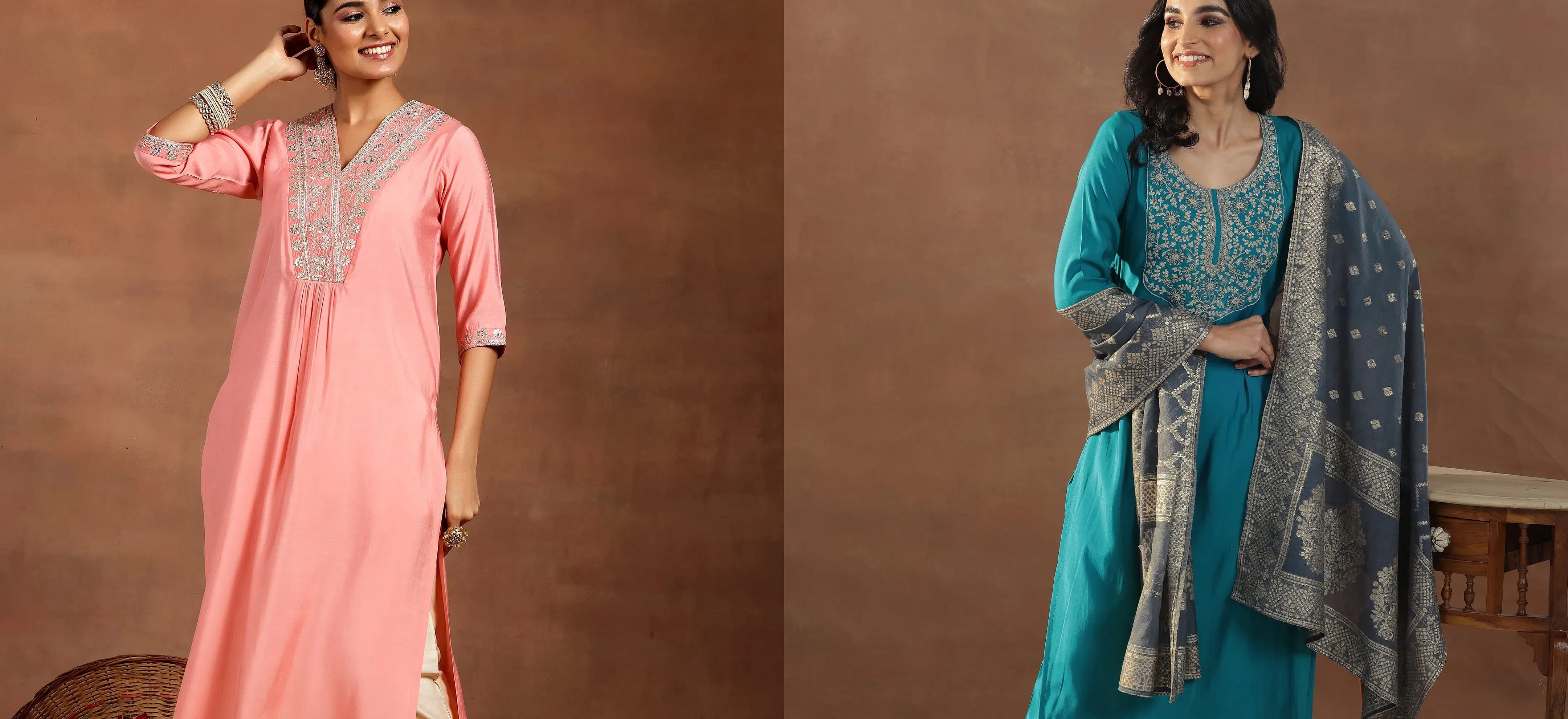
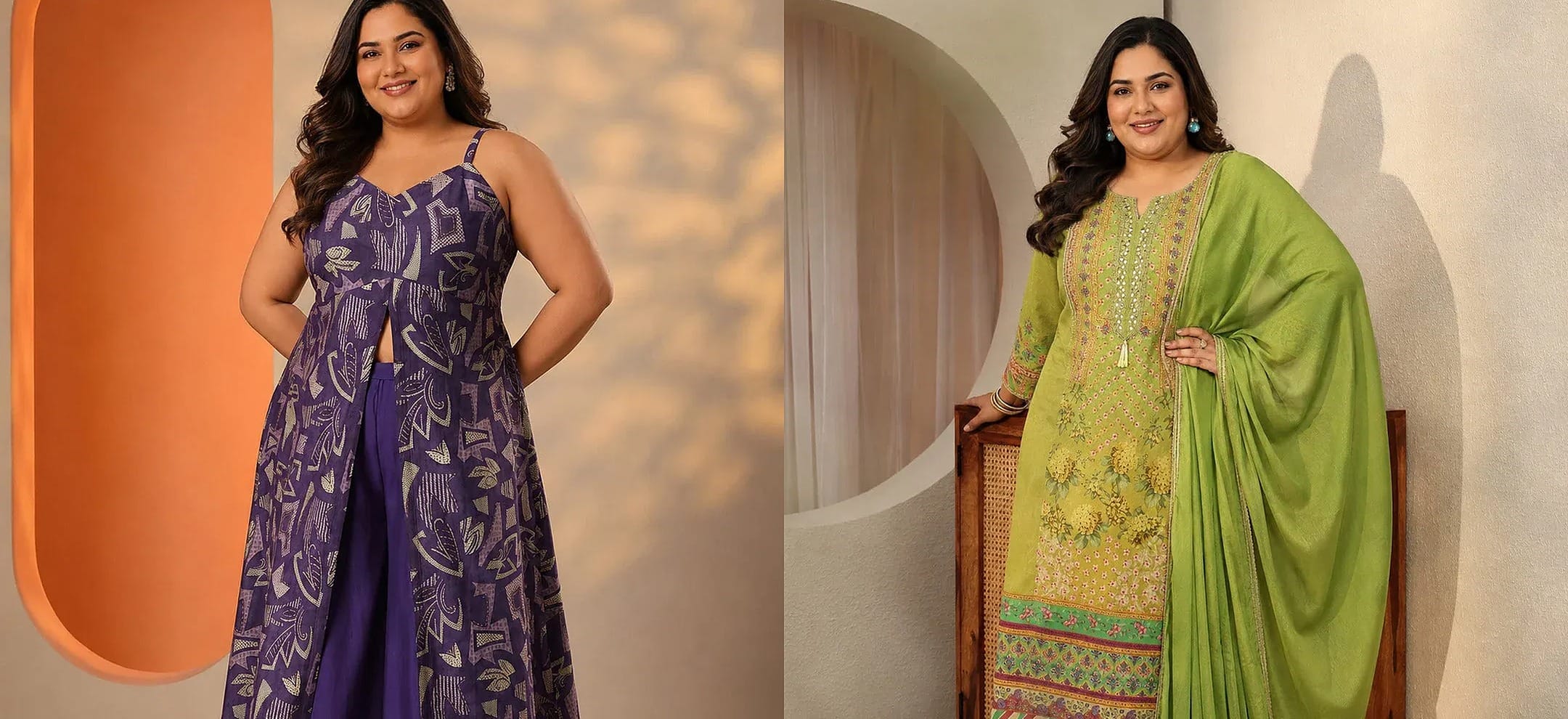
We read all 129 in-stock listings on Libas's own site on July 31, 2026 — five weeks before Raksha Bandhan opens the festive season — and found a store that prices in tiers and lets the MRPs do the theatre. Seven silk-blend suits sell at exactly Rs. 2,619, declaring MRPs from Rs. 5,299 to Rs. 9,149, so their badges run 51% to 71% on identical money. Five printed suits share Rs. 1,649, four declaring an identical Rs. 4,499 — the store's only perfectly uniform shelf. The Gerua sub-brand runs its own tiers at Rs. 1,299 and Rs. 1,399, putting three complete festive suits under Rs. 4,200. And the categories discount by their clearance pressure, not their badges: suits at a median near 60%, sarees at 40% because the six-yard format neither sizes nor dates, and the Libas Art occasion line at 16-47% — the Rs. 12,599 net lehenga, the priciest item in the read, gets 16%. July is when this shelf is stocked, sized and quiet; from mid-August it will not be.
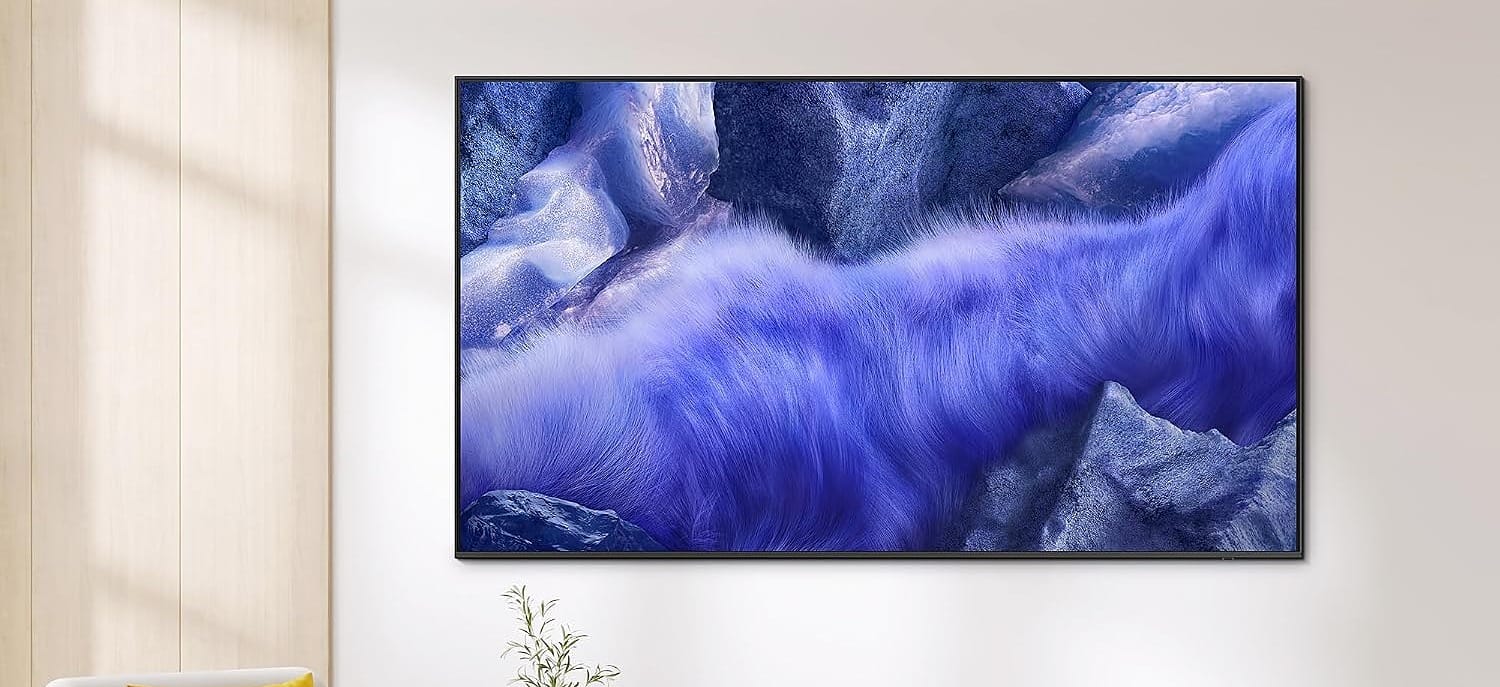
On August 5, 2026 we read 44 Amazon India television listings across three queries - 43, 55 and 65 inch - and checked the review evidence before the prices. Twenty-six of the 44 share their star rating and review count with at least one other listing on the same shelf, across twelve rating pools. Three VW Pro Series sets at three sizes all show 4.1 stars from exactly 2,419 ratings. Three Samsung Crystal UHD sets, three different model numbers, all show 4.3 from exactly 402. The sharpest case is Sony's BRAVIA 2M2: the 65-inch is 41 per cent off and the 43-inch is 20 per cent off, on identical review evidence. The discounts sort just as cleanly by brand tier - challenger brands cut a median 45 per cent, the mid tier 41, and Sony, Samsung and LG just 20. Twenty-three picks, every star score printed with its count, including a 4.7 built from four ratings and a 3.3 built from 233.
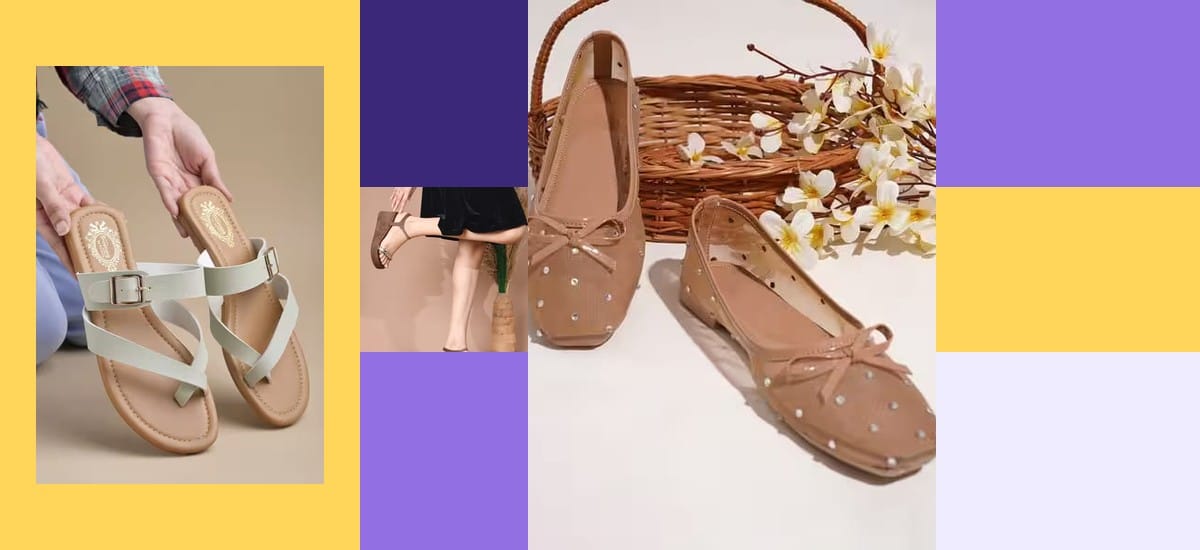
On August 5, 2026 we read 358 AJIO women's footwear listings across four queries - heels, flats, sandals and boots - and found something worth leading with: not one of them carries a star rating or a rating count. With no crowd signal available, the only readable structure is price against stated MRP, and it splits the wall into three systems. Marketplace labels such as Shoetopia and FROH FEET run 267 listings at a median 69 per cent off a median Rs. 1,999 sticker, landing at a median Rs. 675. Shoe-retail brands including ELLE, Mochi, Metro and Bata run 72 at a median 50 per cent - 24 of them at exactly 50 - landing at Rs. 1,100. Chain-store labels like MAX and YOUSTA run 19 at a median 25 per cent against a median Rs. 599 sticker. The comparison that carries the page: a RED TAPE flip-flop at 86 per cent off costs Rs. 602, and a MAX ballerina at 8 per cent off costs Rs. 549. Twenty-three picks, every stated MRP printed.
On August 5, 2026 we read 444 AJIO menswear listings across four queries - formal shirts, casual shirts, trousers and blazers - and counted repeats before comparing anything. Two hundred and ninety-six of the 444 share a selling price with at least one other listing, and 186 sit at a price shared by three or more. ARROW's 71 listings collapse to 35 prices: ten blazers at exactly Rs. 3,600 against Rs. 7,999, nine more at exactly Rs. 3,150 against Rs. 6,999, with titles differing only in words like slim, regular and notched. Seven NETPLAY and DNMX listings share Rs. 509, pricing a shirt and a pair of chinos identically. Six Peter England shirts share Rs. 811, charging the same for half sleeves as for full. Strangest of all, five listings from four unrelated brands share Rs. 500 against an identical Rs. 2,499 sticker. Not one of the 444 carries a rating. Twenty-four picks.
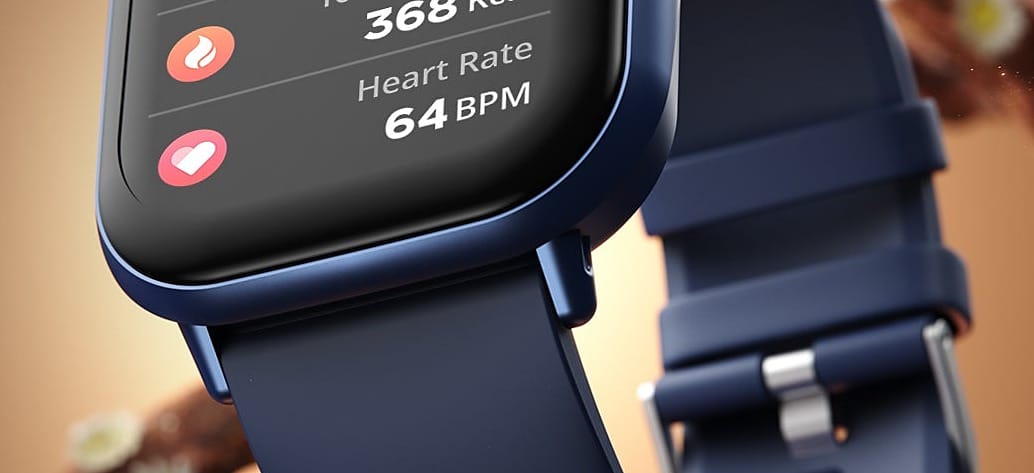
On August 5, 2026 we read 69 Amazon India wearable listings across three queries, removed five resistance bands the fitness-band query returned, and grouped the remaining 64 by price before comparing anything. The result is uncomfortable. The shelf holds 755,610 ratings in total, and 709,314 of them - 93 per cent - belong to the 29 listings priced under Rs. 2,000. Median rating count falls from 4,165 in that band to 737 between Rs. 2,000 and Rs. 5,000, to 418 between Rs. 5,000 and Rs. 10,000, and to 214 above Rs. 10,000. A Fire-Boltt at Rs. 1,099 carries 134,559 ratings; a Garmin Vivoactive 5 at Rs. 19,999 carries 65. The highest star score on the whole shelf, a 4.7, is built from 154 people. Buy well-evidenced or buy expensive - on this shelf you largely cannot do both. Twenty-two picks, every count printed.
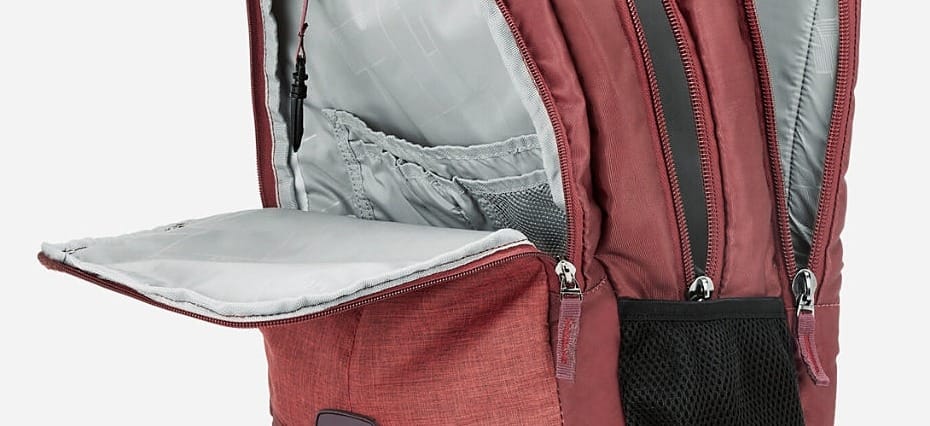
On August 5, 2026 we read 75 Amazon India listings across three queries - school backpack, kids water bottle and lunch box - keeping every row with a price, a stated MRP above it, a rating and an image. A child needs all three, so we priced the set rather than the object. The median kit costs Rs. 1,942: Rs. 979 for the bag, Rs. 375 for the bottle, Rs. 589 for the box. Those same three medians at their stated MRPs total Rs. 3,959. The cheapest kit possible in the pull is Rs. 996, and the cheapest one in which every item scores 4.2 or better on at least 500 ratings is Rs. 1,268 - that is the number we would spend. The discount is not spread evenly: backpacks carry a median 62 per cent badge and seven claim 70 per cent or more, while 15 of 26 bottles carry 25 per cent or less. The object the sale is advertised on is the one with the inflated sticker. Twenty-five picks, every rating printed with its count.
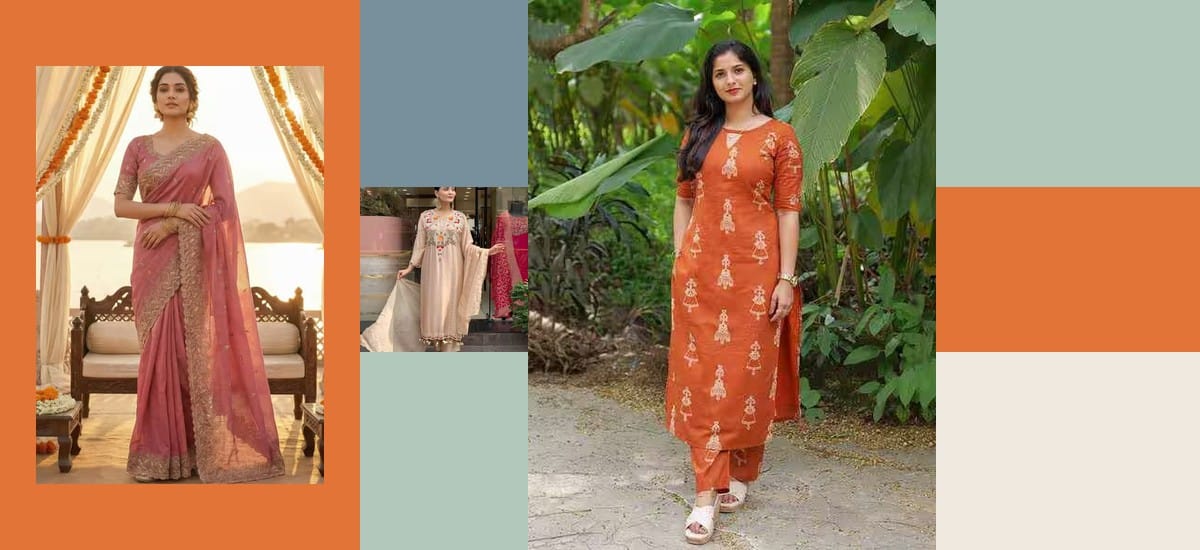
On August 5, 2026 we read 127 AJIO listings across sarees, kurta sets and ethnic dresses, keeping every row with a price, a stated MRP above it and an image. Then we did one piece of arithmetic on each: sticker times one minus the badge. For 119 of the 127 it gives the selling price to within a rupee, and only 12 of those prices end in 00 or 99. The rest are Rs. 359, Rs. 468, Rs. 516, Rs. 671, Rs. 944 - numbers no one writes on a price tag, because the price here is an output rather than a decision. Thirty-three badge values cover all 127 listings and the top three account for 38, because labels apply one percentage across a whole range. Twenty-five stated MRPs appear on more than one listing; Rs. 4,345 is the sticker on five garments from four labels selling at five different prices. The exception is AVAASA, the retailer's own label, whose stickers are ordinary retail numbers carrying 29 to 49 per cent. Twenty-two picks.
On August 5, 2026 we read 119 Tata CLiQ listings across backpacks, handbags, sunglasses, wallets, watches and luggage, keeping every row with a price, a stated MRP above it and an image. Sixty-nine carried a star score; 50 carried none. Among the 69, the median score is 4.7 and the median number of people behind it is four. Forty-three score 4.5 or higher and 43 rest on five ratings or fewer. Twenty-three listings show a perfect 5.0, fourteen rest on a single rating, and only four listings in the whole pull carry 50 ratings or more - three of which are Ray-Ban listings all showing 4.0 from exactly 91, one review pool displayed across several pages. The same Resist Eyewear wayfarer appears twice: 5.0 from one rating in brown, 4.1 from 35 in black. Eighteen picks, with the count printed beside every star and the one-star listings seated alongside the five-star ones.
On August 5, 2026 we pulled twenty pages of Libas's own product feed - 5,000 entries - and kept the 913 listings that were in stock, carried an image and published both a selling price and a compare-at price. One hundred and thirty-five of them are named Plus Size; 778 are not. Twenty-seven of the 135 plus-size listings carry no discount at all, which is 20.0 per cent, against 30 of 778 on the main rail, which is 3.9 per cent - a five-fold difference in how often a shopper meets a full-price listing. The median plus-size badge is 53 per cent against 64 for the main rail, and the median plus-size price is Rs. 1,559 against Rs. 1,959. This is a difference of distribution rather than a rule: plus-size discounts reach 79 per cent at their deepest, and six discounted plus-size listings are seated here alongside the full-price ones. The likeliest ordinary explanation - newer stock is not marked down - cannot be tested from a feed, and we say so rather than assume it away. Nineteen picks.
On August 5, 2026, mid-Freedom Sale, we read 76 organic Amazon listings across five electronics aisles nobody had covered this week - earbuds, soundbars, power banks, tablets and laptops - holding 213,049 ratings between them. The same pattern held in every single aisle: the listing with the most ratings carries one of the smallest badges, and the deepest badges rest on the thinnest evidence. The five most-rated listings average a 26 per cent discount; the five deepest badges average 61. A OnePlus earbud with 48,532 ratings is cut 9 per cent while an 80 per cent sign hangs on a 3.7-rated listing with a twelfth of the sample. Amazon's own Basics label wears its aisle's deepest badge. Five of sixteen tablets, including well-rated ones, print no MRP and no badge at all. Fifty-eight per cent of all the ratings in the pull sit on listings discounted a third or less. Twenty-four picks, every count printed, every sticker read aloud.
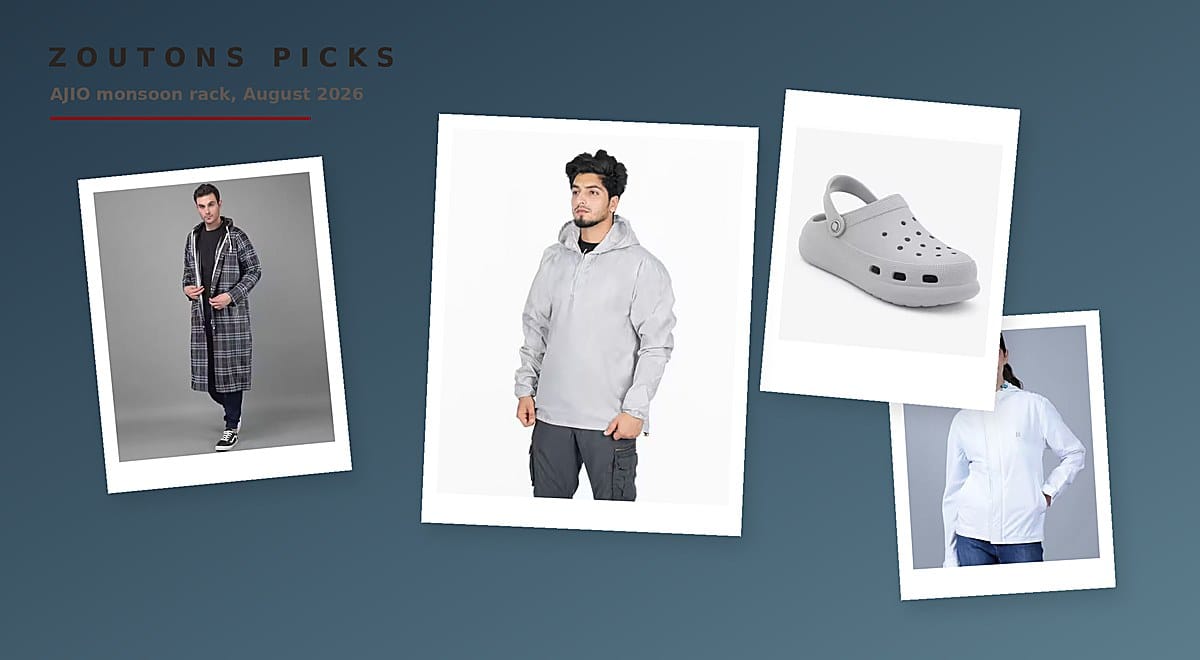
We ran six monsoon queries against AJIO's own search API on August 4, 2026 - sandals, flip flops, rain jackets, sliders, clogs and crocs - and kept the 413 listings that returned a price, a stated MRP and an image. Then we counted one word. Of the 67 rain layers, 31 say waterproof in the title. Twenty-nine are named a raincoat or rain jacket and say nothing at all about water. Three are windcheaters, which is a promise about wind. And the badges run backwards: the listings that state the claim are discounted at a median of 45 per cent, the silent ones at 53 - the deepest badge in the rack, 72 per cent, sits on a jacket described only by its fit, and the most expensive listing at Rs. 8,059 makes no water claim either. On the footwear side, of 346 listings exactly one mentions anti-skid, quick-dry or waterproof; 98 say slip-on and 45 say open-toe. Twenty-three picks, Rs. 316 to Rs. 8,059. AJIO returned no rating on any of the 413, so nothing here carries a rating pill.
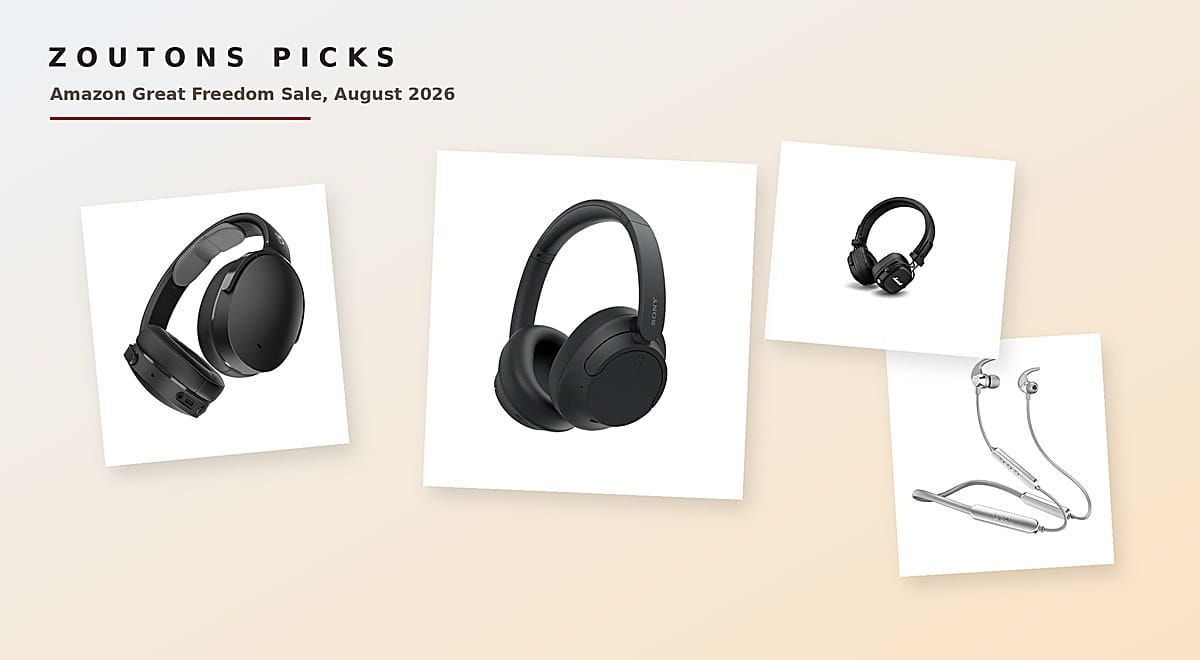
Amazon's Great Freedom Sale banner advertises up to 75 per cent off headphones. On August 4, 2026 we read 68 headphone listings from amazon.in's own search shelf at popularity-rank, then re-verified all 21 seated picks on their product pages the same day. The claim checks out - and it is structurally misleading. The discount runs exactly inverse to brand equity: Sennheiser's median across four listings is 23 per cent, Sony's is 33 with the flagship WH-1000XM6 at just 20, while boAt's 23 listings - a third of the entire shelf - carry a median 60 per cent against MRPs set with the discount already in mind. The badges above 75 belong to Zebronics and Skullcandy, and the single deepest badge in the read, 86 per cent, sits on a Rs. 139 wired earphone. Twenty-one picks from Rs. 649 to Rs. 39,990, every rating shown with its count, every inflated MRP named as one.
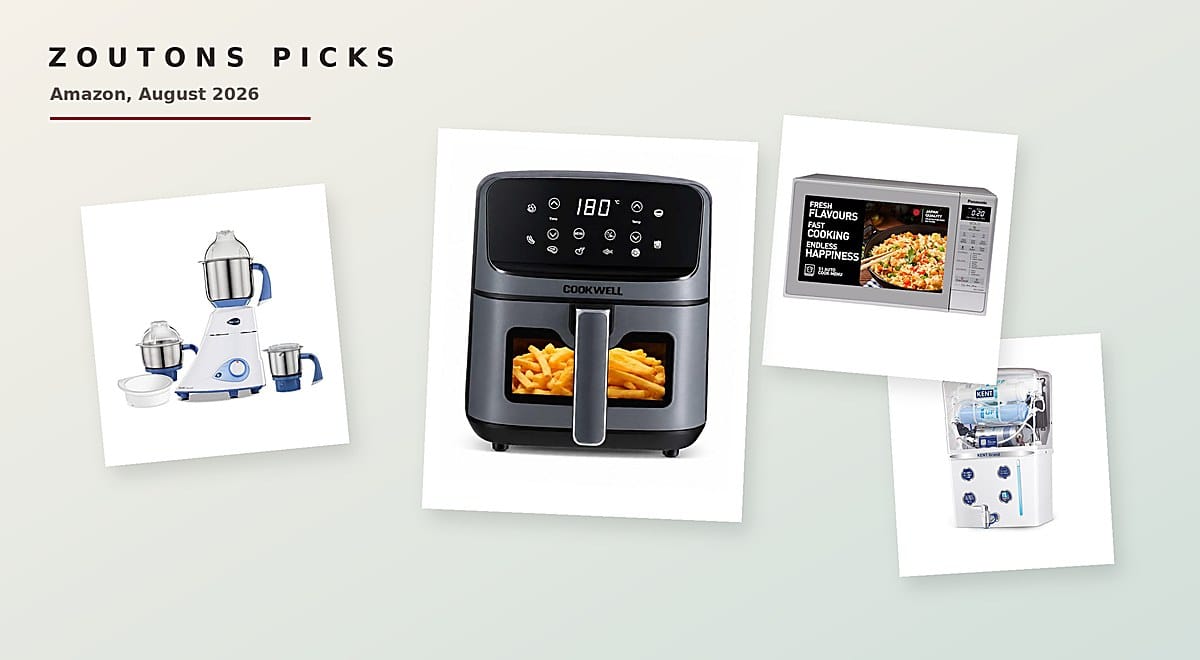
Amazon's Great Freedom Sale banner advertises up to 55 per cent off appliances. On August 4, 2026 we read six kitchen searches within the same hour - air fryer, mixer grinder, microwave oven, vacuum cleaner, water purifier, induction cooktop - kept the 94 organic listings that carried a price, a stated MRP and a rating, discarded seven whose MRP was exactly 100 times their price, and repriced all 23 seated picks on their own product pages. The result is that the discount is a property of the shelf rather than of the sale: air fryers run a median 51 per cent off, mixer grinders 47, vacuums and purifiers 45, induction cooktops 38, and microwave ovens just 19. Where four brands hold an aisle, the sticker means something and barely moves; where the shelf is crowded, the sticker is set to produce a badge. One Panasonic microwave was cut by one per cent. One water purifier by 79. Both were on sale.