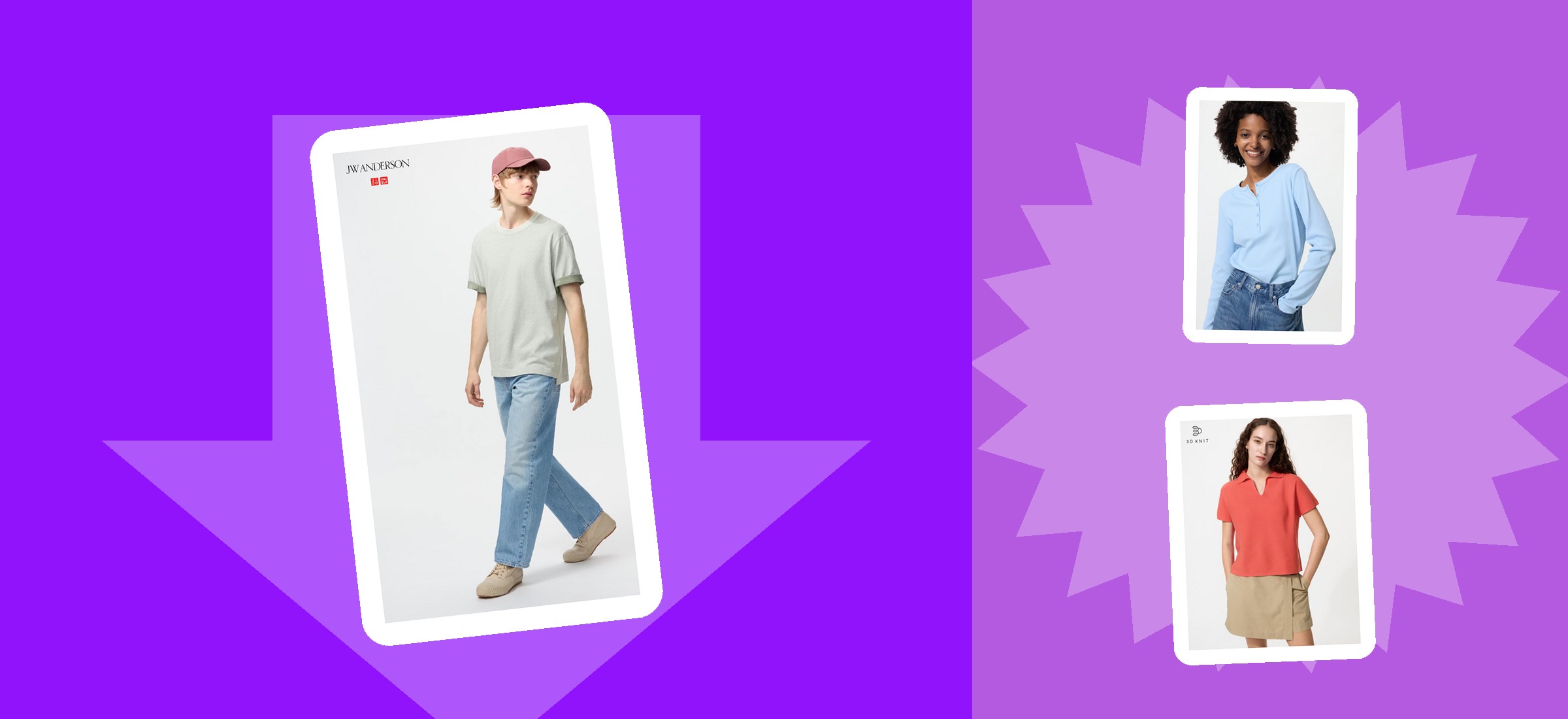
We pulled every product on uniqlo.com/in on 27 August 2026 - 357 of them - and the catalogue turns out to carry just fourteen list prices, each one ending in 90: Rs. 290, 490, 690, 990, 1,290, 1,490, 1,990, 2,490, 2,990, 3,490, 3,990, 4,990, 5,990 and 9,990. A hundred and seven products, three in every ten, are priced Rs. 1,490. Nothing on the site costs Rs. 1,349 or Rs. 2,199. Sixty-eight products are marked down, and every markdown lands on a price that already exists on the ladder, 38 of them on Rs. 990 exactly - so a Uniqlo cut moves a garment down a rung rather than producing a new number. Uniqlo publishes no MRP here at all, so no card on this page shows one. Twenty-three products are seated, Rs. 290 to Rs. 9,990, with rating pills only where a real count exists - and only 85 of the 357 have one.
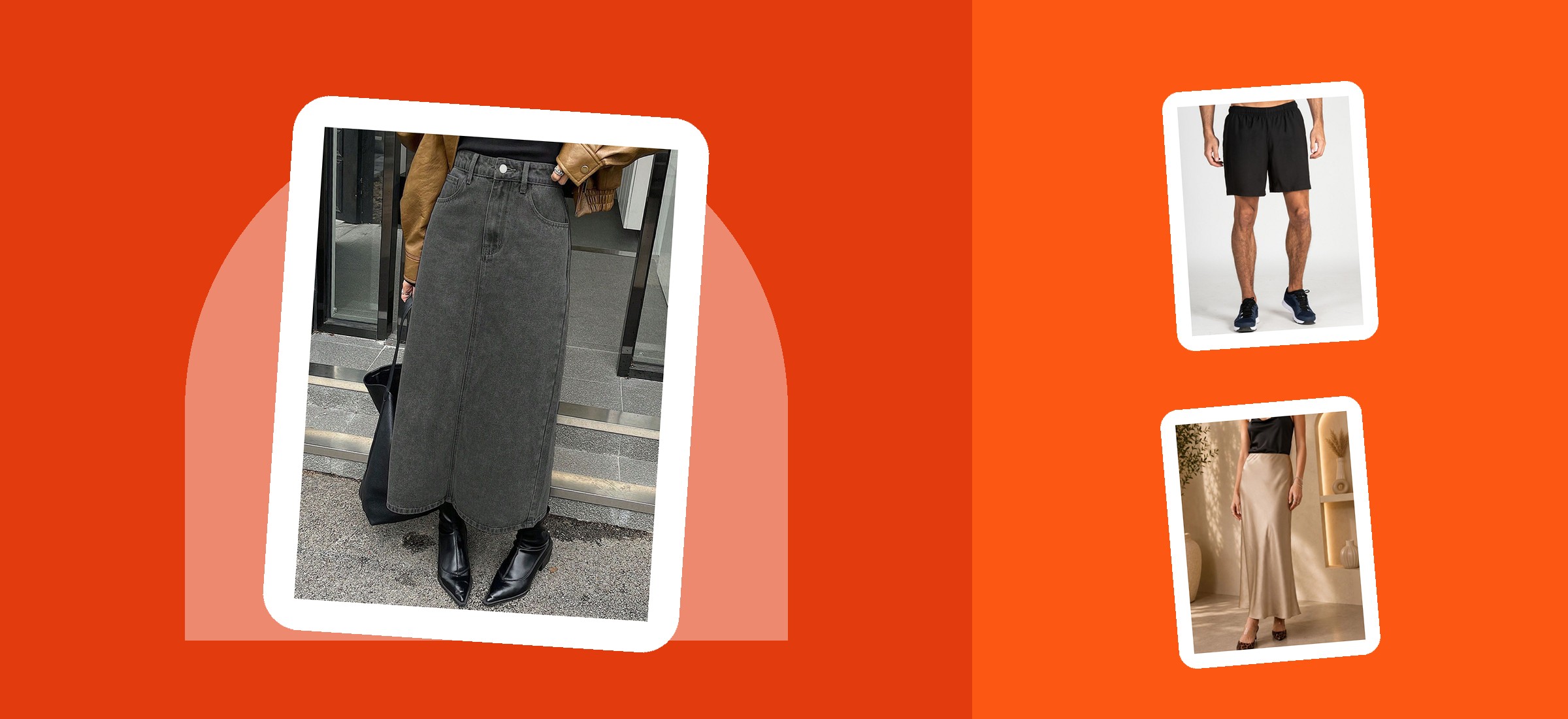
We read 100 listings across Myntra's men's shorts, women's shorts and women's skirts shelves on 27 August 2026 - every one returned a price, an MRP and an image - and seated 21 of them, Rs. 305 to Rs. 983. The selling prices of all three aisles sit in the same band, but the discount badges do not: the median is 47 per cent on men's shorts, 55 on women's shorts and 66 on women's skirts. The gap is entirely in the stated MRP. A U.S. Polo Assn. lounge short sells at Rs. 713 off a stated Rs. 849, a 16 per cent badge; a satin maxi skirt sells at Rs. 824 off a stated Rs. 3,999, a 79 per cent badge. Rs. 111 apart in what you pay, Rs. 3,150 apart in claimed worth. We also found Myntra pooling rating counts across style families - four U.S. Polo listings all show 9,383 ratings - and one Roadster short listed three separate times.
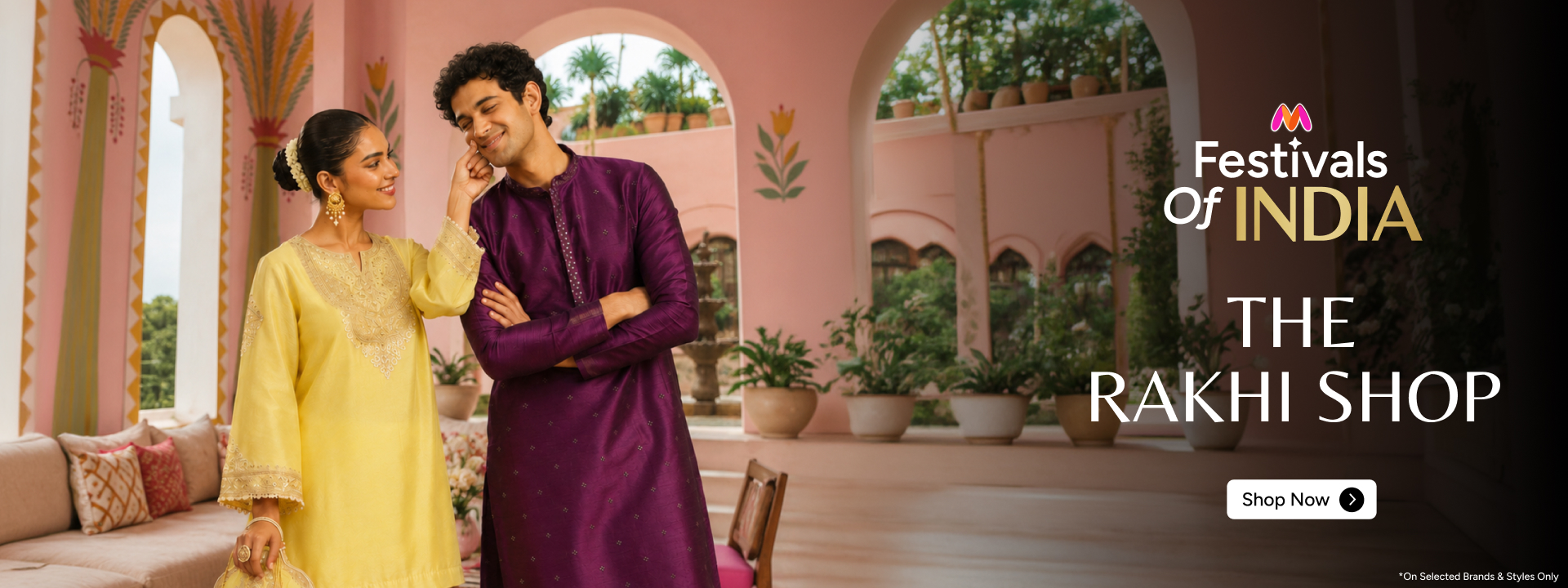
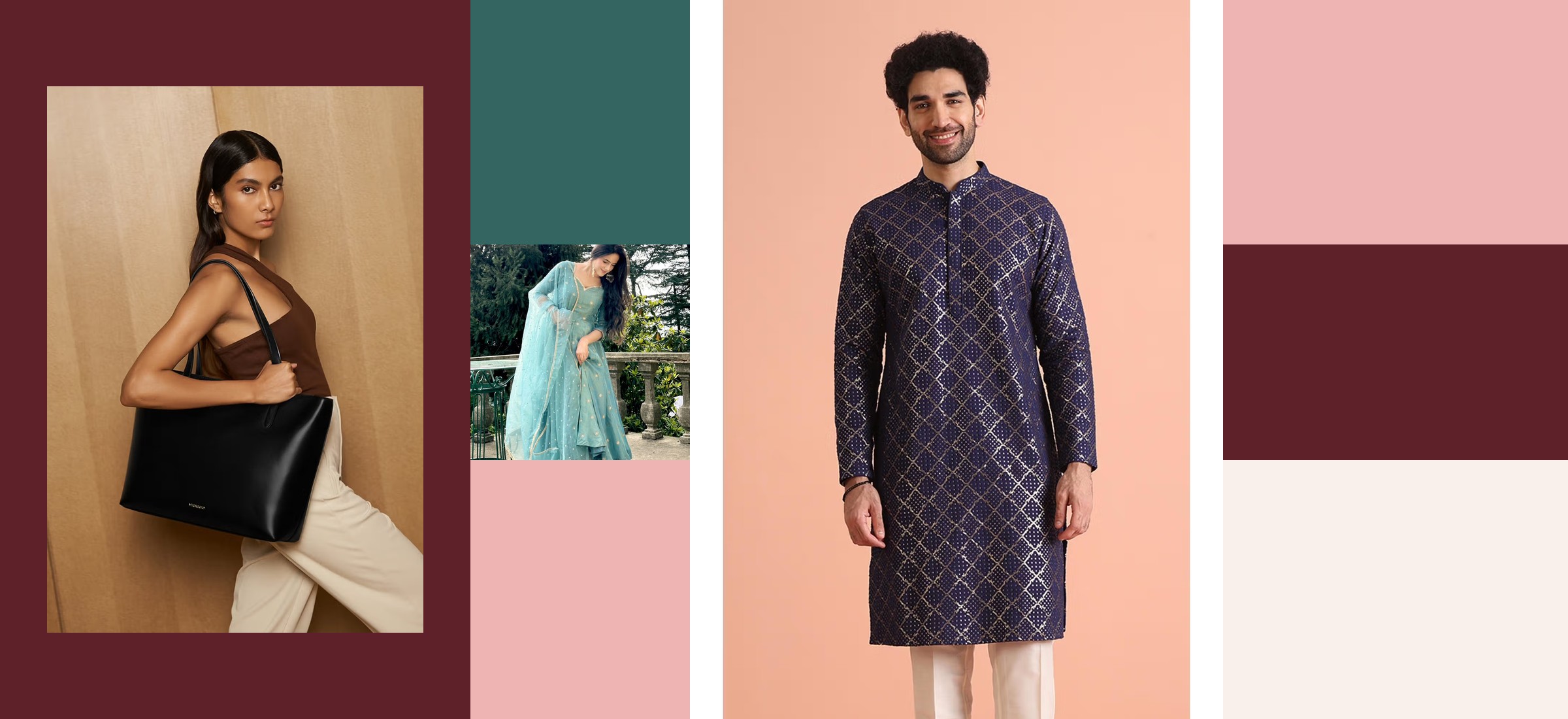
Raksha Bandhan is tomorrow — Friday, August 28 — and Myntra's Festivals of India banner is hanging over a dedicated Rakhi Shop stocked for the occasion. This sweep covers the outfit question for both sides of the rakhi: 19 picks priced live on August 27, from a Rs. 747 Varanga steal and a 32,261-review chanderi set, through ready-to-wear sarees and lehengas that need no tailor, to men's kurtas from Rs. 741 and the embroidered Nehru jacket that upgrades all of them. A finishing-touches chapter — jhumkas, mojaris, two dupattas — closes the outfits from Rs. 402 up. Every price, MRP and rating was verified the day we published.
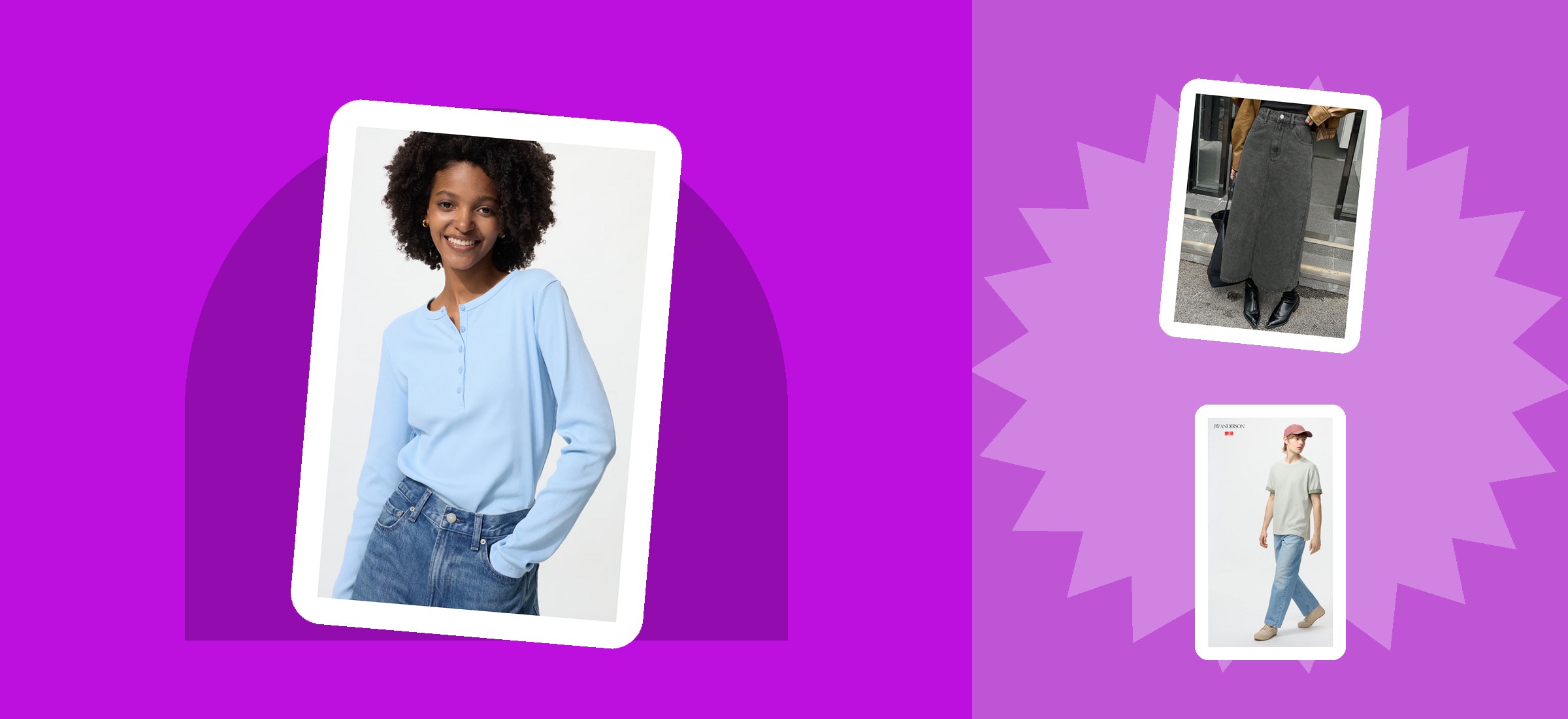
We read both storefronts on 27 August 2026 - Uniqlo's entire 357-product India catalogue and 100 listings across three Myntra shelves - and they price in opposite ways. Uniqlo uses fourteen list prices, every one ending in 90, with 107 products at Rs. 1,490 and no MRP published anywhere; its 68 current markdowns all land on prices the ladder already uses, 38 of them on Rs. 990 exactly. Myntra prices each listing against its own MRP, and the badge tracks the aisle rather than the garment: a median 47 per cent on men's shorts, 55 on women's shorts and 66 on women's skirts, on selling prices that overlap. The evidence runs the other way - 71 per cent of Myntra listings carry ratings, with counts to 18,975, against Uniqlo's largest count of 60 - though Myntra pools those counts across style families.
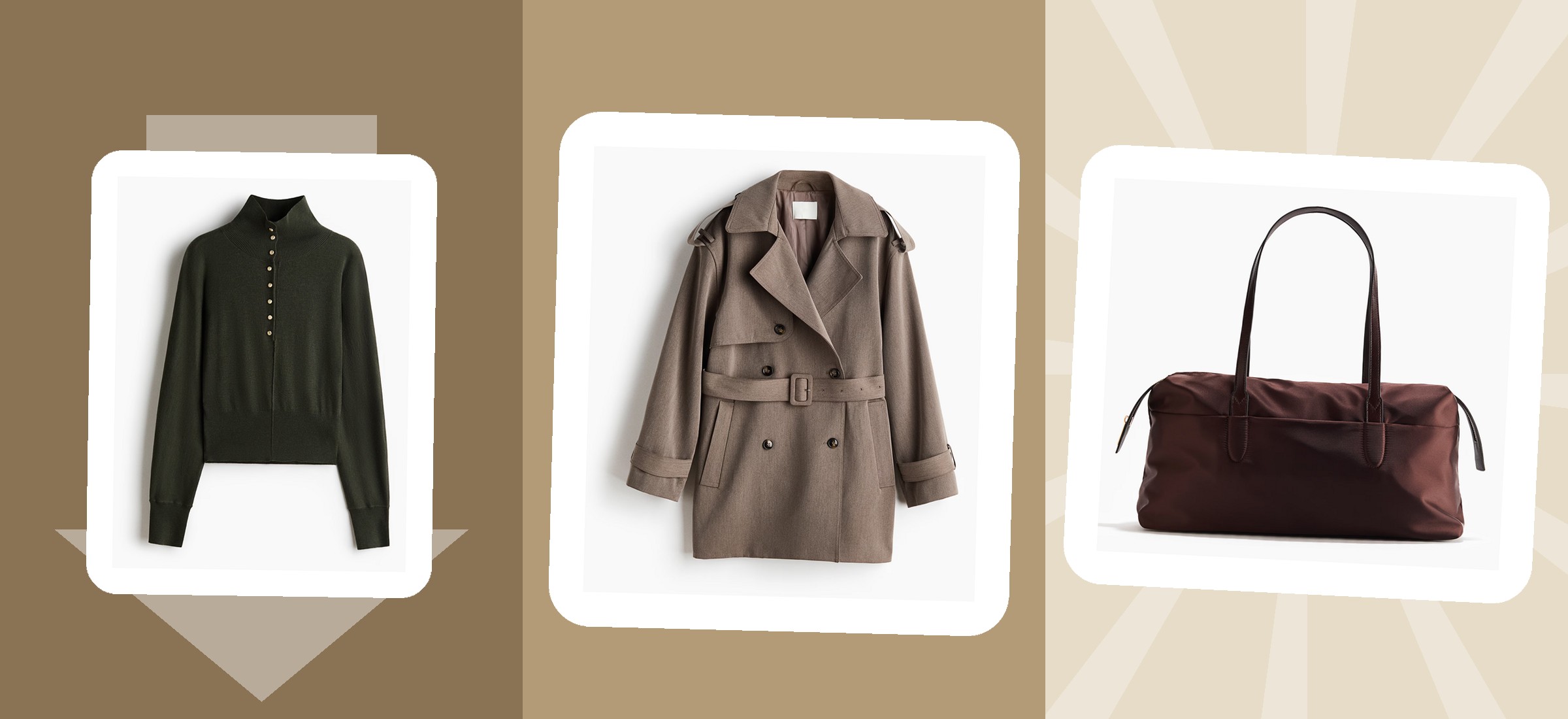
H&M's early-autumn drop is the rare fast-fashion moment where the safest pieces are also the best ones — and international style press has already picked the wall clean. We re-curated the angle for the India store: 19 anti-trend basics swept live from www2.hm.com/en_in on 27 August 2026, from a Rs. 589 ribbed tee in this season's burgundy to the Rs. 5,499 short trench that opens the drop. In between: fine-gauge knits that actually make sense in an Indian October, the wide jeans H&M's own swatch wall says it expects to sell out (15 colourways live), barrel shapes in twill and denim, a chocolate East-West shopper, and satin ballet flats. Every piece owns a distinct job — no lookalikes, no logo pieces, nothing that dates by Diwali.
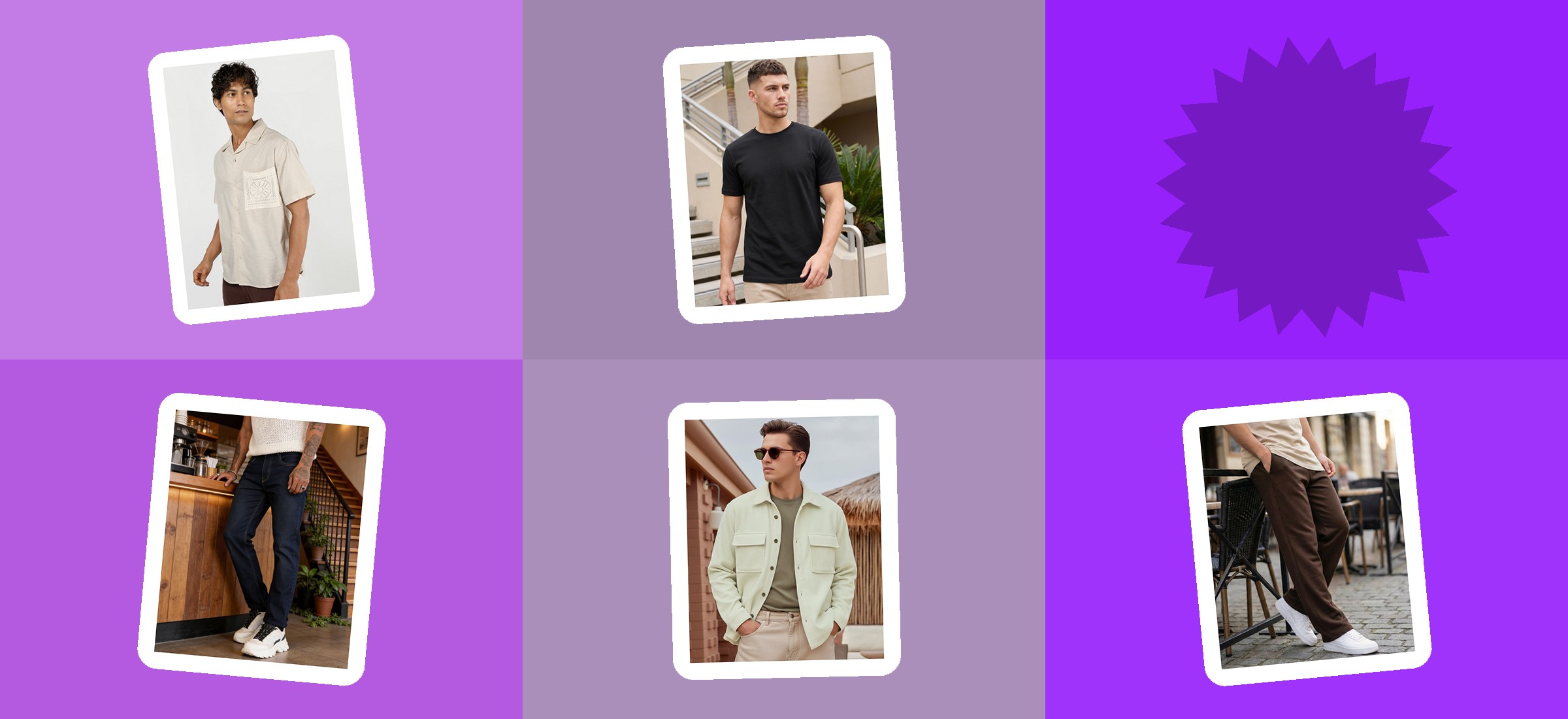
Capsule Wardrobe 101, built from one store. We read Bewakoof's plain-tee, casual-shirt, jeans, jogger and jacket category pages on August 27, 2026, and picked 18 pieces — at least three per category — that all live inside one five-colour neutral band: black, white, beige, brown, blue denim and a single muted green. The rule was pairing mileage: every piece had to work with at least five others, so the four tees, four shirts, four jeans, three joggers and three jackets multiply into dozens of outfits instead of eighteen. The evidence came from Bewakoof's own review counts — the white tee carries 1,431 ratings at 4.7, the black tee 1,403 at 4.8, the chocolate track pant 966 at 4.6 — and the prices run Rs. 449 to Rs. 2,299. The full 18-piece edit costs Rs. 21,882 at the prices we read; the nine-piece starter capsule marked inside the picks lands at Rs. 8,991. Seasons are covered, not assumed: linen for summer, a hooded shell for monsoon, corduroy and a reversible puffer for winter.
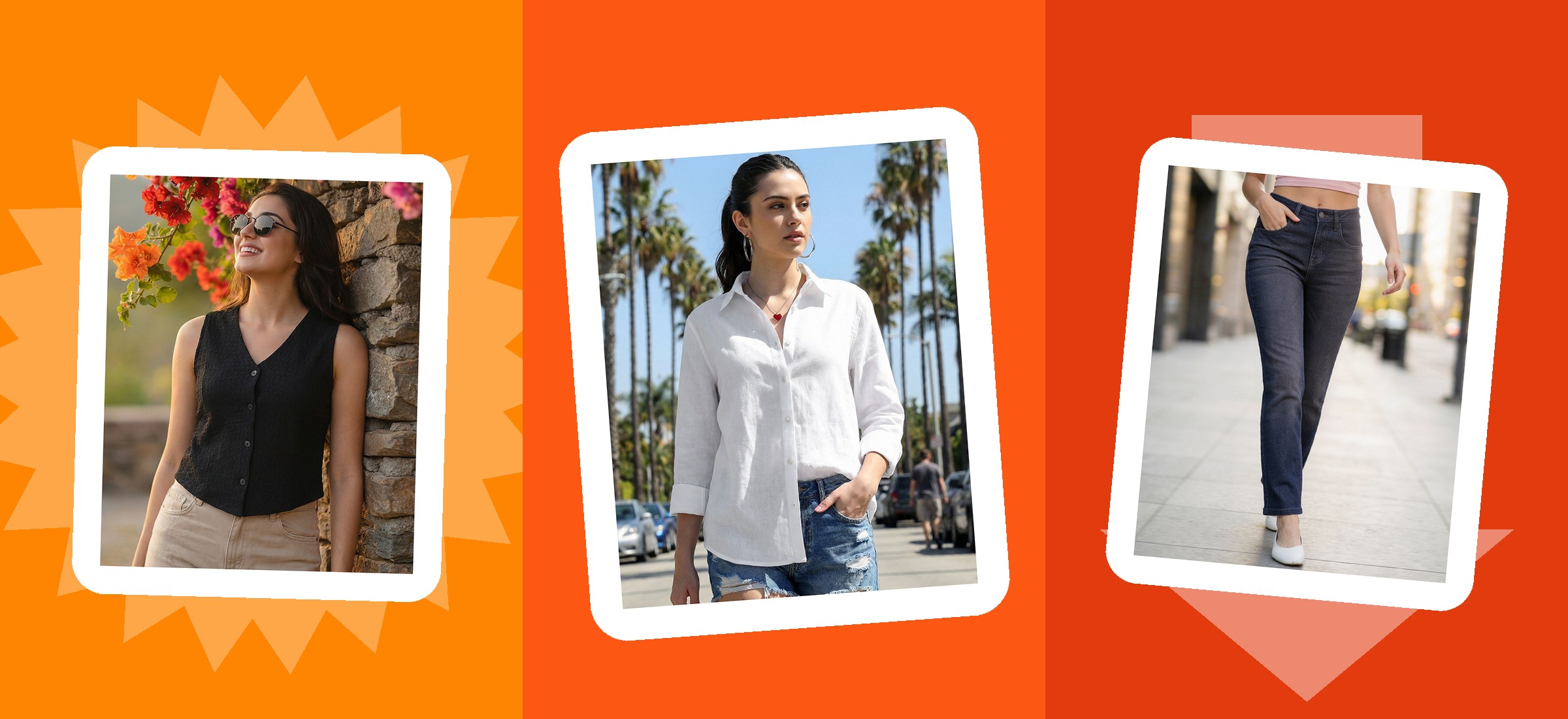
The women's answer to our Bewakoof capsule: 18 pieces read off the brand's own tops, shirts, jeans, dresses and jackets pages on August 27, 2026 — and this time the job was filtering, because Bewakoof's women's walls run on slogan prints and cartoon licences. Every pick here is plain, textured or washed, never printed, inside one neutral band of black, white, beige, brown and blue denim with sky blue and sage as the two soft accents. The crowds did the ranking: the two biggest in our whole read, 974 and 966, sit on one slim-straight ankle jean in two washes, and the tops wall's two largest, 964 and 963, sit on the same plain textured top in black and mocha — the quiet pieces are what Bewakoof's buyers actually purchase most. Three picks minimum per category, prices Rs. 899 to Rs. 1,999, the full edit Rs. 23,362, the nine-piece starter Rs. 10,321. Linen for June, dark denim for the monsoon, three layering weights for winter: one closet, all three seasons.
Puma India runs five checkout offers at once - an extra 10% off your first order, 10% above Rs. 4,999, 10% on two or more items, a prepaid 5%, and a no-return coupon - but its own terms say they cannot be stacked. We read the full Promotions and Sale page on in.puma.com and lay out how each offer triggers, why the first-order discount sometimes fails to appear, and which single offer saves the most on your cart.
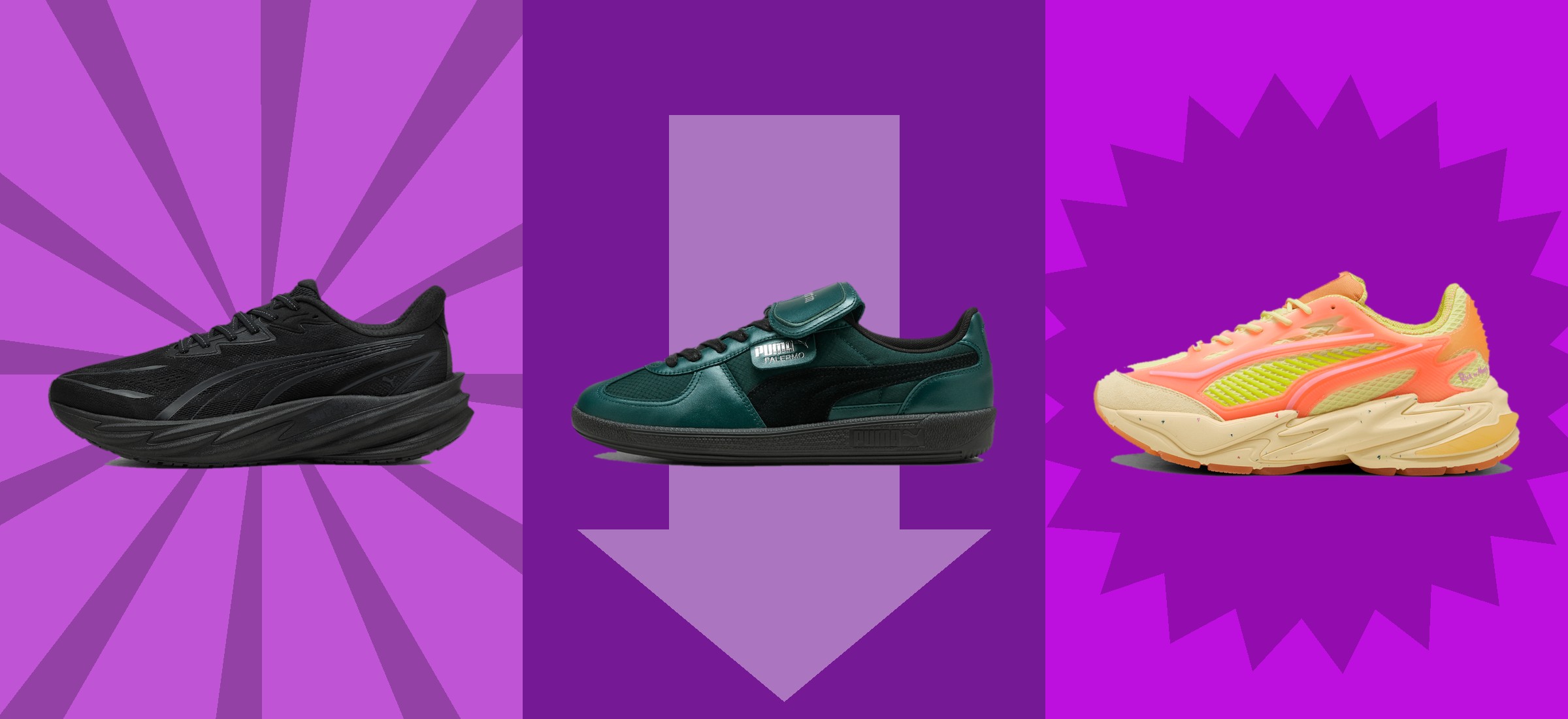
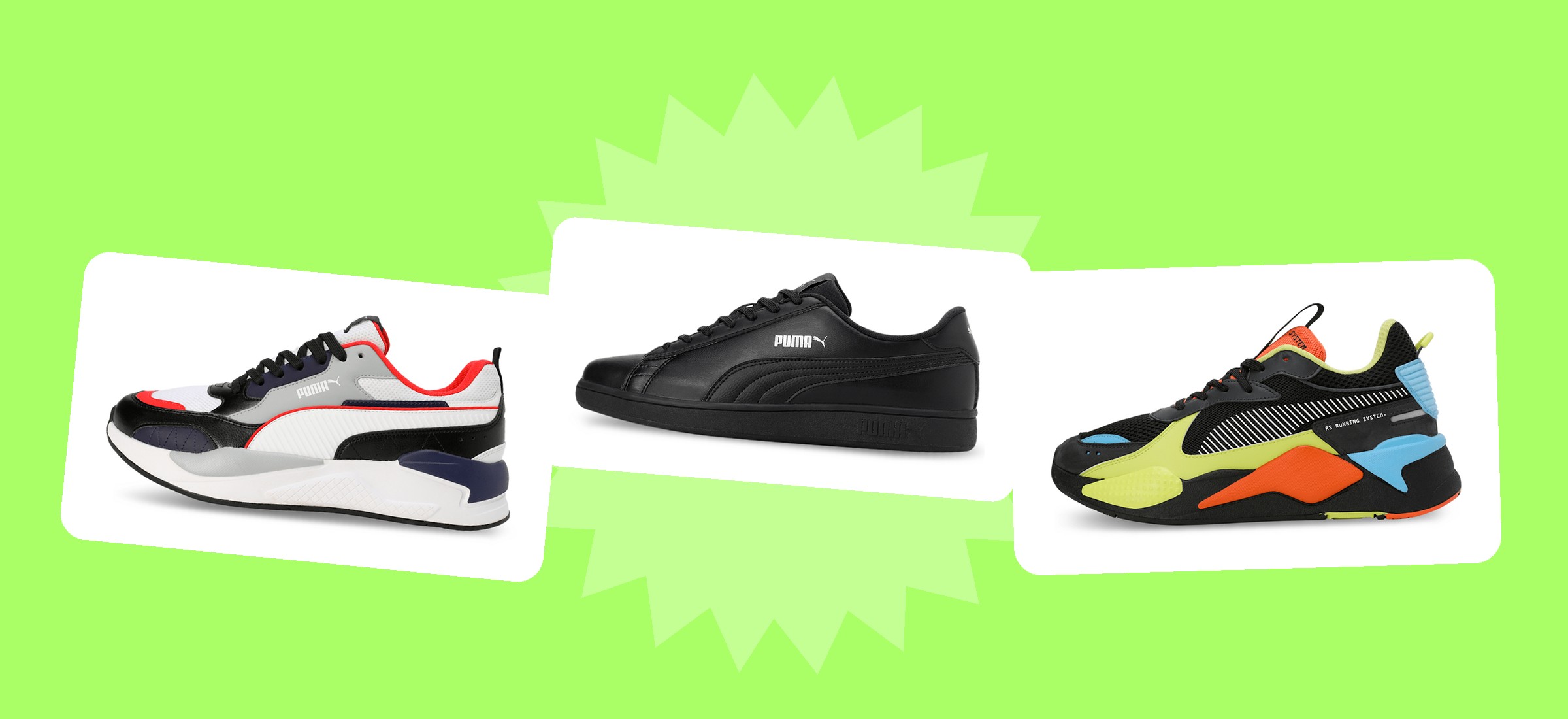
Puma's own sneaker wall, filtered by budget and swept live on August 26, 2026: 22 pairs across three price bands — under Rs. 3,000, Rs. 3,000-5,000, and Rs. 5,000-10,000. The floor is the Smashic at Rs. 2,024; the sweet spot is the X-Ray 2 Square at 55% off; the ceiling is the BMW M Fade at Rs. 8,249. Every price and MRP was read from in.puma.com's listing pages the same day, and every pick owns a distinct job — best overall, biggest steal, the F1-weekend shoe. Roles, not rankings.
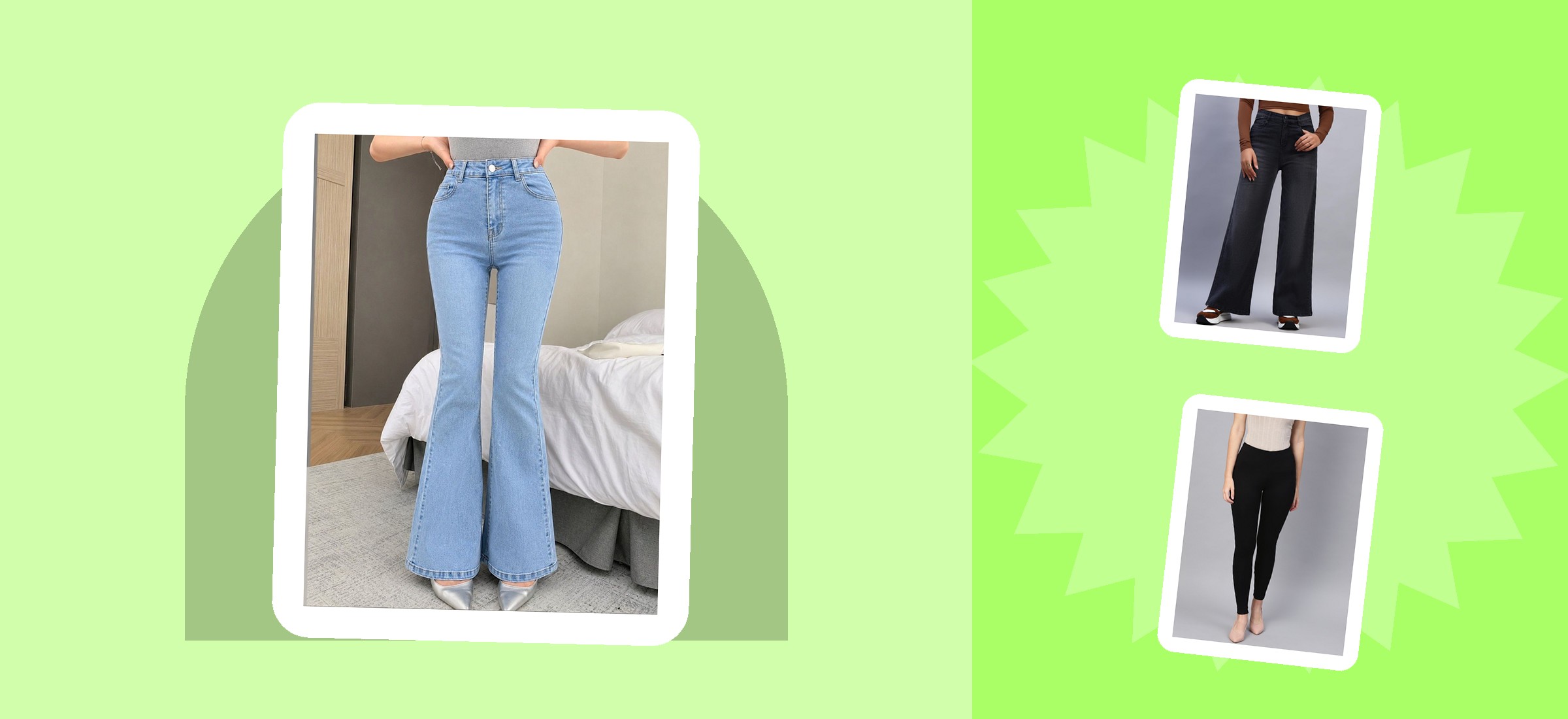
We read Myntra's women's jeans and jeggings shelves on 25 August 2026 from the store's own listing data and seated 25 listings priced Rs. 433 to Rs. 1,499. The badge on this shelf runs backwards. Every listing under Rs. 650 carries a discount claim between 68 and 80 per cent, off stated MRPs of Rs. 1,999 to Rs. 2,999 that belong either to marketplace sellers or to Myntra's own Roadster house label - four near-identical Roadster stretch jeans in this read are badged 60, 68, 76 and 80 per cent in the same week. At the top of the range sit H&M and Go Colors at Rs. 1,499 with no discount at all, because a brand that prices the same garment in its own shops has no inflated list price to reduce from. The best-rated pair on the page is a LYRA jegging at Rs. 859, badged 34 per cent, rated 4.5. Myntra also pools rating counts by brand - four KASHIANXSTYLE colourways all returned exactly 12,000 - so we seated one listing per pool. Every figure here is Myntra's own.
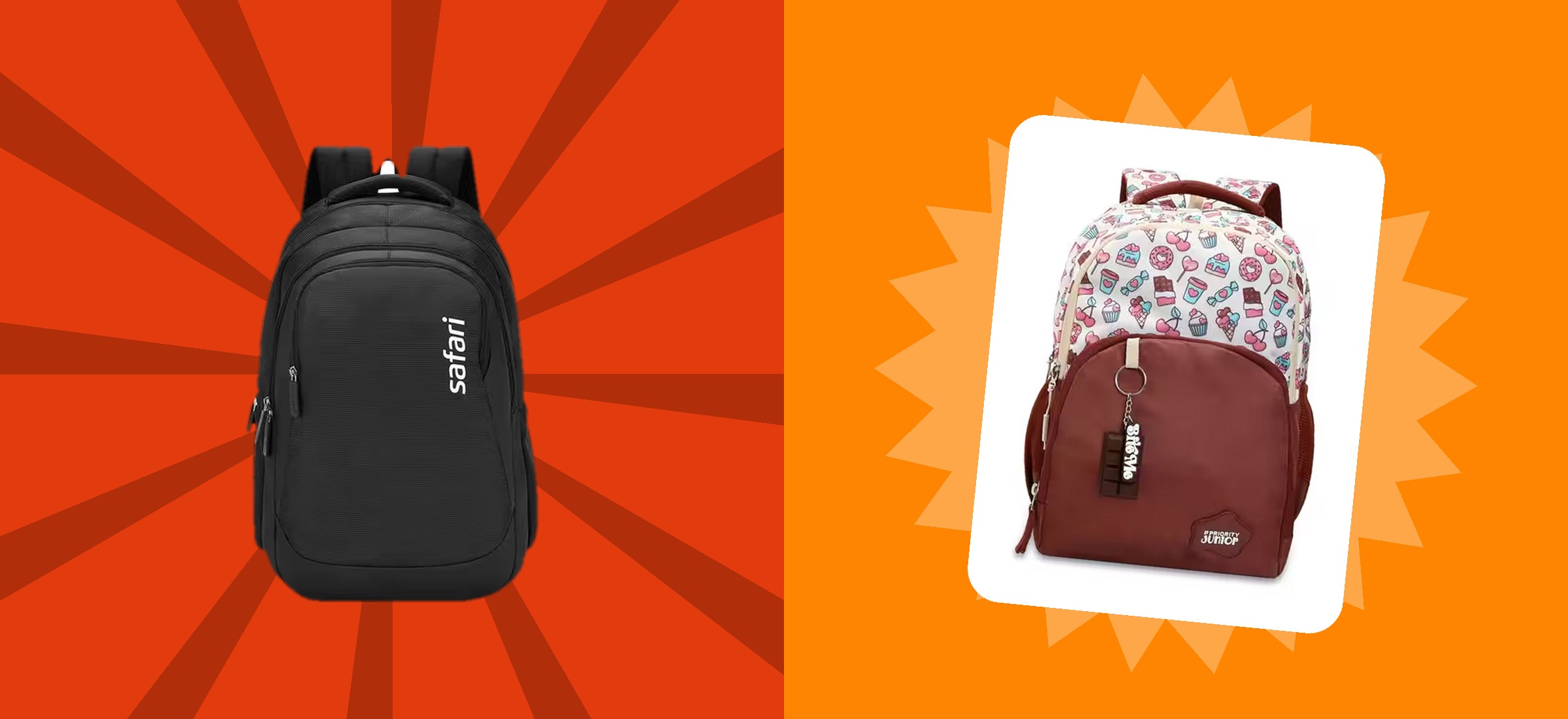
We read AJIO's backpack and laptop bag shelves on 25 August 2026 from the store's own listing data and seated 25 listings priced Rs. 120 to Rs. 1,109. The word 'backpack' on this shelf covers at least four different products - a flat laptop sleeve, a slim shoulder carry bag, a school pack, a hiking pack and a true laptop backpack - and the only specification that tells you which one you are buying is capacity in litres. Twelve of the 25 state one, from 10L to 41L; thirteen describe size with adjectives instead. Where a listing gives an inch figure, that is the laptop it takes, not the bag: Skybags' Lumous is sold as '17 Inch' and states 16 litres. The badges run the way they always do - Decathlon, Puma, Benetton and Wildcraft, which all have shops, discount by a median 25 to 60 per cent, while online-only bag labels claim 70 to 82. AJIO publishes no ratings for any of these 151 listings, so no card here carries a rating pill. Every figure is AJIO's own.
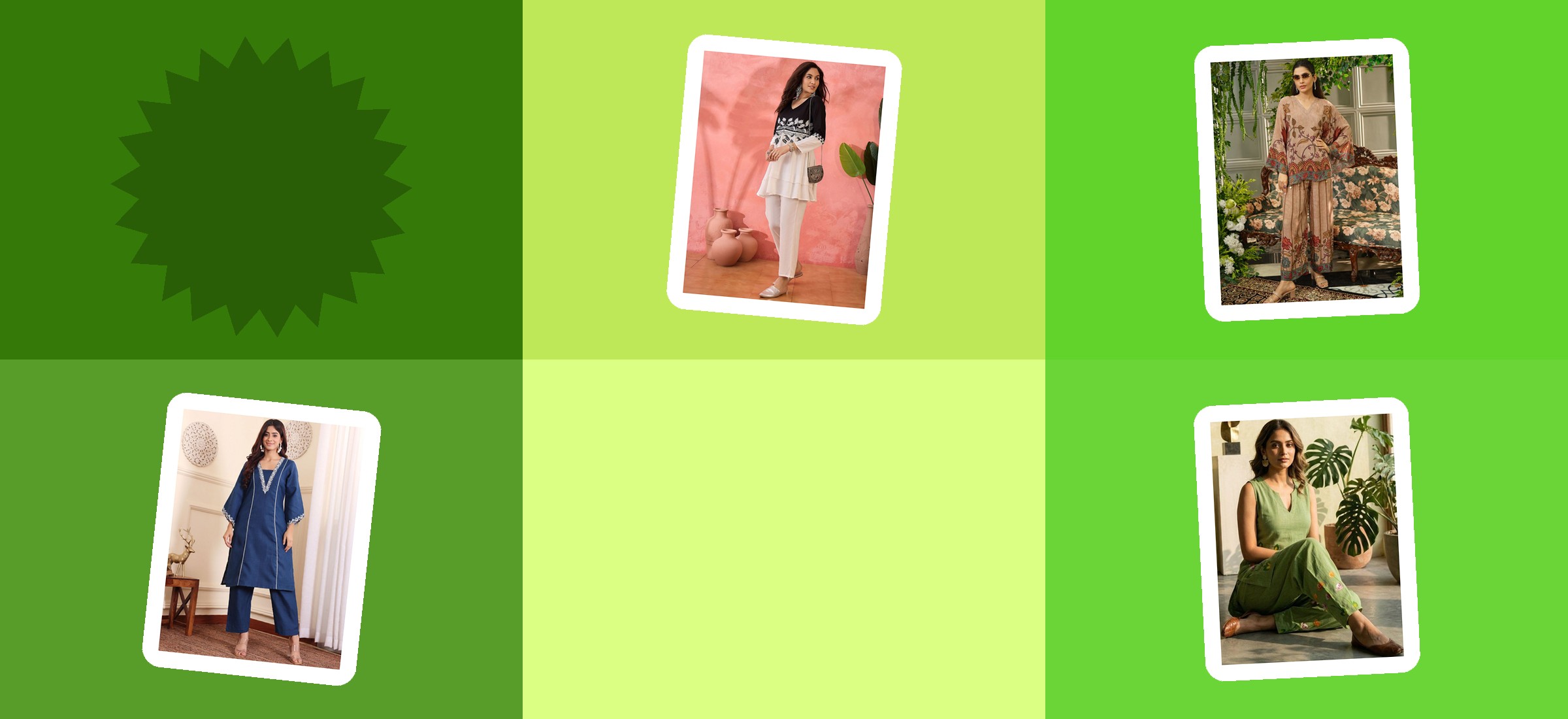
We read Myntra's women's co-ord shelf on 25 August 2026 from the store's own listing data across five pages and seated 25 sets priced Rs. 610 to Rs. 1,537. Two things make this shelf hard to shop. The first is that the stated MRPs are not comparable: sets selling within Rs. 927 of each other carry list prices from Rs. 1,399 to Rs. 9,415, and the deepest claim here is 88 per cent off Rs. 9,415 on a set priced Rs. 291 above one claiming 41 per cent off Rs. 1,399. The second is that rating counts are pooled across a brand's linked catalogue. Sangria shows the identical 10,310 count on two different co-ords on this page; one Janasya design appears five times at Rs. 950 to Rs. 957 with four different counts. Only eight of the 25 name a fabric. And 'co-ord set' here covers a doctor's five-pocket scrub suit and a sweatshirt-and-joggers set alongside the ethnic tunics. Every price, MRP, rating and count is Myntra's own.
Raksha Bandhan lands on August 28 this year, and Nykaa Fashion has built a dedicated Rakhi gifting store for it. We swept its Rakhi Gifts, Rakhi 2026 and Rakhi Looks for Men shelves on August 25 and kept 22 picks with live prices — a Miraggio office tote at 25% off, a Lavie at 69%, an Armani Exchange chronograph at half price, festive kurtas for both sides of the rakhi, and a full under-Rs. 1,000 chapter that starts at a Rs. 300 genuine-leather belt. Every pick carries its role: best overall, biggest steal, best festive fit, best for the sibling still in school.
MUJI's official India storefront runs on AJIO, and its sale banner currently promises up to 50% off. We swept the storefront's End of Season Sale rack, stationery shelves and clothing collections live on August 24, 2026, and kept 17 pieces — every price read from the listing itself, including the lower 'offer price' the store applies automatically at checkout. The cuts peak at 51% on lyocell pillow cases, run 44% deep across the bedding wall, and bottom out at a Rs. 175 collection binder. One honesty note up front: MUJI's storefront does not display buyer ratings, so unlike our marketplace sweeps, these picks lean on sale depth and the range's reputation — we say which is which in every card.
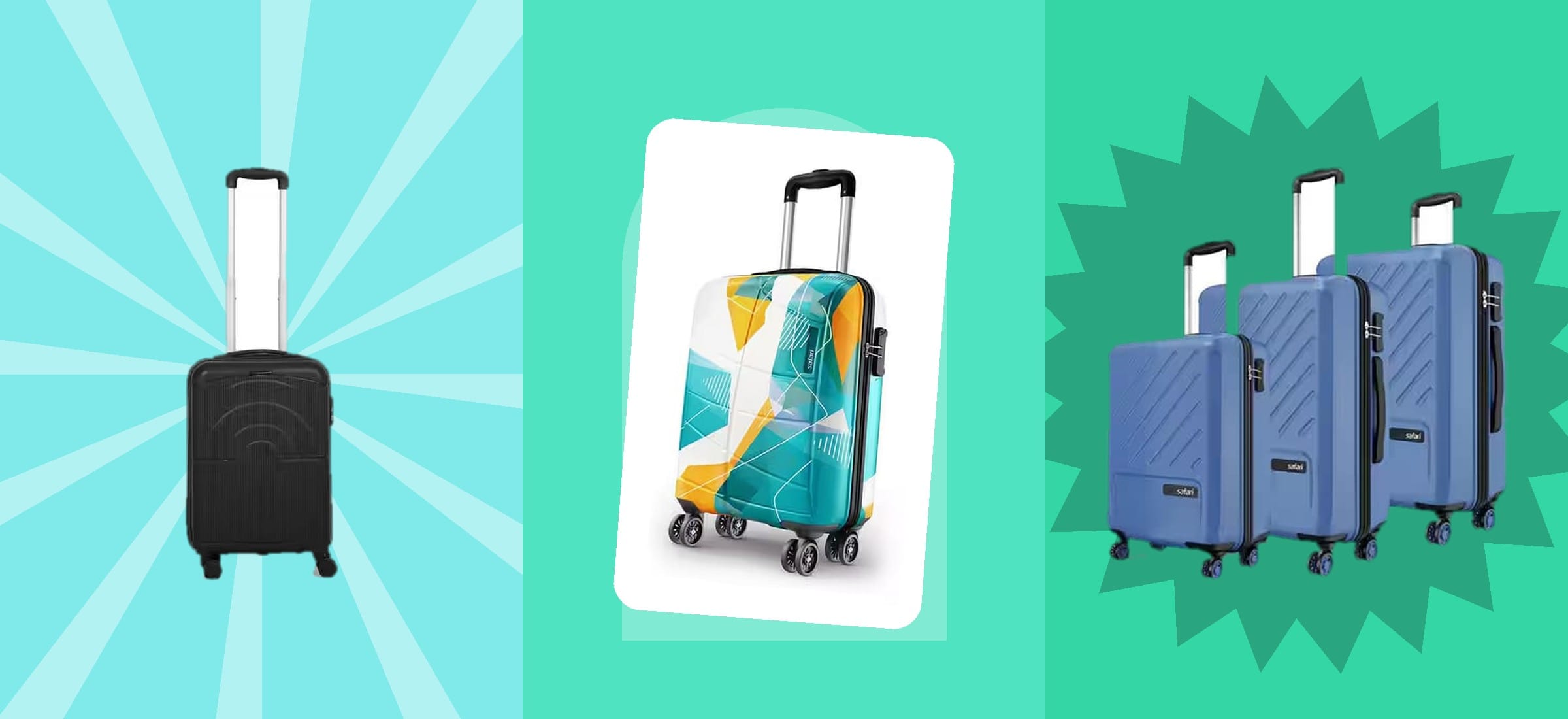
We read 220 AJIO luggage, trolley and travel-backpack listings on 24 August 2026 and seated 22, priced Rs. 1,174 to Rs. 28,000. The discount badge on this shelf belongs to the brand rather than the bag: TEAKWOOD LEATHERS, Nasher Miles, SAFARI and ARISTOCRAT carry median discounts of 76 to 80 per cent, while MOKOBARA sits at 51, Tommy Hilfiger at 54 and Decathlon at 21. The clearest illustration is a Benetton polycarbonate cabin case at Rs. 1,809 on a 60 per cent badge, which is within a few hundred rupees of the cases badged at 82 per cent - the deep badge and the honest one arrive at the same real price. Stated MRPs on the deep-discount brands run to seven times the selling price and we name that rather than call it a saving. Two other things matter here: a TSA-approved lock, the specification that decides whether security cuts your case open abroad, starts at Rs. 1,650; and not one of the 220 listings carries a rating or a review count, so no card on this page has a rating pill.