India spent a record Rs. 6.05 lakh crore between Navratri and Diwali 2025, a quarter more than in 2024, and online festive sales are forecast to cross Rs. 1.5 lakh crore in 2026. This living page collects the verified numbers behind the season: CAIT's total trade series, Redseer's e-commerce GMV, what Amazon, Flipkart and Myntra reported after their 2025 sales, the Tier-2 and Tier-3 shift, category shares, quick commerce's rise to 16% of online festive spending, UPI's record Diwali, and the 2026 dates, with Great Indian Festival and Big Billion Days both opening on 8 October and Diwali on 8 November.
Flipkart's own Big Billion Days store page says the sale kicks off on 9 October 2026 — it is not live in September, whatever the “up to 90% off” headlines say. So we recorded the baseline instead: 381 Flipkart listings read on 21 September 2026 across phones, laptops, TVs, air conditioners, washing machines, running shoes, headphones and kurta sets. The median pre-sale discount badge is already 52 per cent, and 33 listings already show 80 per cent or more. All 115 listings badged at 70 per cent or more came from just three categories — kurta sets, headphones and running shoes. No phone, laptop, TV, AC or washing machine reached 70 per cent. Exactly one listing hit 90 per cent: an earbud at Rs. 1,376 against a stated Rs. 13,999, with three ratings. Full price tables below, to check against on 9 October.
Flipkart's own Big Billion Days landing page, read on 21 September 2026, states that the sale "will kick off on 9th October 2026" - and describes a pre-sale programme that has not been widely reported. The Curtain Raiser "provides you with an early opportunity, with selected products opening up at BBD rates five days before the main sale", which by our arithmetic is 4 October, though Flipkart publishes the interval rather than the date. Alongside it: a SuperCoin funfair, an hourly BBD Countdown Cheat Sheet and a Count Down hour. What Flipkart does not publish is an end date, any discount percentage, or which products open early. We quote the page in full and invent nothing.
Five days before Flipkart's Big Billion Days 2026 opens, the platform has switched on its Early Bird Deals page — a wishlist-only teaser, live from 24 September, that shows no prices yet and simply asks shoppers to shortlist what they want. This explainer breaks down what the Early Bird page actually does, how it connects to the two real access windows that follow (Plus/Black/Credit Card early access on 8 October, the public sale on 9 October), the bank offers already confirmed, and the specific wishlist habits worth building this week so the first hour of the sale isn't spent hunting instead of buying.
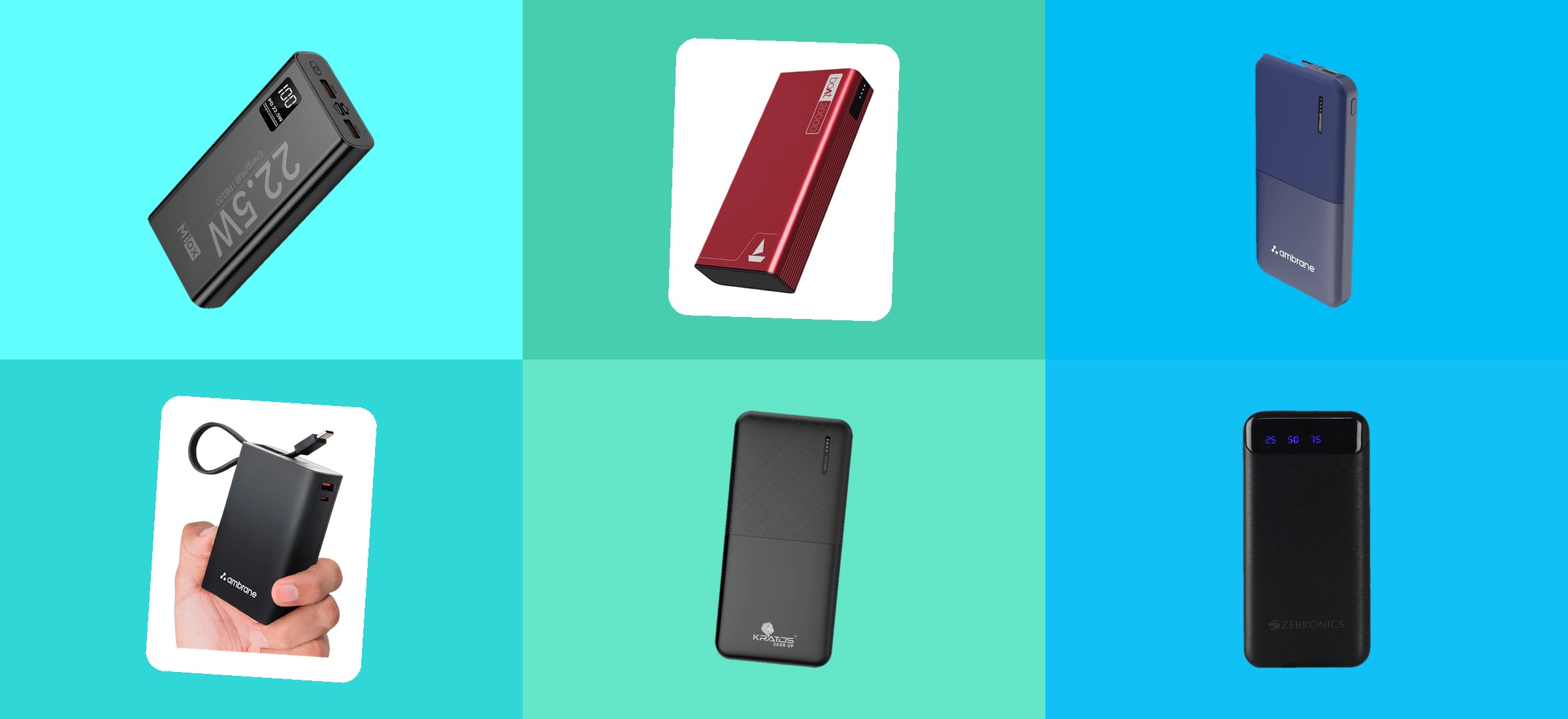
We read Flipkart's power bank shelf on 18 September 2026 across three queries. One hundred and eighty-two listings came back carrying both a checkout price and a stated MRP; 107 were distinct products and 26 are seated here, Rs. 408 to Rs. 7,499. Every listing states a capacity in its own title, so we priced each per 1,000mAh of that claim. It runs from Rs. 5 to Rs. 375 - a seventy-five-fold spread that no single commodity can have. At the cheap end the claims stop being physically possible: 200,000mAh in a 'Compact Pocket Size' body at Rs. 994 is about 740 watt-hours, seven times what an airline carries in a cabin without approval and three to four kilograms of cells. Six separately branded listings sit at Rs. 992 for the same claim with MRPs from Rs. 2,999 to Rs. 4,999. And the mildest discount badge on the page, 14 per cent, belongs to the one brand you can buy in a supermarket.
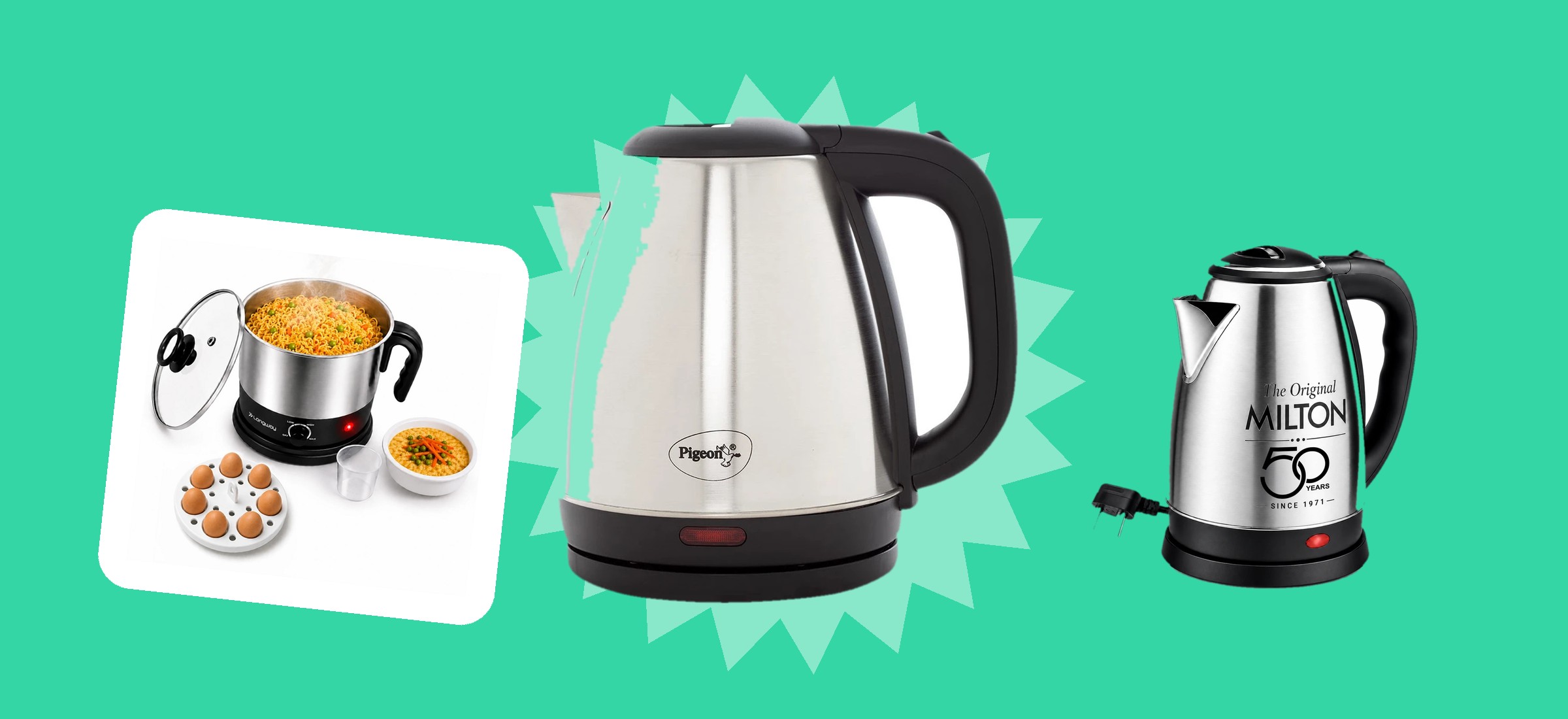
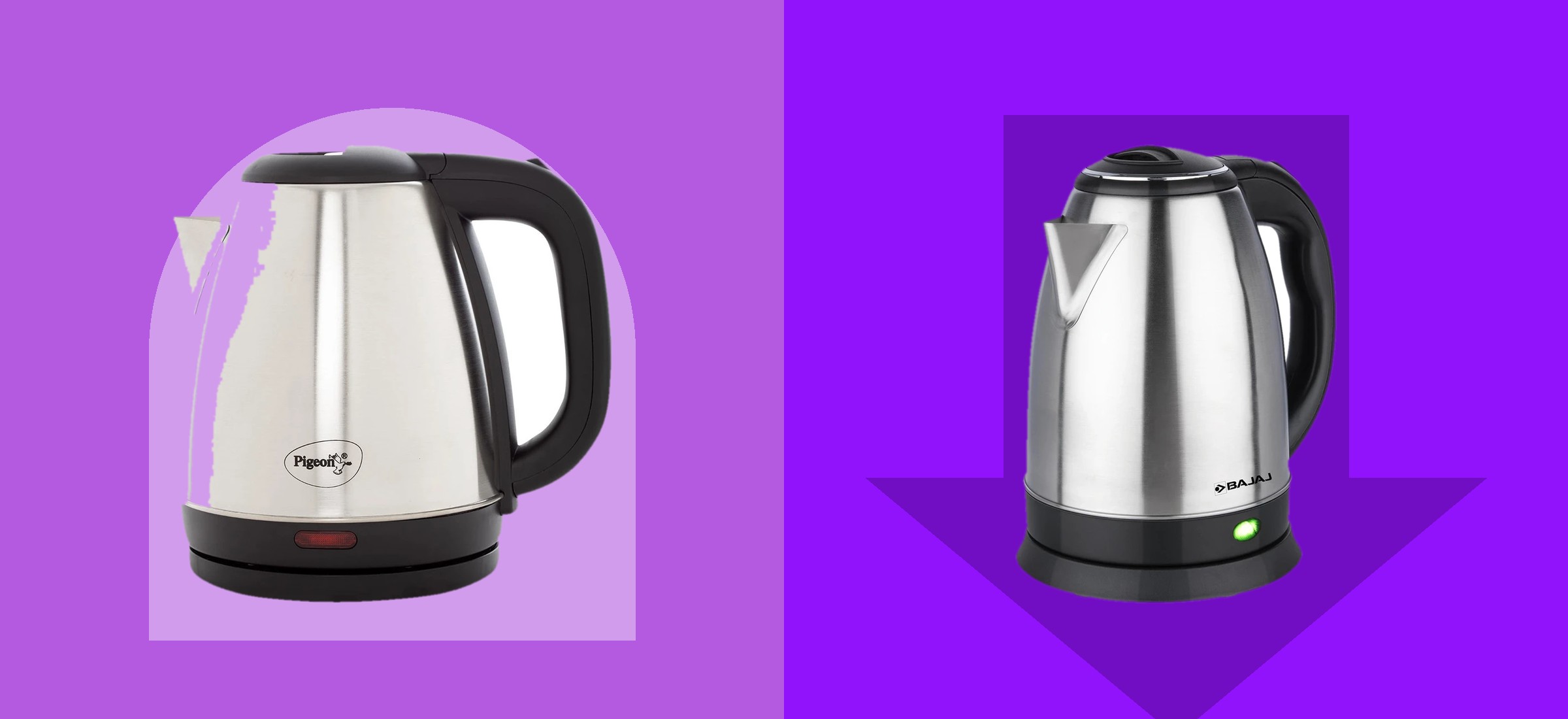
We read Flipkart's electric kettle shelf on 18 September 2026 and seated 24 listings, Rs. 399 to Rs. 1,699. The finding that changes how you shop it: Pigeon's Favourite kettle is on the shelf twice, at Rs. 499 and at Rs. 786, carrying the identical 673,026 ratings - and the dearer listing advertises the smaller discount, 34 per cent against 63, because each seller picks its own crossed-out figure. Pigeon's multi-cooker repeats it at Rs. 865 and Rs. 1,072. The rating count is what gives it away, and it is reliable: two Prestige kettles at an identical Rs. 699 carry different counts, because they are different kettles. Beyond that, this shelf publishes almost nothing - four of 33 listings state a capacity and two state a wattage.
On 18 September 2026 we read four Flipkart shelves and found the same product listed more than once, at more than one price, on three of them. Pigeon's Favourite Electric Kettle was on sale at Rs. 499 and at Rs. 786 simultaneously; its Favourite Multi Cooker at Rs. 865 and Rs. 1,072. In both cases the dearer listing advertised the smaller discount, because each seller chooses its own crossed-out MRP as well as its price. The fingerprint that identifies a duplicate is the rating count: Flipkart pools feedback per product, so two listings showing the identical count - 673,026 on the Pigeon pair, 252,057 on a boAt power bank pair - are one product. Different counts mean different products even at the same price. The one exception is a brand-series pool, where four cello dinner sets at four prices all showed 197,032.
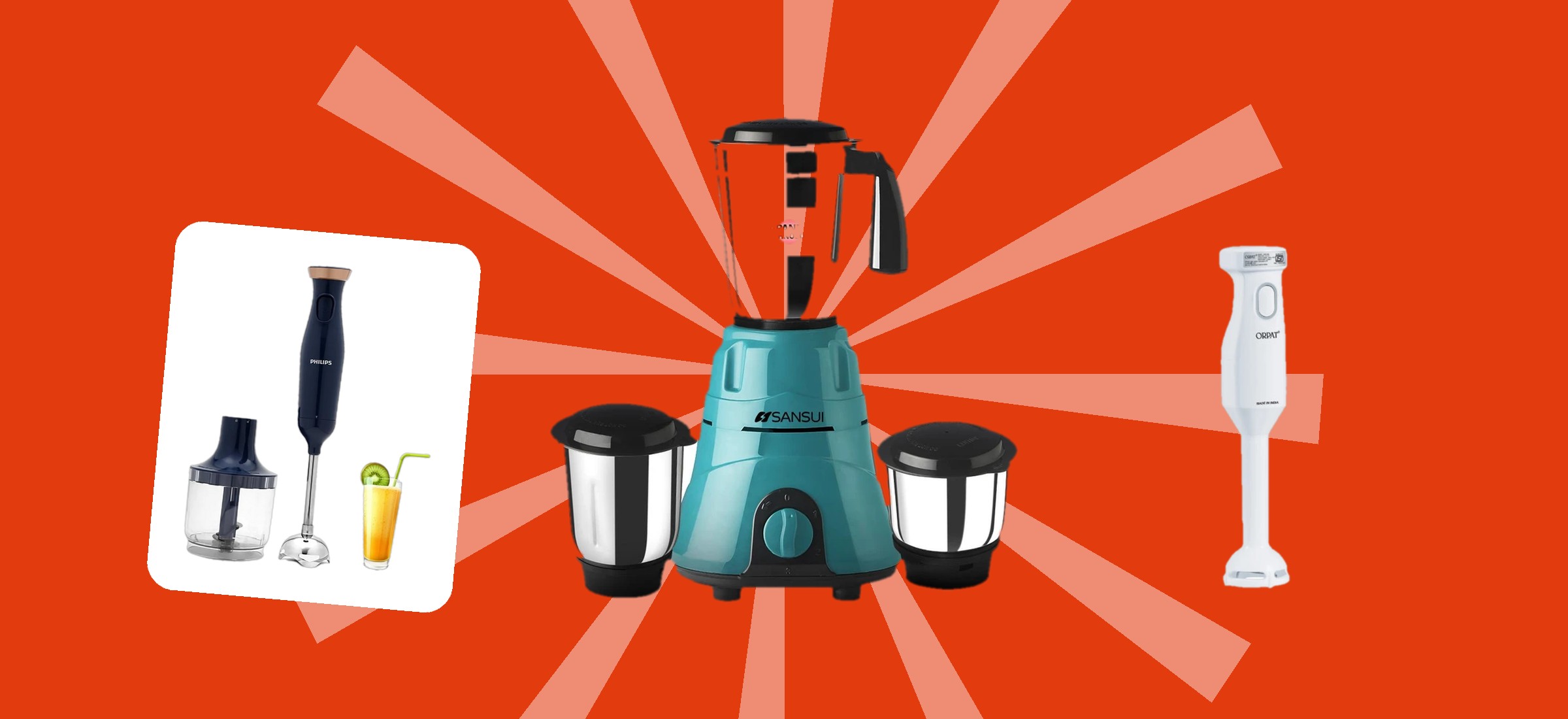
We read Flipkart's blending aisle on 18 September 2026 and seated the 25 listings that state a wattage in their own titles, Rs. 148 to Rs. 3,990. Wattage is the number this category sells on and it does not price: five mixer grinders here all state 500 watts and cost Rs. 1,328, Rs. 1,355, Rs. 1,549, Rs. 2,099 and Rs. 3,945, a threefold spread at an identical published specification. Priced per 100 stated watts the page runs from Rs. 30 to Rs. 2,217. At the bottom, a Rs. 148 listing claims 500 watts - more than the Rs. 2,199 Philips claims at 300. And six listings state 50 watts while calling themselves both a hand blender and an electric whisk, which is the commonest way to buy the wrong appliance here. The badges track distribution exactly: Orpat claims 14 per cent, Philips 20, and the marketplace labels 82 and 85.
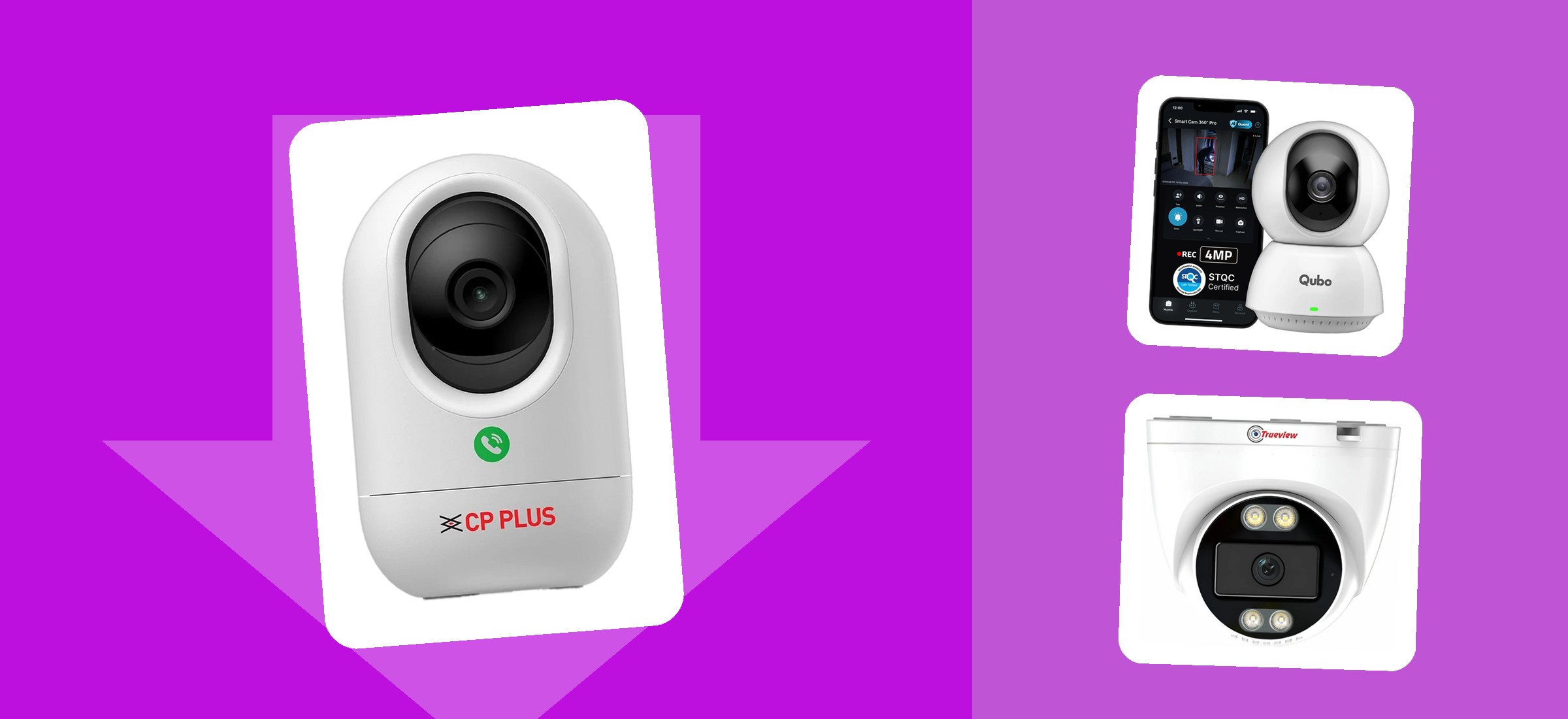
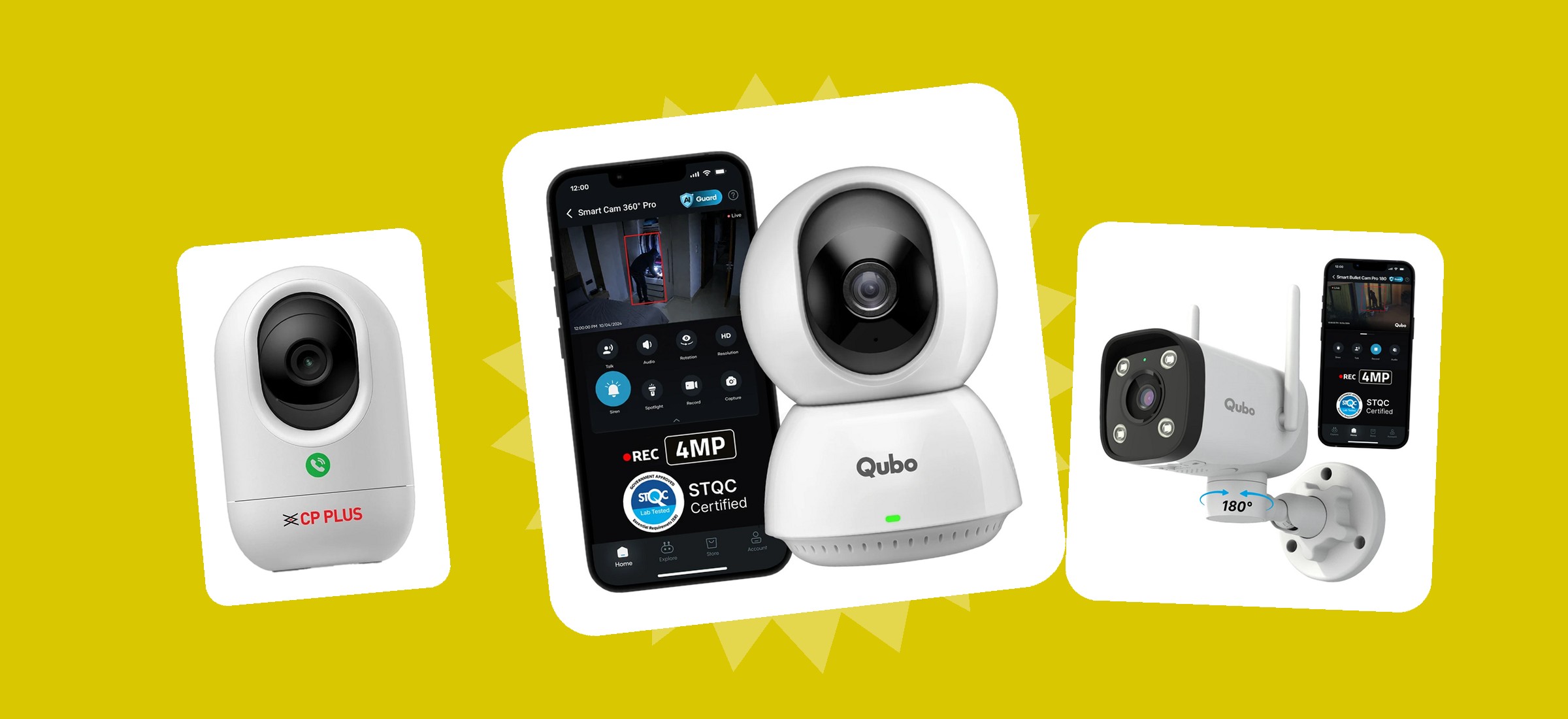
We read Flipkart's cctv camera and video doorbell listings on 17 September 2026. Forty-nine came back carrying both a checkout price and a stated MRP; 22 are seated here, Rs. 378 to Rs. 11,911, after removing every covert and hidden-camera listing on the shelf. Most of these listings publish a sensor figure in their own titles, so we priced each one per stated megapixel: it runs from Rs. 298 on a dual-lens outdoor camera to Rs. 5,498 on a 1MP doorbell. The discount badge, meanwhile, tracks nothing about value and everything about distribution. CP PLUS, which sells through dealers who would be undercut by an invented list price, claims 7, 15, 17, 21 and 28 per cent across its five listings. The marketplace-only labels claim 53 to 84. The single largest claim in the read - 84 per cent off a stated Rs. 20,000 - sits on a doorbell with no published ratings at all, and five of the six doorbells here publish none.
Open Box Delivery is Flipkart's fix for the substituted-carton problem: the agent opens the package at your door and you share an OTP to complete the delivery. We read Flipkart's Terms of Use on 17 September 2026 and found the half of that bargain most buyers miss. Returns for “missing items, damaged product, or wrong product”“will not be accepted if it is an Open Box Delivery order”, and the document instructs buyers to “verify the product before sharing OTP”. The OTP is the acceptance, and it replaces the seven-day window a normal order carries. A genuinely defective product is still covered by a separate route. You are also paying for the check: the Protect Promise Fee covers “Open box delivery verification” and is the only order fee that is fully refundable. Every quotation here is Flipkart's own wording.
A Flipkart Gift Card is not a Flipkart account balance. We read Flipkart's Terms of Use on 17 September 2026, including the gift card FAQ and terms published inside it, and the two facts that matter most are not printed on the card. The cards “are issued by Qwikcilver Solutions Pvt. Ltd. … authorized by the Reserve Bank of India”, and “all Flipkart Gift Cards expire 1 year from the date of their creation” — from creation, not from the day the recipient opens the email. They cannot buy other gift cards, Flipkart First subscriptions or bulk orders; they can only be bought with a card or net banking; a shortfall cannot be settled cash on delivery; and cancelling an order credits the refund back to the gift card, which is still running the same one-year clock. Every quotation here is Flipkart's own wording.
Over two days in September 2026 we read 360 listings across six shelves on five Indian shopping platforms and recorded what each one published as a rating. The averages looked alike everywhere; the counts did not. The median listing carried 3,155 ratings on Flipkart and eleven on Tata CLiQ, and both are displayed in exactly the same way. The reason is that no two platforms count the same thing: Amazon and Flipkart pool ratings across a product's variations, Myntra pools across a whole style family - two different shirts at Rs. 495 both showed 227,002 ratings - and Croma and Tata CLiQ list colourways separately, so one Logitech combo appeared four times with three ratings between the four. Here is what the number beside the stars is actually counting, and the five checks that make it usable.
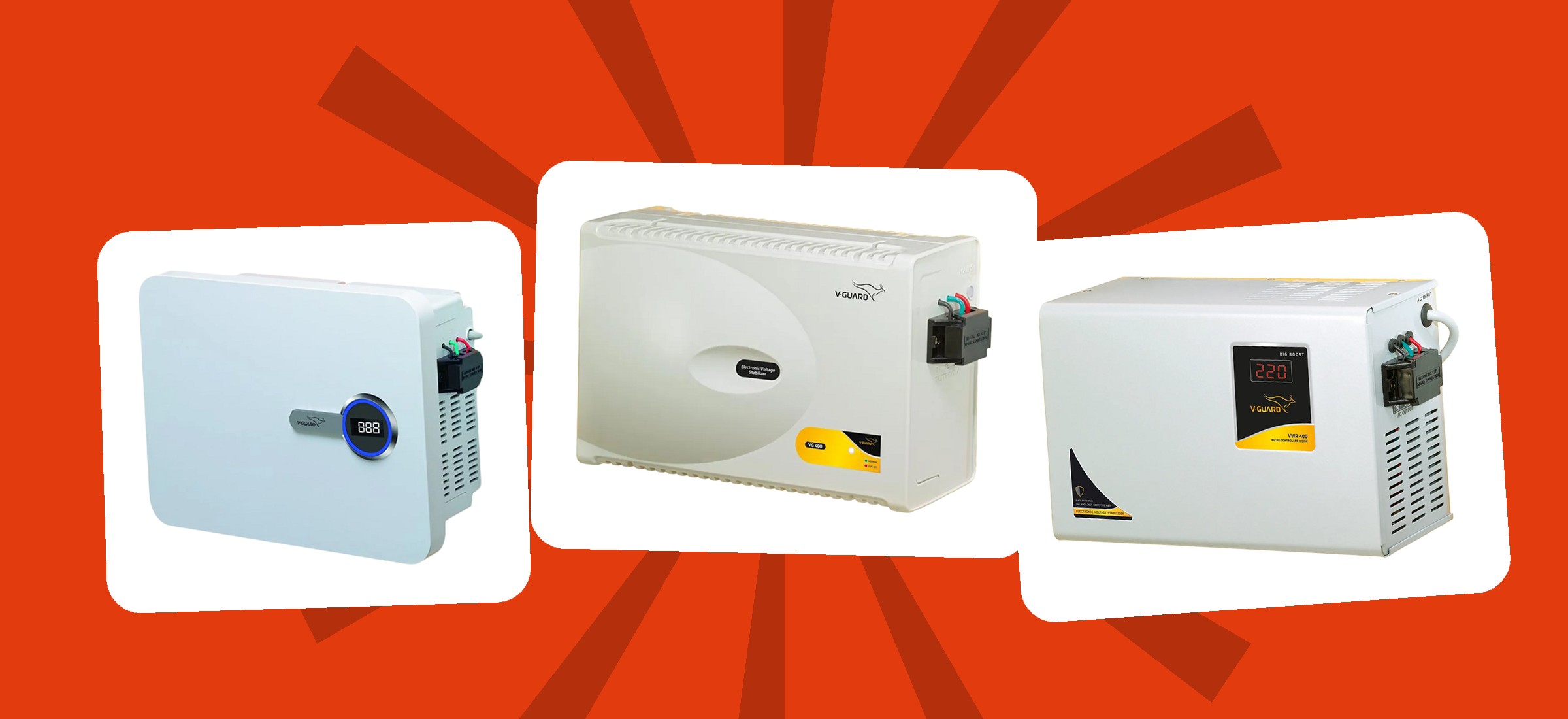
We read 25 voltage stabilizer listings on croma.com on 15 September 2026 and tested the number everyone shops by. The amps rating does not predict the price — across the 22 listings that state both, the correlation is -0.08, which is no relationship at all. The cheapest 15 Amps unit here is Rs. 1,414; the dearest 6 Amps unit is Rs. 5,389. What does explain the shelf is the working voltage window printed in the brackets everybody skips: window width against price correlates at +0.71. Seven 12 Amps units for the same 1.5-ton air conditioner sell between Rs. 1,999 and Rs. 4,574. And the two listings Croma discounts by exactly one rupee are both wide-window boxes.
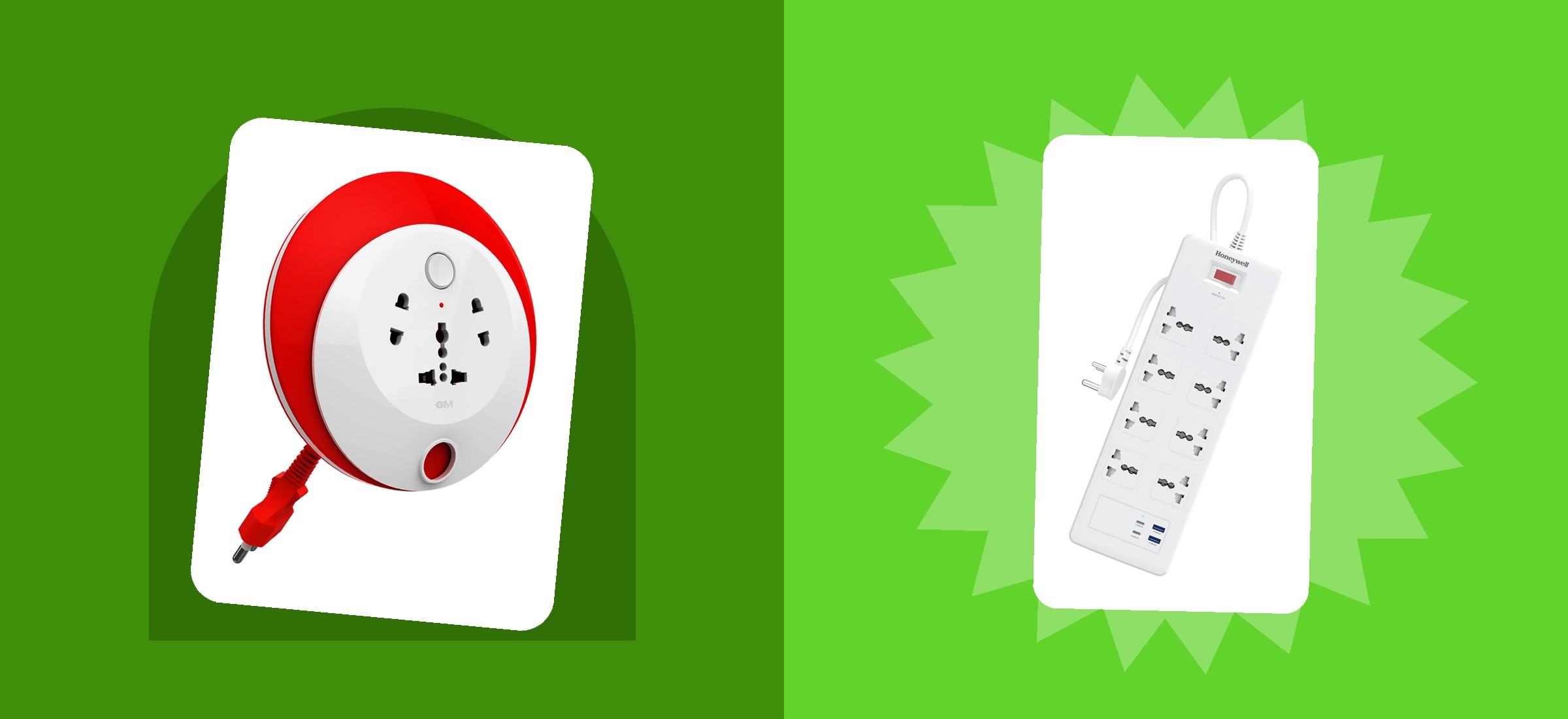
We read 23 extension board and surge protector listings on croma.com on 15 September 2026, and the first problem is the titles. The word 'Amps' means two different things on this one shelf: a load rating on the boards (6 Amps, 10 Amps) and a surge capacity on the seven Honeywell units (7,500 up to 36,000 Amps). Sorting the aisle by that number compares quantities that are not comparable. Divide by socket count instead and a socket costs Rs. 99.67 to Rs. 742.25, a 7.4x spread. Belkin's four sizes get cheaper per socket at every step; Croma's own range runs backwards. And every one of the seven Honeywells — the dearest chapter here — has no rating count at all.
We read Flipkart's Terms of Use on 15 September 2026 — about 150,000 characters of it — to answer one question: who are you actually buying from? Flipkart's own answer is that it is not a party to the transaction, never takes possession of the goods and never gains title to them, and acts as an ‘intermediary’. The seller sets the price, the shipping cost, the delivery date, the warranty and the after-sales service — and “all discounts, offers (including exchange offers) are by the Seller/Brand and not by Flipkart”. The document also contradicts itself usefully on mediation, and contains a three-day deadline that settles an ignored refund request in the buyer's favour. Every quotation here is Flipkart's own wording.